



Can you really weld sheet metal? Of course, you can! Sheet metal welding is one of the essential skills in many fields. You could either use it for auto repair and custom car body work or you can create intricate metal art. Once you master this technique, endless applications will be available to you.
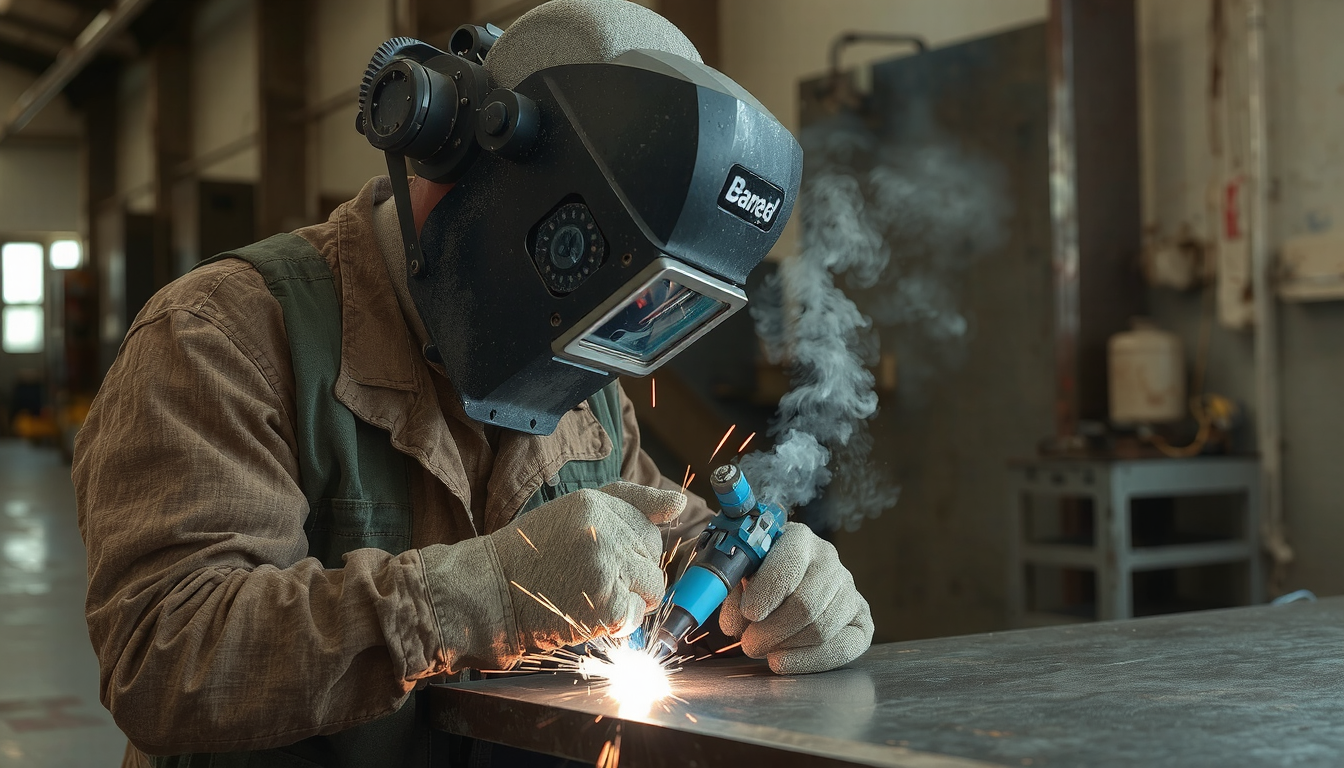
Joinery of thin sheet metal is not the same as performing a heavy construction in steel plates. The complexity lies in controlling the heat. Unlike regular metals, sheet metal gets heated up pretty quick. This rapid soldering can be problematic if you are not careful. Though, armed with sufficient information and continuous practice, expected results can be achieved.
We are going to explore various joining techniques for sheet metal. We will help you make the correct choice based on your needs. In addition to that, we will be providing some key safety measures. Moreover, we will explain to you the ways we guide and fix the troubleshooting issues. This is a high-level skill and is part of what we learn and apply at Mekalit.
Acknowledging The Main Problem
The focus of welding thin metal comes down to heat management. A flat thin metal sheet cannot stop heating and melting faster when compared to thicker pieces of metal. This is the main reason it creates most of the problems for a newcomer to welding.
Among the most challenging hazards to face is a burn-through. It occurs when the welding arc is too hot or runs too slowly. It punches a hole through the base metal. This can happen easily while working with sheet metal since it has less mass to draw away the heat.
Another often-seen problem is warping or distortion. Heating one tiny area of the sheet a lot causes it to expand. And while cooling it contracts. This size difference causes a flat panel to bend or buckle, or even twist. Knowing this will help you take preventive measures.
The following are some of the major challenges:
- Burn-Through: The creation of holes in the metal due to excessive melting.
- Warping: The flat piece getting bent due to too much heat.
- Difficult Fit-Up: Tiny gaps between panels turning into significant issues.
Comparing Welding Methods for Joining Thin Metal
Three of the most used processes for joining thin metal sheets are MIG, TIG, and Spot Welding. Your choice of the best process depends on the project at hand, the available budget, and your skill level.
MIG welding is often the most suitable for new learners. TIG welding brings about fantastic control of the processes but requires much time for practice. The Spot welding is a unique process. It is mainly used for quick joinings of an overlapping sheet.
To simplify the comparison between the methods, here is a table. This table shows what each method fits best. It shows how hard it is to learn. It tells the possible price and quality you should expect.
| Welding Method | Best For… | Ease of Learning | Cost of Entry | Finish Quality |
|---|---|---|---|---|
| MIG (GMAW) | Speed, longer welds, auto body, thicker sheet metal (18-24 gauge) | Easiest for beginners | Mäßig | Good, but requires cleanup |
| TIG (GTAW) | Precision, control, aesthetics, very thin metal, aluminum | Difficult, requires practice | Hoch | Excellent, clean welds |
| Spot Welding | Joining overlapping sheets in high volume, non-structural | Easy for its specific task | Varies (Low to High) | Functional, not aesthetic |
Selecting The Adapted Equipment For Your Tasks
It is not sufficient to just be informed about the applications of various alternative methods. A better aspect remains to be able to select the one that will complete your project in the most effective way. Let’s check where you may find practical situations that will help you make a decision.
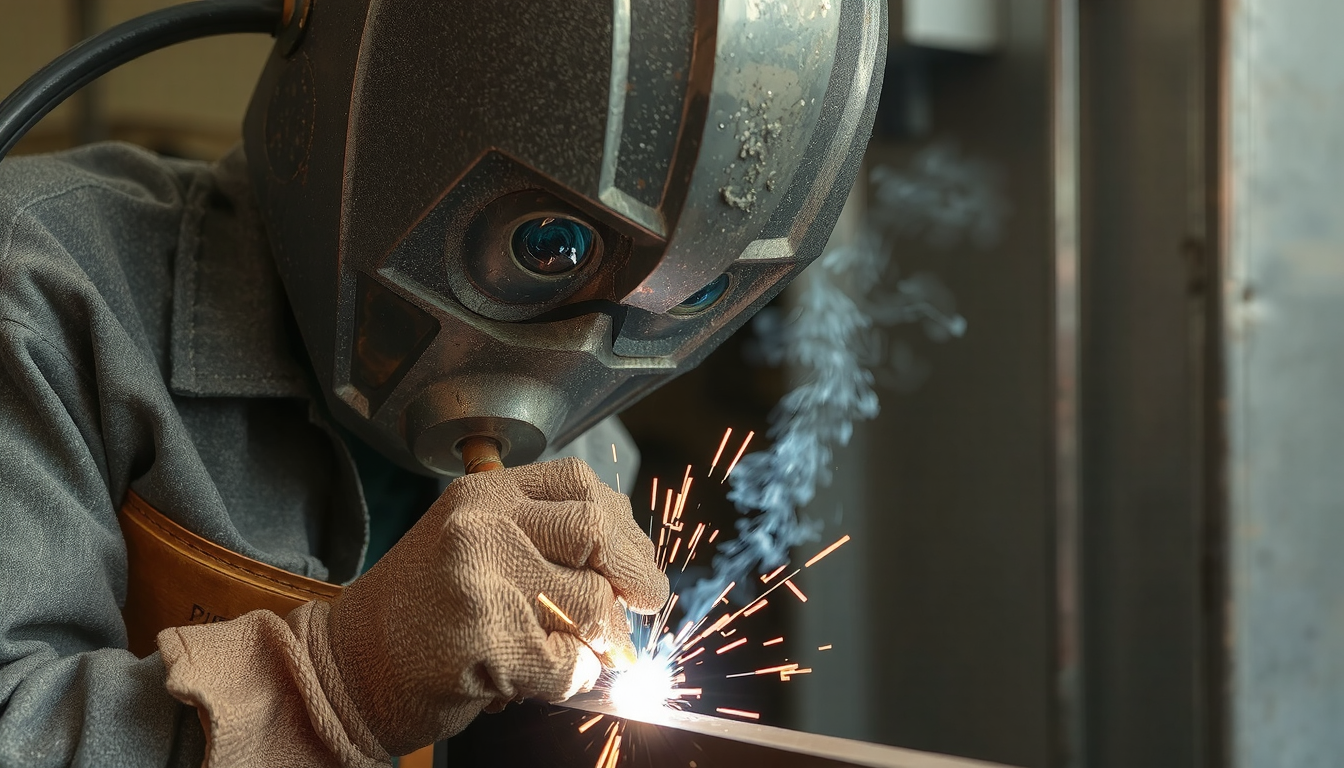
Are you a total newcomer without much cash to invest?
If so, MIG welding is the most reasonable choice. Compared to TIG welding, MIG welders are much easier to learn. The welds you will make will be of better quality and in a shorter time. It implies less overall heat input to the panel.
The MIG setup is generally cheaper than that of TIG equipment. You might find some extremely low-cost flux core welding machines on the market. Although they don’t use shielding gas, they are hotter and create a lot of spatter. As such, they are hardly used on thin sheets without burning through. We recommend using a conventional MIG welder with shielding gas at the start.
Do you want perfect and excellent welds?
To achieve excellent welds that look smooth and pretty, use the TIG process. This process gives you precision over the heat and weld puddle. You manipulate the strength of the current through a foot pedal. It is similar to a car’s gas pedal in function.
This feature lets you make very tiny, precise, and clean welds with no spatter. The only downside is that the process is slow. Besides, you will have to practice a lot to coordinate well at this process. The machine also comes at a higher price. However, if the aesthetics are the primary concern, the TIG process is the one you want.
Will you be working with aluminum sheet metal?
If you need to use aluminum, TIG is typically the best method. The TIG welders that have AC function are able to clean the oxide layer which is hard to remove. It ensures that the metallic oxide is completely removed, and this way you get strong, clean welds.
You can also use a MIG welder to weld aluminum. However, this will require a special accessory known as a spool gun. The spool gun carries the soft aluminum wire feed tube in a straight line so that it doesn’t entangle. MIG welding aluminum is extremely tough in the case of a beginner.
Is your project high-volume and repetitive?
If you are making many identical parts, spot welding is perfect. You need to join two overlapping pieces of sheet metal. This is how car manufacturers join many of their body panels. A spot welder pinches the metal between two copper tips. It passes a high current through it. This fuses the sheets together in a single spot. It is very fast but only works for this specific type of joint.
Step by Step Process Guide
Ready to try welding? Following the right process is the best way to do teaching, especially when learning to weld sheet metal. A good beginning is half of the victory. This is a frequently occurring subject in most manuals like The Beginner’s Guide to Welding Sheet Metal.
Step 1: Be Safe First of ALL!
Welding results in a lot of heat, ultraviolet rays, and fumes. It is a must to be safe. Make sure you have the required gear on before you strike the arc.
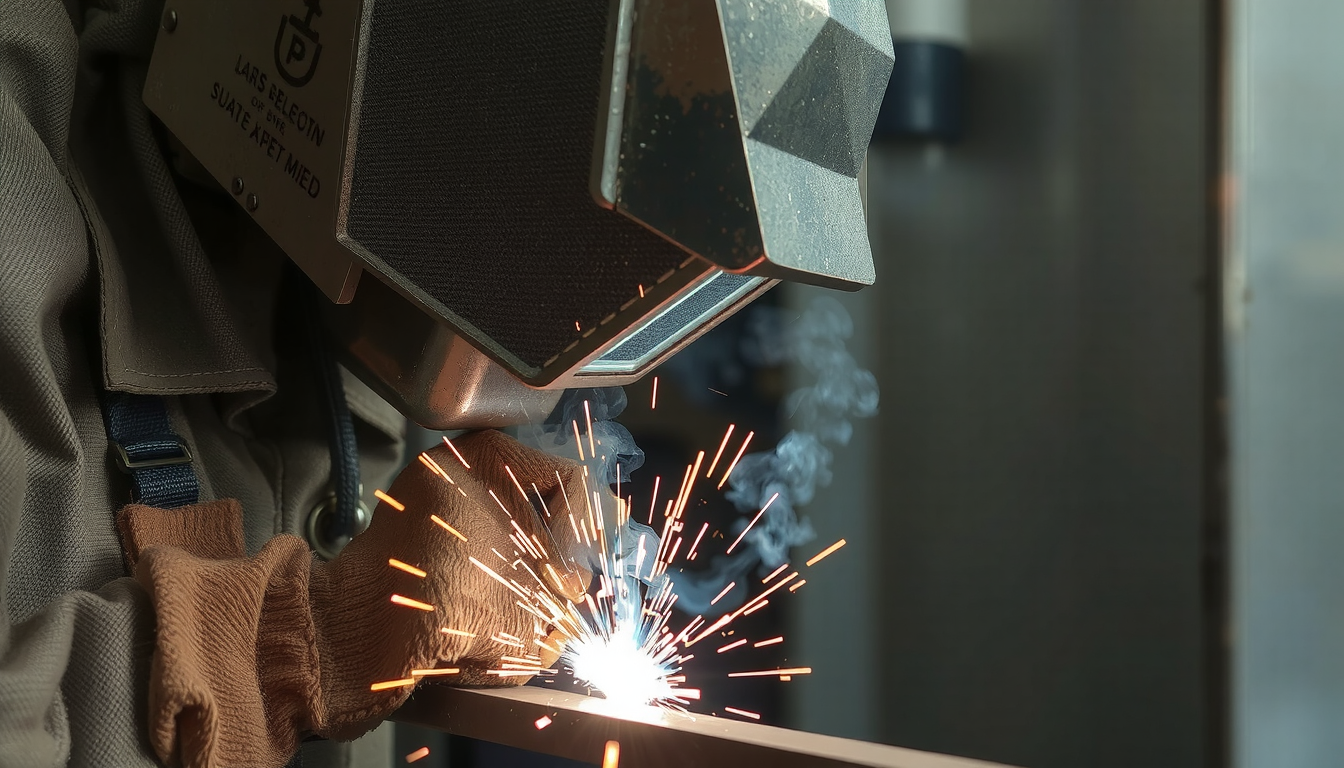
- An auto-darkening welding helmet to protect your eyes.
- A fire-resistant welding jacket or sleeves made from leather or cotton.
- Thick leather welding gloves.
- Good ventilation to remove fumes. This is especially important if working on coated metals.
- A fire extinguisher within arm’s reach.
Step 2: Prepare Your Metal
Proper preparation is the secret to good welds. You cannot get a strong, clean weld on dirty metal. Use a wire wheel or a flap disc on an angle grinder to clean the joint area. You need to remove all paint, rust, oil, and any other coatings. The metal should be bright and shiny where you plan to weld.
Next, focus on the fit-up. Aim for a zero-gap fit. If you can slide a piece of paper through the gap between your panels, it’s too wide. You’ll spend more time filling that gap than joining the panels. This extra time adds more heat. This leads to more warping.
Step 3: Set Up Your Welder
Your welder should have a chart inside the wire feed door with recommended settings. This is a great starting point. For thin sheet metal, you will always use the lower end of the settings.
As a general rule for 22-gauge mild steel, you might start with a lower voltage and wire speed for MIG. For TIG, you would use a low amperage, around 30-40 amps.
You also need to use the right size wire. For MIG welding thin material, a thin wire like 0.023″ is best. It requires less energy to melt. This helps you control the heat and avoid blowing holes.
Step 4: The Art of the Tack Weld
Do not try to weld a long seam all at once. This puts too much heat into one area. It will cause massive warping. Instead, you will stitch the panel together with a series of small tack welds.
Place a small tack weld at one end of the seam. Then move to the opposite end and place another tack. Then tack the middle. Continue adding tacks between the existing ones. Do this until the entire seam is held in place by small welds spaced an inch or two apart. This is a key technique when you weld sheet metal.
Step 5: Running Short Beads
Once the panel is tacked securely, you can begin filling in the spaces between the tacks. Again, do not weld in one continuous line. Use a “skip welding” technique.
Weld a short section, about an inch long. Then, move to a completely different part of the panel and weld another short section. This spreads the heat around. It gives each weld time to cool down.
Move quickly and with purpose. For MIG, use a series of quick ‘trigger pulls’ to create a stitch-like weld. Don’t hold the trigger down. For TIG, ‘dabbing’ the filler rod into the tiny weld puddle is a precise art. It adds metal without adding too much heat. This control is why many experts prefer TIG when they weld sheet metal.
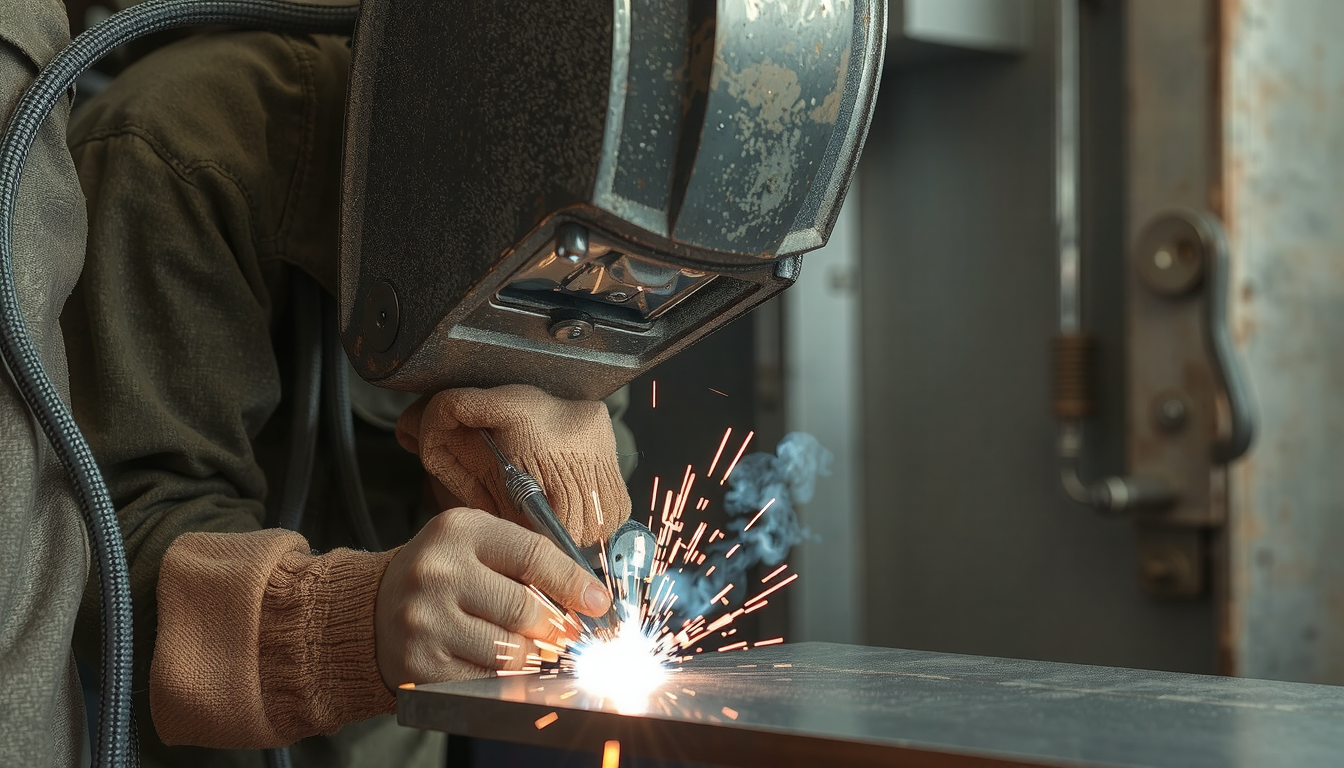
Addressing Common Welding Problems
Even though you prepare properly, welding troubles are inevitable. Learning to find and fix these issues is part of the experience. This section illustrates the typical problems.
| Problem | Häufige Ursachen | How to Fix It |
|---|---|---|
| Blowing Holes (Burn-Through) | – Heat setting is too high. – Travel speed is too slow. – Gap between panels is too large. |
– Lower your heat setting. – Increase your travel speed. – Use a series of quick tack welds instead of a continuous bead. – Ensure a tight fit-up before starting. |
| Warping / Distortion | – Too much heat in one area. – Welding in one continuous line. – Not clamping the workpiece securely. |
– Use the “skip welding” technique: weld a small section, move to a different area, let it cool. – Clamp the panel to a flat, heavy piece of steel to act as a heat sink. – Use tack welds to hold the panel in place before final welding. |
| Tall, Ropey Welds | – Travel speed is too slow. – Wire feed speed (MIG) is too high for your voltage. |
– Increase your travel speed. – Adjust your wire feed speed and voltage to get a flatter bead. Listen for the “sizzling bacon” sound. |
| Porous, Weak Welds | – Poor shielding gas coverage. – Metal is dirty (paint, rust, oil). |
– Check your gas flow rate. – Block drafts or wind if welding outdoors. – Thoroughly clean your base metal until it is shiny. |
By mastering these quick fixes, your path towards competency will become wider. It will enable you to deliver immediately quality outcomes in various techniques required by this fabrication type.
When to DIY vs. When to Call a Professional
Knowing when to, as well as not, is as important as knowing how to weld. So, at what point is it appropriate to carry out a project yourself? When is it better to call an expert?
Do It Yourself is good for:
- Patching rust sections on non-structural vehicle parts such as fenders or doors.
- Creation of metal art and sculptures.
- Building shop furniture or brackets.
- Practicing on scrap metal to build your skills.
A professional is the right person for:
- Welding overhead on structural parts of a vehicle such as frame rails or suspension mounts.
- Projects requiring certified welds for safety or legal reasons.
- Big or precision jobs where controlling distortion is extremely important.
For projects that require guaranteed quality and strength, professional Blechfertigung services come with the right equipment and certified welders. In some cases, projects may need to get done by other processes like CNC-Drehmaschinen-Dienstleistungen before welding can be started.
The End: Your Journey in Welding Sheet Metal
Thus, can you weld sheet metal? Yes, you have the ability to do so. The voyage from a beginner to a master welder is forged through practice. You are expected to demonstrate your grasp of key lessons about the basics. The primary lesson is to handle heat.
Start with scrap metal. Test your settings. Practice your travel speed. Learn what a good weld looks and sounds like. Don’t be afraid to make mistakes. Every bad weld teaches you something.
With patience, you will find that welding thin metal is an incredibly useful and rewarding skill. It gives you the power to repair, create, and build things from metal with your own two hands.
Frequently Asked Questions (FAQ)
What is the thinnest sheet metal you can weld?
This depends on the welding process and your skill level. A highly skilled welder using a TIG machine can work on material as thin as 24-gauge. For a beginner using a MIG welder, 22-gauge is a more realistic starting point. Anything thinner is extremely difficult. It requires excellent heat control.
Can I weld sheet metal with a cheap flux-core welder?
While it is technically possible, it is very difficult. It’s not recommended for beginners. Flux-core welding runs hotter than MIG welding with shielding gas. It creates more spatter. This greatly increases the risk of burn-through on thin metal. For auto body work or projects where appearance matters, a MIG welder is a much better choice.
How do I weld thin sheet metal to a thick piece of metal?
The key is to focus most of your heat on the thicker piece. Angle your torch more towards the thick material. Start your weld puddle on the thick metal. Once it’s established, quickly move the puddle over to the edge of the thin sheet to fuse them together. Move quickly to avoid overheating the thin metal.
Do I need to push or pull the torch when MIG welding sheet metal?
For MIG welding thin material, a “push” angle is generally preferred. Pushing the torch away from the finished weld creates a wider, flatter bead. It gives you a better view of the weld puddle. It also tends to put less heat into the metal. A “pull” angle can sometimes be used to fill a larger gap. But pushing is the standard technique for flat sheet metal seams.
Why does my aluminum sheet metal weld look dirty and black?
This is almost always caused by the aluminum oxide layer. Aluminum instantly forms a tough, transparent oxide layer. This has a much higher melting point than the aluminum itself. TIG welding with AC power is designed to “clean” this oxide layer off as you weld. If using MIG, your base metal must be perfectly clean. Use a dedicated stainless steel brush on the aluminum right before you start welding.
