



While looking for a very thin sheet of metal, you discover a wide range of material options. These products can be anything from heavy-duty industrial parts to fractal decorative films. Their designations can confuse you. People usually have a hard time with terms such as foil, leaf, and shim. Of course, everything will be demystified with the help of this guide. You will learn about the different thin metals and their applications. Additionally, we will help you learn to choose the most appropriate metal type for your task.
What Is a Very Thin Sheet of Metal?
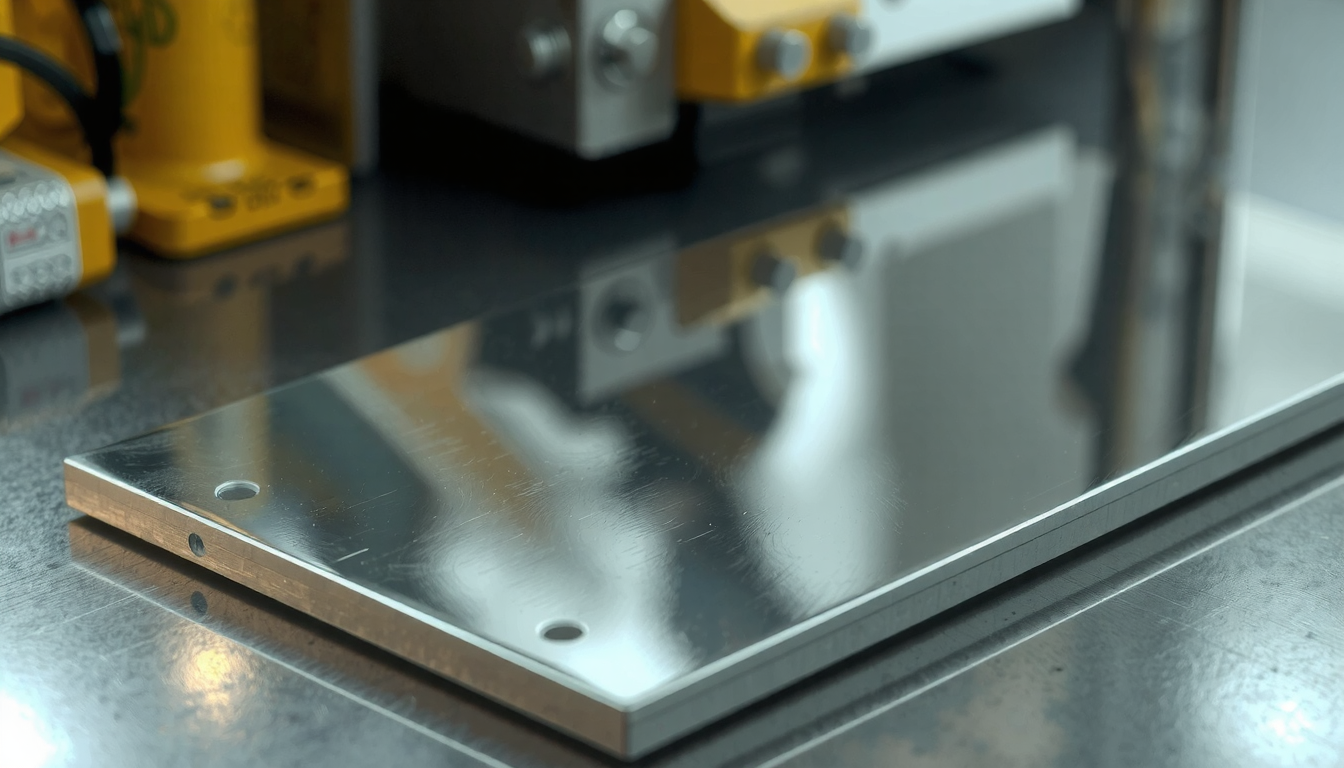
A very thin sheet of metal can be defined as a plate made of metal that is very slim. The form of metal has undergone a rolling or hammering process. The level of thinness is generally the basis on which we demonstrate the metal. It also determines which ways it can be utilized. Thin sheets are present in diverse applications. They range from high-tech machine components to gorgeous craft items. The first step toward metal sheet selection is knowing the most popular kinds.
- Shim Stock/Metal Sheet: This type of the three has the greatest thickness. The unit of measurement could be inches or millimeters. It is the best choice for constructions and machinery. For accuracy, you can use it for projects that need tightness and a precise fit.
- Metal Foil: This is thinner than a sheet. There is no rigidity of foil. You have the flexibility of bending it by hand. It is a general household item and at the same time also used for various craft items. Moreover, it can be used in electronics. It can be a good barrier or conductive surface.
- Metal Leaf: This is the lightest form of metal that exists in the universe. It is as light as a piece of delicately made tissue. The metal leaf is applied to objects for decoration only. In this case, the process we use is called gilding. However, the true leaf metal can be paled by hammering it with a solid iron hammer. The leaf can measure 0.2-0.3 micrometers if it is just a micrometer thick and one-millionth of a meter is a micrometer.
A Head-To-Head Comparison: Sheet vs. Foil vs. Leaf
Knowing the key differences is important for selecting the right material. The table below compares the three main types of very thin metal sheets. It is a good way to view the relation of thickness, material, and use.
| Charakteristisch | Thin Metal Sheet (Shim Stock) | Metal Foil | Metal Leaf |
|---|---|---|---|
| Typical Thickness | 0.001 to 0.25 inches (0.025 to 6 mm) | 0.00017 to 0.007 inches (0.004 to 0.18 mm) | Less than 0.00001 inches (< 0.5 micrometers) |
| Allgemeine Materialien | Stainless Steel, Carbon Steel, Aluminum, Brass, Copper | Aluminum, Copper, Tin, Gold, Transfer Foils (metallic coating on plastic) | Genuine Gold, Silver, Copper, Imitation Gold (Brass Alloy), Aluminum |
| Production Method | Cold rolling large coils to a precise thickness. | Rolling metal under high pressure to make it very thin. | Beating or hammering a small piece of metal between layers of material until it is incredibly thin. |
| Flexibilität | Stiff to somewhat flexible, depending on thickness. | Very flexible, easily folded and creased by hand. | Extremely delicate and fragile. It will tear easily and can float in the air. |
| Primäre Anwendungen | Spacers (shims), gaskets, springs, custom machine parts. | Food packaging, electronics (shielding), insulation, stained glass work, crafts. | Gilding, art, decoration on frames, furniture, and signs. |
| Handling Notes | Can have sharp edges. Requires tools like tin snips to cut. | Can be cut with scissors. Some foils, like Metallic Foil vs Metal Leaf – The Printed Fabric Bee, come on a plastic carrier for easy transfer. | Requires special tools like a gilder’s brush. Must be handled in a draft-free area. Oil from fingers will ruin it. |
Discovering the Very Thin Metal Sheets Types
Once you are aware of the major groups, you can go after some specific metals. Each metal arrives with certain characteristics. These features are the reason for using it in specific assignments.
Industrial Thin Sheets and Shims
Industrial sheets are also known as shim stock. They are all about performance. People choose them for strength and exact dimensions. They also resist wear well.

- Stainless Steel: This metal is strong. It resists rust and stains. It is perfect for food equipment and outdoor parts. Medical tools also use it.
- Aluminum: Aluminum is very light and easy to form. You will find it in aircraft skins and heat sinks. It is also used for car body panels.
- Copper & Brass: These metals conduct electricity and heat well. Copper is used in electrical contacts and wiring. Brass is a mix of copper and zinc. It is used for plumbing and decorative hardware.
- Carbon Steel (Cold Rolled): This is a basic, strong steel with a smooth surface. It works well for general parts that will be painted. Car panels and toolboxes often use it.
Versatile Metal Foils
Metal foils have many uses. They work in homes and high-tech labs. They are much more flexible than a typical very thin sheet of metal used for structure.
- Aluminum Foil: This is the most famous foil. We use it to wrap food. But it is also used in construction as a vapor barrier. Electronics use it to block electrical interference.
- Copper Foil: This often comes with a sticky back. Copper foil is essential for electronics. People use it to repair circuit boards. It creates paths for electricity. Stained glass artists also use it to join glass pieces.
- Transfer Foils: These are not solid metal. They are a thin metallic layer on clear plastic. You use heat or glue to transfer the design. It goes onto paper, fabric, or other surfaces.
Decorative Metal Leaf
Metal leaf adds a beautiful metallic finish. It is the most delicate form of a very thin sheet of metal. You must apply it to a surface with special glue called size.
- Genuine Gold Leaf: This is real gold beaten into a thin film. It comes in different purities called karats. It will not tarnish or fade. You can learn about the different types of gold and metal leaf – Gilded Planet. This includes loose leaf for delicate work and patent leaf for easier handling.
- Imitation Leaf (Composition Leaf): This looks like gold but is made from brass alloy. Brass is copper and zinc mixed together. It is much cheaper than real gold. But it will tarnish over time. You must seal it with a clear coat to protect it.
- Silver & Aluminum Leaf: Genuine silver leaf gives a brilliant shine. But it will also tarnish. Aluminum leaf is a common substitute. It looks like silver but does not tarnish.
Common Applications: From High-Tech Industry to DIY Crafts
A very thin sheet of metal has numerous applications. They can be soft and flexible, or tough and rigid as needed.
Industrial and Commercial Uses

In the industry, precision and reliability are the main concerns. Thin metals are used to make parts that are light, strong, and very precise.
- Aerospace & Automotive: Used for aircraft skins and engine gaskets. Also used for shims for spacing and heat shields.
- Elektronik: Creates shielding to block radio waves. Makes electronic enclosures and battery contacts. Also creates heat sinks.
- Medizinisch: Forms components for medical devices. Makes sterile foil packaging that keeps tools safe.
- Manufacturing: Custom parts and prototypes often start with thin metal. Professional Blechfertigung services are vital. They cut, bend, and shape a very thin sheet of metal to precise designs.
- Advanced Components: Sheets create housings and panels. Some internal parts need different methods. Custom round parts might use CNC-Drehmaschinen-Dienstleistungen. This helps them match fabricated sheet metal components perfectly.
Creative & DIY Projects
For hobbyists and artists, thin metals offer a unique touch. They are easy to find and use.
- Arts & Crafts: Gilding picture frames with metal leaf. Making small sculptures. Adding metallic elements to paintings.
- Model Making: Adding realistic metal details to model cars and airplanes. Also used for buildings. A thin aluminum sheet can look just like a real car panel.
- Home Décor: Creating custom kitchen backsplashes and unique light fixtures. Making embossed decorative panels. Crafters can easily find pre-cut sizes for projects at major retailers. You can find many Thin Metal Sheets for Home Improvement Crafting… online or in stores.
How to Choose the Right Thin Metal Sheet for Your Project
With so many options, picking the right material can seem hard. Ask yourself these three questions. They will help you find the perfect very thin sheet of metal for your needs.
Consideration 1: What is the primary function?
Is your project for looks, structure, or electrical use? The answer will guide your choice.
- If Structural… you need strength. Choose a thicker gauge steel or aluminum sheet. These can support weight and resist bending.
- If Decorative… you care about appearance. Choose metal leaf for a brilliant, high-end finish. You can also pick colored foils for fun, modern designs.
- If Electrical… you need conductivity. Copper foil is the best choice for most circuits. Aluminum foil can also work for shielding.

Consideration 2: What environment will it be in?
Where will your finished project live? The surroundings can damage some metals.
- Indoors/Dry… you have many choices. Imitation leaf or plain carbon steel work fine. They just need to stay dry.
- Outdoors/Wet… you must prevent rust. Stainless steel, aluminum, or genuine gold leaf are excellent choices. If you use imitation leaf or steel, they must be sealed completely.
Consideration 3: How will you work with it?
Think about the tools you have. Think about the skills you need. Some thin metals are easier to shape than others.
- Hand-cutting/shaping… choose soft, thin materials. Aluminum foil, copper foil, and thin craft sheets are easy to cut. You can use scissors or a utility knife.
- Requires welding/machining… you need a sturdy material. Use steel or thicker aluminum sheets. These can handle the heat and force of power tools.
Pro Tip: Be warned, genuine metal leaf is incredibly delicate. Work in a draft-free room. Even a sigh can send it flying. Use a special gilder’s tip brush. It uses static electricity to pick it up. Touching it with your fingers will likely tear it. It will also leave oils behind, which ruin the finish.
Conclusion: Your Next Steps with Thin Metal Sheets
We have covered the three main categories. These are strong metal sheets and shims, flexible metal foils, and delicate metal leaf. Each type of very thin sheet of metal has a purpose. The right choice always depends on your specific project. This is true whether it is for industry or art.
You might be gilding a picture frame or building a new device. Understanding the properties of a very thin sheet of metal is the first step to success. For professional projects that need exact cuts, explore expert forming. For reliable quality, check out the full range of capabilities at Mekalit.
Frequently Asked Questions (FAQ)
What is the thinnest sheet of metal you can buy?
This depends on the type. For industrial use, shim stock can be as thin as 0.001 inches. For decoration, metal leaf is the thinnest material available. It is often less than a single micrometer thick. This is thinner than a spider’s web.
How do you cut a very thin sheet of metal at home?
For foils and thin sheets, heavy-duty scissors or tin snips work well. This works for 28 gauge or higher. Metal leaf is not cut with scissors. It is laid on a special pad and cut with a gilder’s knife. Always wear gloves to protect your hands from sharp edges.
Is “tin foil” actually made of tin?
Not anymore. Early foils were made from tin. Today, what we call “tin foil” is almost always made from aluminum. Aluminum is cheaper and easier to shape. It also does not add a metallic taste to food.
Can you solder a very thin sheet of metal?
It depends on the metal and thickness. Copper foil, like that used for stained glass, is made to be soldered. Thin steel or brass sheets can also be soldered. But it takes skill to avoid melting the metal. Aluminum is very hard to solder without special tools and chemicals.
What’s the difference between gauge and thickness?
Gauge is a number system used to measure sheet metal thickness. It can be confusing because a higher gauge number means a thinner sheet of metal. For example, 24 gauge steel is thinner than 16 gauge steel. Always check a conversion chart. The gauge scale is different for steel versus other metals like aluminum.
