



So what is sheet metal work? It’s a process of making products directly from flat pieces of metal. Workers take these sheets and give them the form they need to get products. This is for sure a list of factory processes and a skilled person job. You see these everywhere this flow of work. Your car and kitchen sink are a couple of examples.
Cutting, bending and assembling metal sheets is the process. Out of them, a shape is formed. The overall process is called Blechfertigung. It is, generally, responsible for the vast majority of the everyday products we use. The term refers to metal that has a certain height.
Usually, this means metal between 0.006 and 0.25 inches thick. Any metal that exceeds this measure is called “plate.” Plate requires other tools and operation methods. Gaining knowledge of sheet metal operations you realize how much of the everything around us is human construction.
From Digital Design to Physical Part
This time metal project goes from an idea to a real object. Besides just being a list of steps, it is a complete workflow. Let’s walk through the typical steps of this. The path of a digital idea becoming a physical part shows how this technology works. The example will be clear and straightforward.
Stage 1: Design and Planning
Every project begins with an electronic plan. Engineers and designers use Computer-Aided Design (CAD) software to generate a precise 2D or 3D model of the part that is to be manufactured. This digital file includes all the required information like dimensions, bend lines, and hole locations.
Then, the designer uses Computer-Aided Manufacturing (CAM) software to take over. It transforms the CAD design into machine-operable instructions. The making machines are capable of understanding these instructions. Furthermore, the design involves DFM which means the part is designed with the aim that it is cheap and easy to make. These considerations involve the type of material and the easiness of bending it.
Stage 2: The Three Pillars of Fabrication
This is the actual place where the change happens. The way a flat sheet metal goes to the part designed is through three main types of work involved. The workflow follows completely the basic process of sheet metal processing. We can detail this into cutting, forming, and joining.
-
Cutting: Creating the Flat Pattern
This is the first physical step. A sheet of material is cut off a larger sheet of metal, creating the flat shape, which will be often referred to as a “blank.” Once the 2D CAD file is loaded, the cutter’s software nests the parts. This makes the best use of material and cuts down on scrap. We are watching a beam or tool which is very powerful or precise doing his first cut. Common methods include:- Laser Cutting: Uses a focused laser beam for very precise cuts and complex shapes.
- Plasma Cutting: Uses a jet of hot plasma to cut thicker metals quickly.
- Waterjet Cutting: Uses a high-pressure stream of water to cut almost any material. This often mixes with an abrasive and doesn’t create heat.
- Shearing: Uses a blade to make long, straight cuts. This works like a large pair of scissors.
-
Forming: Shaping the Part
The flat blank not only is having but also gets a three-dimensional part. The scene where the skill of the operator is fully manifesting is at this point. Bending is the most widely used forming process.- Biegen: A press brake is a big machine that holds the metal in place and then applies a punch and die to create the exact angle or bend.
- Stamping: A stamping press creates die shapes, punches perforations, and forms the sheet quickly, thus, being a great way to make many parts.
- Rolling: A set of rollers curves long sheets of metal into cylinders or cones.
- Drawing: A punch pushes the sheet into a die cavity. The result is a deep, cup-like shape, like a sink.
-
Joining: Assembling the Pieces
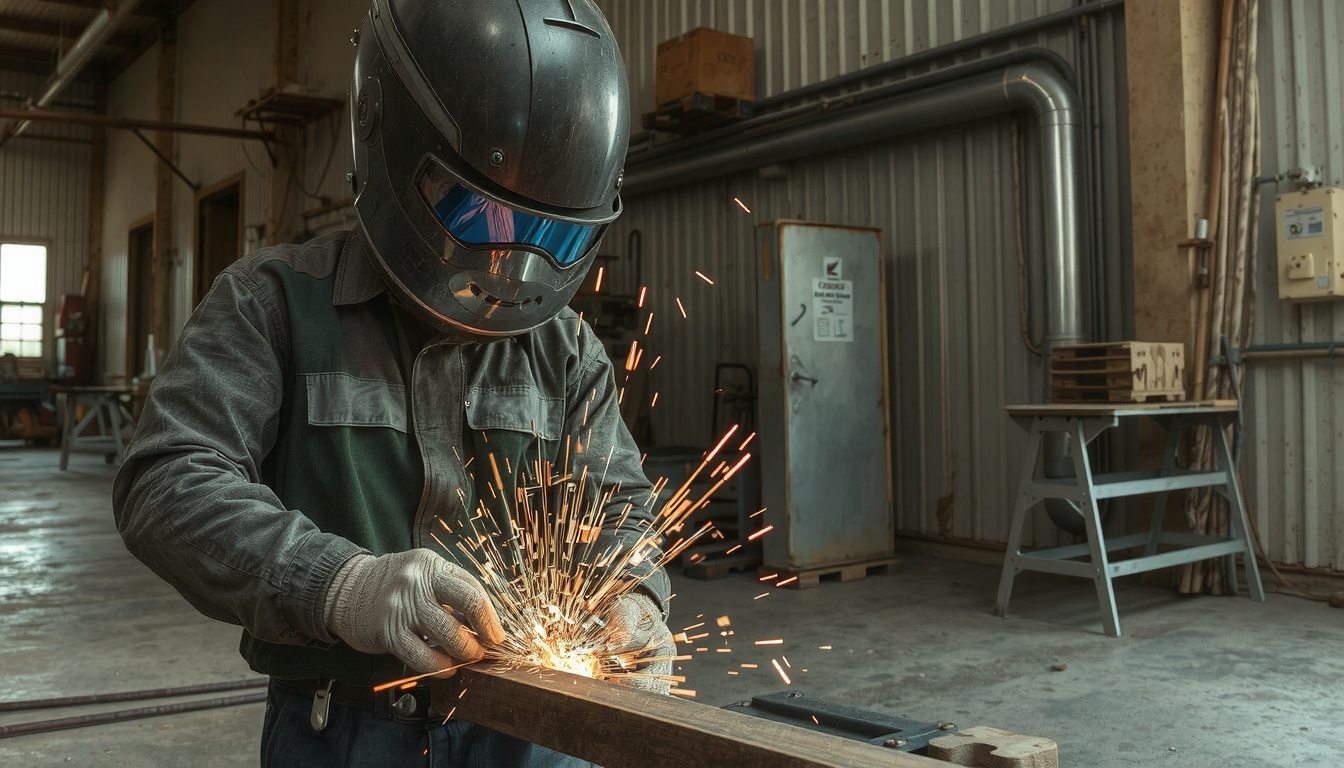
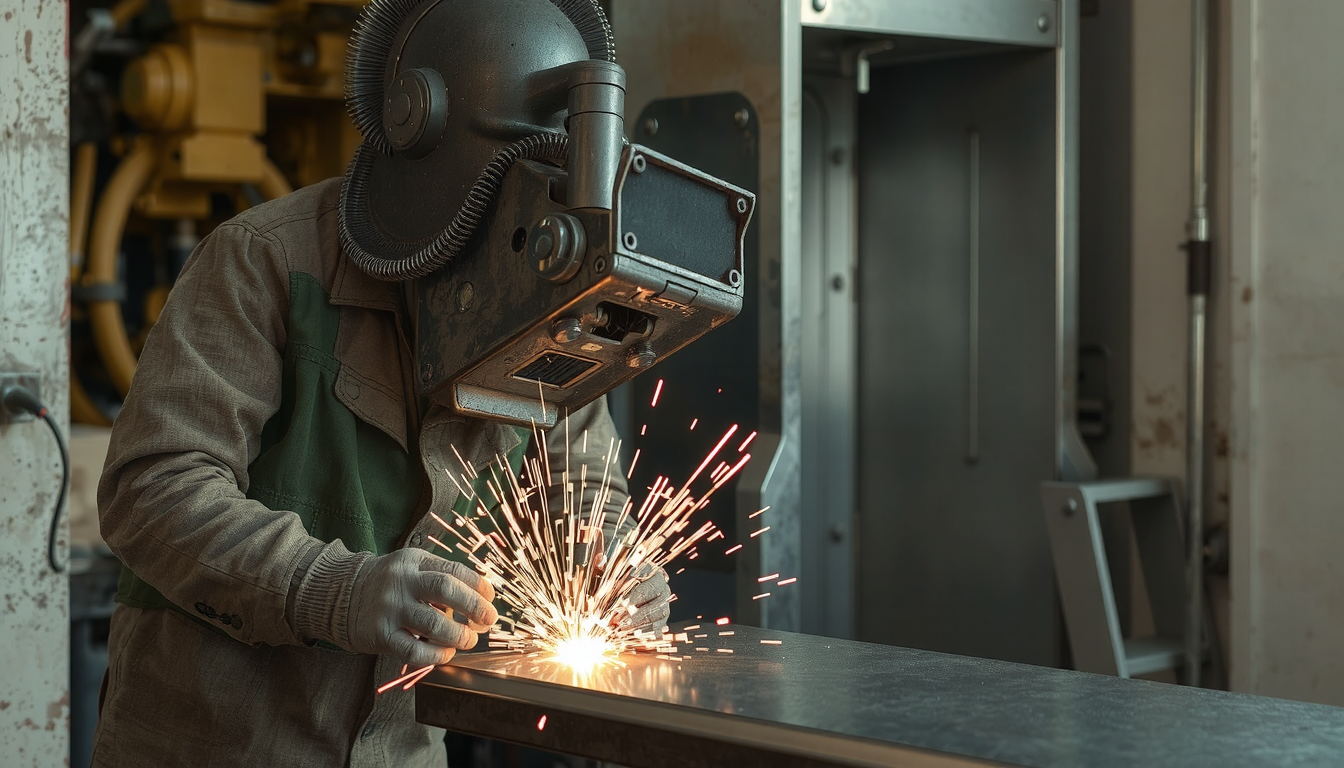
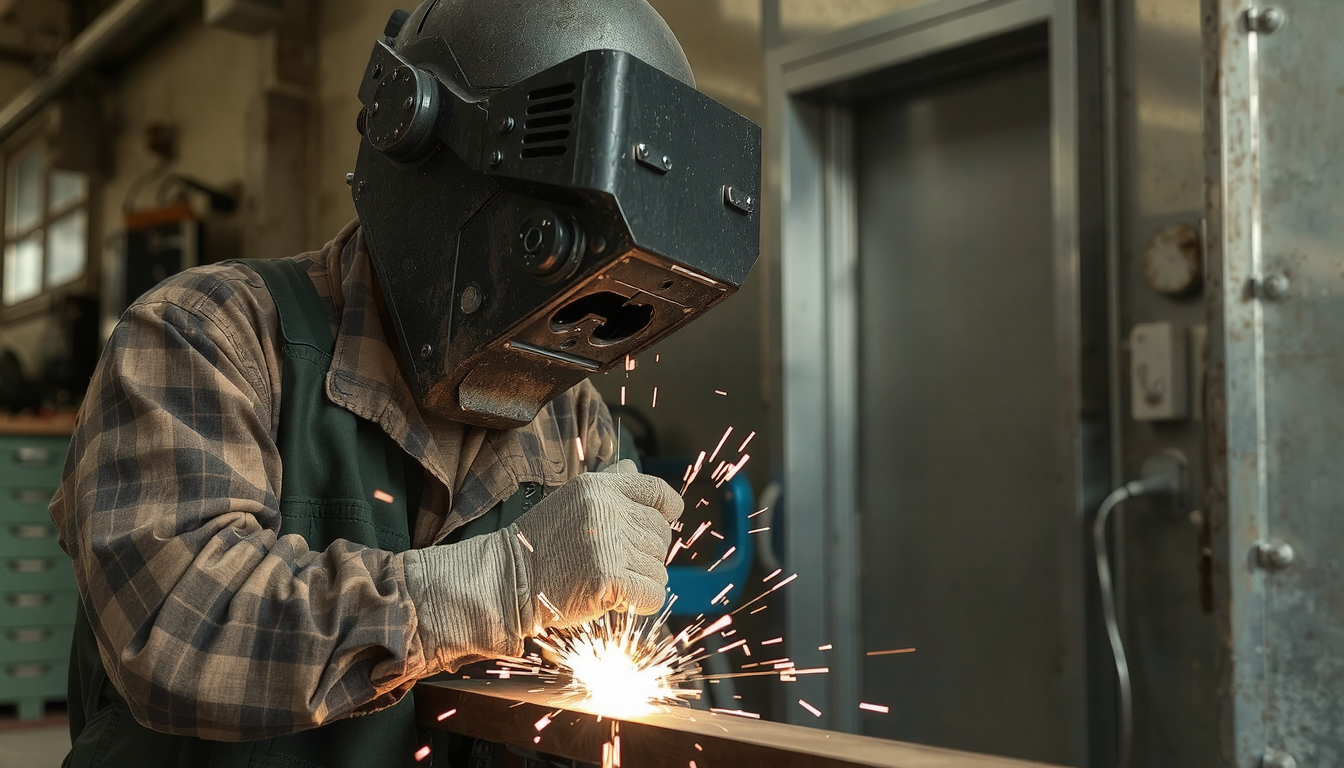
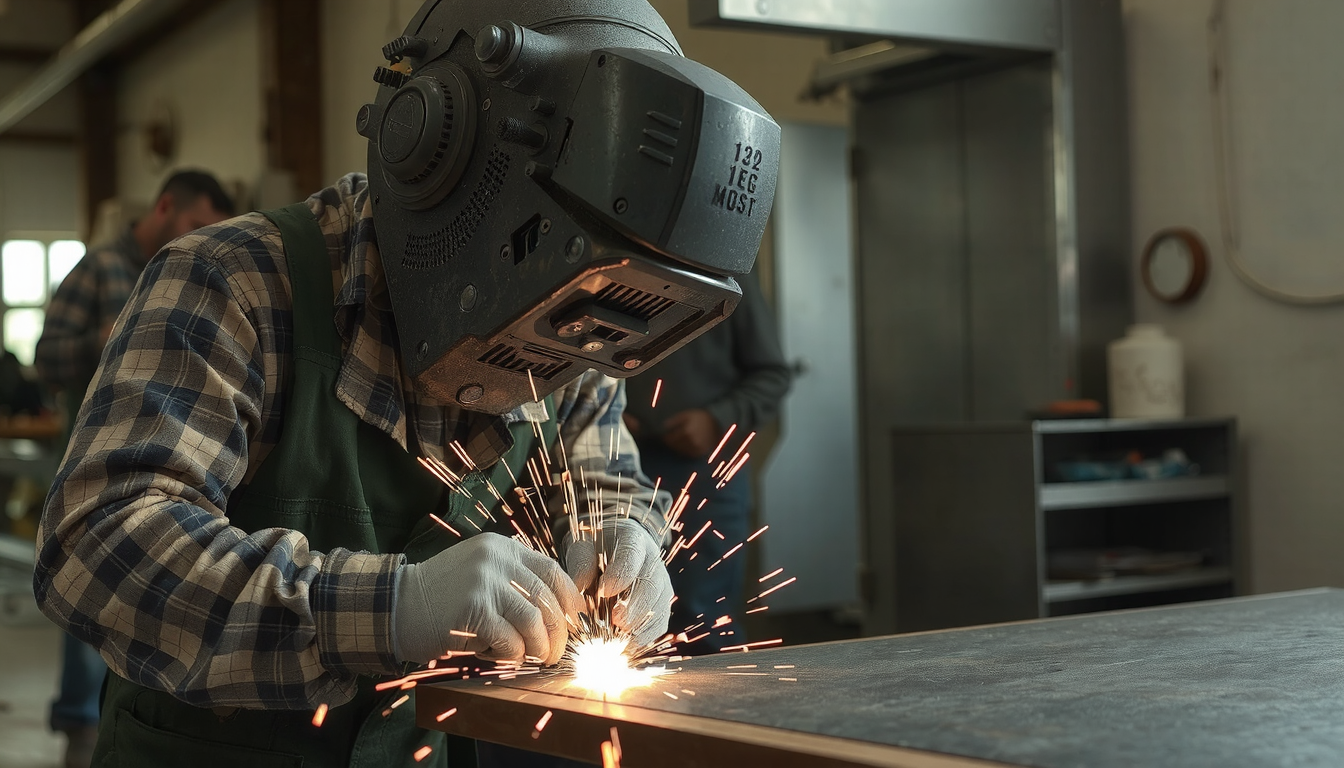
In case the final product is going to include numerous sheet metal parts, the individual parts must complete them. This part of the assembly is crucial for complex structures.- Welding: With this method you literally melt the two metal pieces together. This creates a permanently strong bond between the materials.
- Riveting: Adds small pins known as rivets for fastening components. The method is a common choice for aerospace applications.
- Fasteners: Simple screws, bolts, and nuts are often used. These work for assemblies that may need to be taken apart later.
Stage 3: Finishing and Quality
The last stage guarantees that the part not only looks beautiful but also performs as intended. Finishing operations like adding paint or a protective coating can prevent rust from forming on metal. They may improve the appearance or make the part ready for a certain operating environment.
Common finishing options include sanding to smooth surfaces. Powder coating gives a tough and colorful finish. Painting helps with appearance and protection. Anodizing for aluminum parts increases resistance to rust. In as much as all the parts after finishing go through quality checks. Working with a measuring tool we check that all the sizes are correct. Also, we inspect the surface for any flaws.
The Building Blocks: Common Materials
The choice of material is basic to what sheet metal work can achieve. Different metals offer different benefits. The right selection depends entirely on the project’s needs. Here are some of the most common materials used in sheet metal working.
Steel (Carbon Steel, Stainless Steel)
- Properties: Carbon steel is known for its strength, toughness, and low cost. Stainless steel contains chromium. This gives it excellent resistance to rust and corrosion.
- Uses: Steel is a workhorse material. You’ll find it in car bodies, home appliances like washing machines, and structural parts for buildings.
Aluminium
- Properties: Aluminum is lightweight and naturally resistant to corrosion. It’s also a good conductor of electricity and heat. It is also easy to form.
- Uses: Its light weight makes it perfect for aerospace parts, such as fuselage panels. It is also used for electronics boxes, electrical parts, and road signs.
Kupfer und Messing
- Properties: Copper is highly valued for its excellent electrical and thermal conductivity. Brass is an alloy of copper and zinc. It’s strong and has a beautiful golden appearance.
- Uses: Copper is essential for electrical connectors and wiring. Both copper and brass are used in plumbing, roofing, and decorative items. This is due to their look and toughness.
Titan
- Properties: Titanium has an incredible strength-to-weight ratio. This means it is very strong for how little it weighs. It is also exceptionally resistant to corrosion.
- Uses: Due to its high performance and cost, titanium is saved for demanding uses. This includes high-tech aerospace parts and medical implants.
Where is Sheet Metal Work Used?
Sheet metal work has a diverse range of usages which can be seen in various areas of the industrial sector. It is a field that uses a variety of manufacturing processes to create parts for everything from electronics to architecture. Check the product line of every company here to see if the article of your choice has any sheet metal solutions.
Automotive and Transportation
S-sheet metal work is very important in the car industry. It is part of the process of making lightweight but robust. These will get the work done, save some energy and minimize the risk.
* Examples: Car door panels, chassis components, and protective battery enclosures for electric vehicles.
Luft- und Raumfahrt
Aerospace industry is highly in need of super exactness. It also wants materials that can endure unimaginably heavy loads while being ultra-light. Sheet metal work supplies both.
* Examples: Fuselage skins, internal wing ribs, and protective engine cowlings.
Bauwesen und Architektur
Sheet metal operates not only as a functional part but aesthetically also on buildings. It is used where you can’t see the elements. Those that outline the building outside are also used.
* Examples: HVAC-Kanäle that circulates air, roof flashing that prevents leaks, and modern metal facades.
Electronics and Appliances
Almost every electronic circuit and the house appliance is made of a sheet metal shell that surrounds and protects the electronics from damage and interference.
* Examples: Computer cases, refrigerator doors, and the internal microwave chassis.
Medizinische Industrie
In the medical field, there’s a need to have accurate, reliable, and sterilizable parts. Stainless steel and titanium are contemporary materials predominantly for the metal work in this area.
* Examples: Surgical tool trays, housings for medical devicesund hospital equipment cabinets.
Selecting the Right Method
Revealing what is sheet metal work also contains realizing how to make crucial decisions. Choosing the right cutting method or material is a make-or-break factor for a project. It will affect the cost, the quality, and the expectations of performance. This is practical wisdom that helps a novice turn into a difference-maker.
Comparing Sheet Metal Cutting Techniques
Diverse solutions for the cutting of metals yield diverse advantages and disadvantages. Their matrix looks like this. The choice may depend on the desired level of precision, material, thickness, and budget. Below we provide a comparison of automated cutting processes.
| Technik | Best for Precision | Material Dicke | Edge Finish | Relative Cost |
|---|---|---|---|---|
| Laserschneiden | Sehr hoch | Thin to Medium | Smooth, clean | Hoch |
| Plasma Cutting | Mittel | Medium to Thick | Good, some dross | Mittel |
| Waterjet Cutting | Hoch | Any Thickness | Very Smooth | Sehr hoch |
| Shearing | Niedrig | Thin | Clean, but straight lines only | Niedrig |
Key Factors for Your Project
When planning any sheet metal project, several factors must be weighed. This ensures the best outcome. Going through this list will help you and the manufacturing partner make the right decisions.
- Material Type: What does the part need to be: strong, light, rust-proof, or conductive? The material you use will specify the properties of the final product.
- Teil Komplexität: Is the design just a few simple bends, or does it include curves and complex cutouts? Complicated parts may need additional advanced processes like 5-axis cutting with a laser.
- Produktionsvolumen: Are you making a single prototype or thousands of identical parts? Stamping is ideal for huge amounts. Laser cutting is flexible for small fractions.
- Budget: What is the aim for the cost of each part? High precision methods cost extra, while bending and shearing are simpler and cheap.
- Required Tolerances: What is the part’s required precision? Aerospace and medical components demand tight tolerances. An architectural panel may be a little off.
How Sheet Metal Integrates with Other Processes
Sheet metal work barely stands on its own. An assembly of products typically involves combining a number of different operations. This results in the final design. Seeing this interconnectedness offers a more realistic glimpse into manufacturing these days.
The sheet metal department may be the first one, but there can be features that get added off only on specialized machinery. Different skills are combined then to create a truly functional part.
For instance, the sheet metal box might need to have threaded inserts or precise mounting posts which are custom-machined. Such items are often created through services such as CNC-Drehmaschinen-Dienstleistungen. These parts provide tolerances beyond the forming die alone could give. Then these pieces are either welded on, or fastened to the sheet metal part. The assembly is then completed.
