

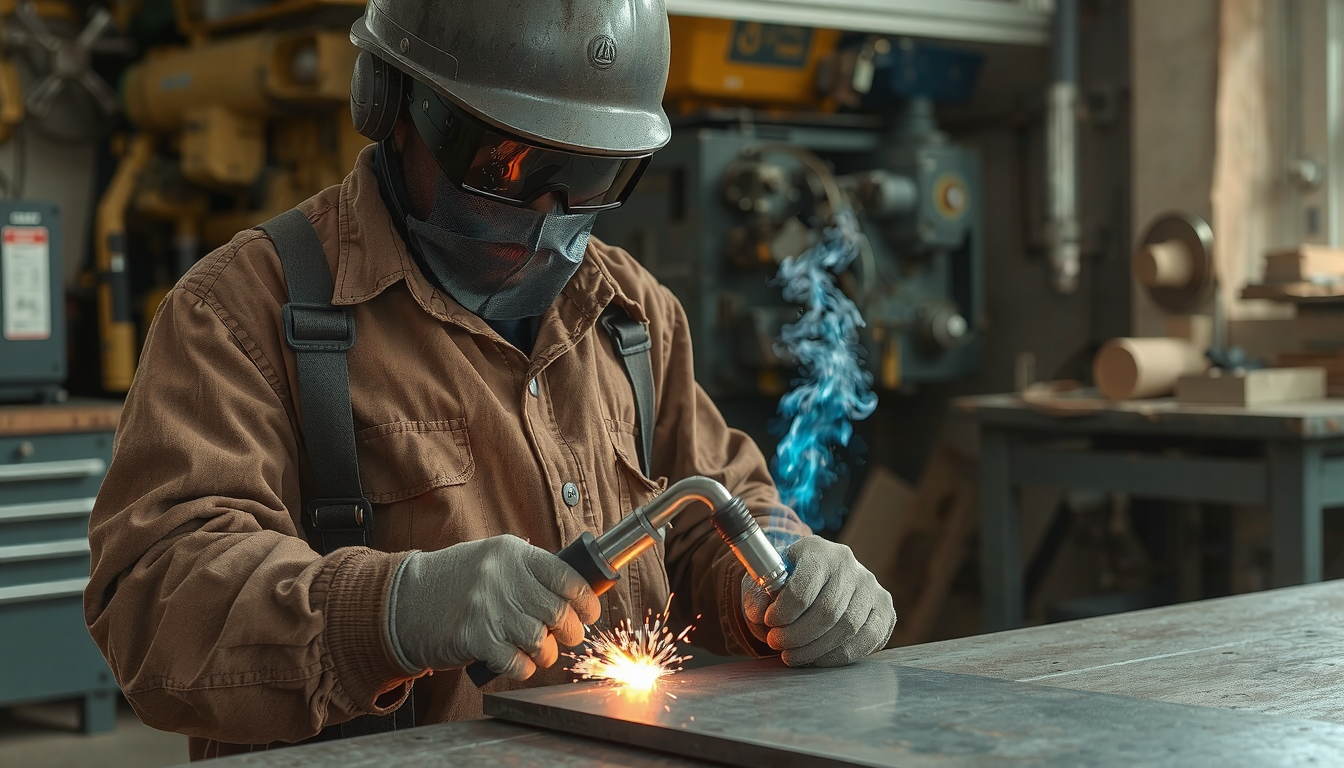
Mastering the art of brazing sheet metal is a brilliant ability. This skill offers the possibility of connecting thin sheets of metals without welding them at a very high temperature. The brazing process uses a metal filler that has a lower melting point than that of the base metal. Consequently, you can make neat and strong connections on materials that other methods might warp or burn through. In addition, this procedure is a basic part of auto body repair, HVAC installation, and even art creation. The present guide will take you step by step through the necessary tools, safety precautions, and procedures you need to braze like a pro. You will definitely gain the confidence you need to perform welding.
Wichtigste Erkenntnisse
- Cleanliness is Crucial: The most vital rule in brazing is the metal must be entirely clean. The filler metal will only flow to a clean surface.
- Heat Control is Key: Unlike welding, you heat the base metal that is not the filler rod directly. The hot base metal is what melts the rod and causes it to pull into the joint.
- Wählen Sie die richtigen Materialien: you have to make sure to choose the correct filler rod and flux to match the kind of metal you are joining. Consequently, this will create a secure joint.
- Safety First: Brazing involves open flames and harmful fumes. Always work in a well-ventilated area with proper safety gear.
Brazing vs Welding vs Soldering
It is equally significant to be aware of the reasons you might pick brazing instead of other techniques. Each method has its pros and cons; however, with thin sheet metal, brazing often has a lot of advantages. The heat is the dominating factor here and the way it acts on the metal.
We can see the key differences between these processes in this simple table:
| Merkmal | Brazing | Schweißen | Soldering |
|---|---|---|---|
| Temperature | > 840°F (450°C), below base metal melting point | At or above base metal melting point | < 840°F (450°C) |
| Base Metal | Does not melt | Melts and fuses | Does not melt |
| Joint Strength | Stark | Strongest | Weaker |
| Best for Thin Metal | Excellent (less warping) | Difficult (risk of burn-through) | Good, but for lower-strength needs |
The lower heat brazing is the main advantage for sheet metal. It, thus, significantly decreases the risk of warping or perforating the material. It is also a good alternative for coupling unlike metals such as steel and copper which are complex when doing welding.
Essential Tools and Materials
Before the process, make a list of all needed tools and materials. Having everything ready makes things easier and safer. Look at this as your pre-project checklist.
Heat Source:
* MAPP Gas Torch: A fantastic choice for beginners since it is easily accessible and provides adequate heat for most small to medium sheet metal jobs.
* Oxy-acetylene Torch: It is more heat producing and gives you better control. This is for bigger or thicker sheet metal. But it calls for one to have experience in using it infiltrated with safety.
Filler Metal (Brazing Rods):
* The type of rod you use must be right for the metal you are joining. Bronze or brass rods are common for steel. Aluminum requires a special aluminum filler rod.
Flux:
* Flux is a chemical cleaner that does two things: it protects the joint from air while you heat it, and it helps the filler metal flow smoothly. You can find it as a paste you can brush on, or as a powder which you mix with water.
Cleaning Supplies:
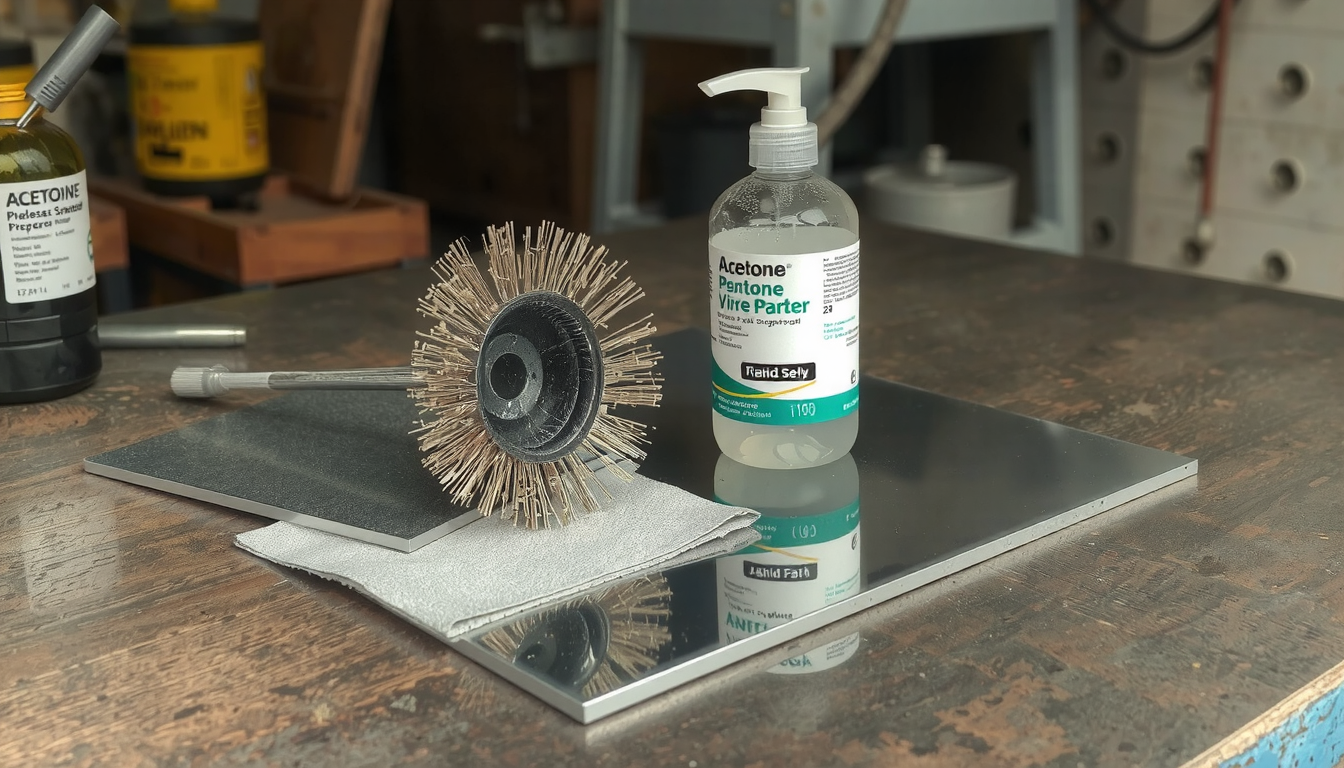
* You will need a stainless steel wire brush, sandpaper or emery cloth, and a degreaser like acetone. The metal must be shiny and clean before you start.
Safety Equipment (Not negotiable):
* Welding Gloves: To keep your hands safe from heat.
* Safety Glasses or Goggles: Use a pair with a #3 to #5 shade to protect your eyes from the bright flame.
* Fire-Resistant Clothing: Wear long sleeves and pants made from cotton or wool. Avoid synthetic fabrics that can melt.
* Fire Extinguisher: Always have one in reach.
* Good Ventilation: Work outdoors or in a space with excellent airflow. A respirator is needed for certain metals.
Miscellaneous:
* Pliers or clamps to hold your work steady.
* Fire bricks to create a safe area for heating your parts.
The 7-Step Guide to Flawlessly Brazing Sheet Metal
Let us begin with the core of the process. Follow these steps. You will make the connection of thick, neat joints. Learning how to braze sheet metal is all about a clear step.
Step 1: Joint Design and Fit-Up
First, the joints have to have a good design and proper fit. They should be tight and close to each other. It is the capillary effect that works in brazing. The melted filler metal goes into the gap which is tight.
The optimum gap between the parts should be 0.001″-0.005″. This marginal space will help you make a joint that is dense and strong. High-precision parts may be designed with the exact tolerances required for strong brazed joints through machining. For example, professional shops use CNC Lathe Services to achieve the exact sizes that the components would be machined to.
Step 2: Meticulous Cleaning
This is a very important step. Without a clean metal surface, the braze will definitely fail. Remember this: the filler metal only flows where the surface is clean.
First, clean the pieces with a degreaser in order to remove whatever oil or grease they might contain. Then, use wire brushing or sanding to clean the area of the joint precisely. By scrubbing until the color of the metal becomes shiny and bright you will fully clean it. You should also clean the area that is slightly past the actual joint area.
Step 3: Applying the Flux
After that, the parts are clean, apply a thin even coat flux to both pieces that will be joined. The flux will provide a barrier between the metal and oxygen during the heating process. It will also facilitate the flow of the filler metal. If you are using powder flux, mix it with a small amount of clean water to create a paste.
Step 4: Assembling and Securing the Parts
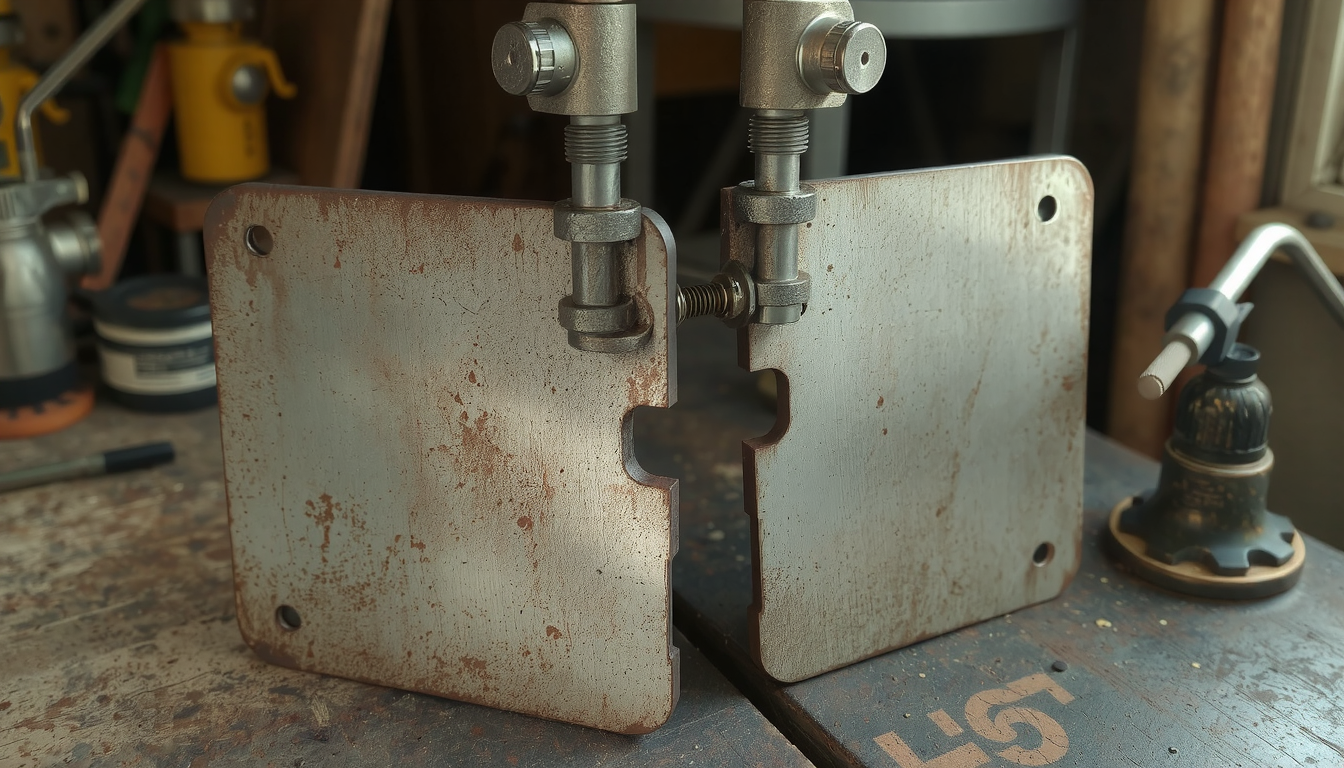
Position your clean and fluxed parts exactly as you want them. Use clamps or pliers to hold them securely in place. They must not move at all during the heating and cooling process.
Step 5: The Heating Process
The time has come to apply heat. Heating the parts quickly and evenly is the secret. Do not focus the flame just on the joint. A gentle waving motion of the torch is what you should do.
If the metal is thick keep the flame a bit longer at that end and put the other to direct heat on the other. The main aim here is to make sure both pieces are heated to the proper temperature. The sign that the metal is ready is the flux color. When the flux becomes clear and liquid, like water, the metal is ready for the filler rod. Different torches, such as those used for torch brazing with MAPP gas, will have different heating speeds. So practice is important.
This video shows an impressive visual of the brazing process in sheet metal work.
Step 6: Applying the Filler Rod
Here is the main technique you have to grasp. It is the hot base metal that will melt the filler rod, not the flame of the torch.
For a second, draw the flame back, and touch the tip of the brazing rod to the joint very gently. If the metal had reached sufficient temperature, the rod would have melted. The liquid then would have been drawn into the gap by capillary action. If it does not melt, remove the rod and add more heating to the base metal.
Step 7: Post-Braze Cleaning
After you have finished the joint and it has cooled down a bit, it is time for you to clean it. Flux residue is corrosive. Left over time it can destroy the metal.
The easiest way of washing the part is to active it in hot water. However, you should do so only when the filler is completely hardened. The temperature change often makes the flux stat itself pop out. Thus, if there are any remains, make use of a steel brush and water to clean the joint properly.
Advanced Techniques: Brazing Different Sheet Metal Types
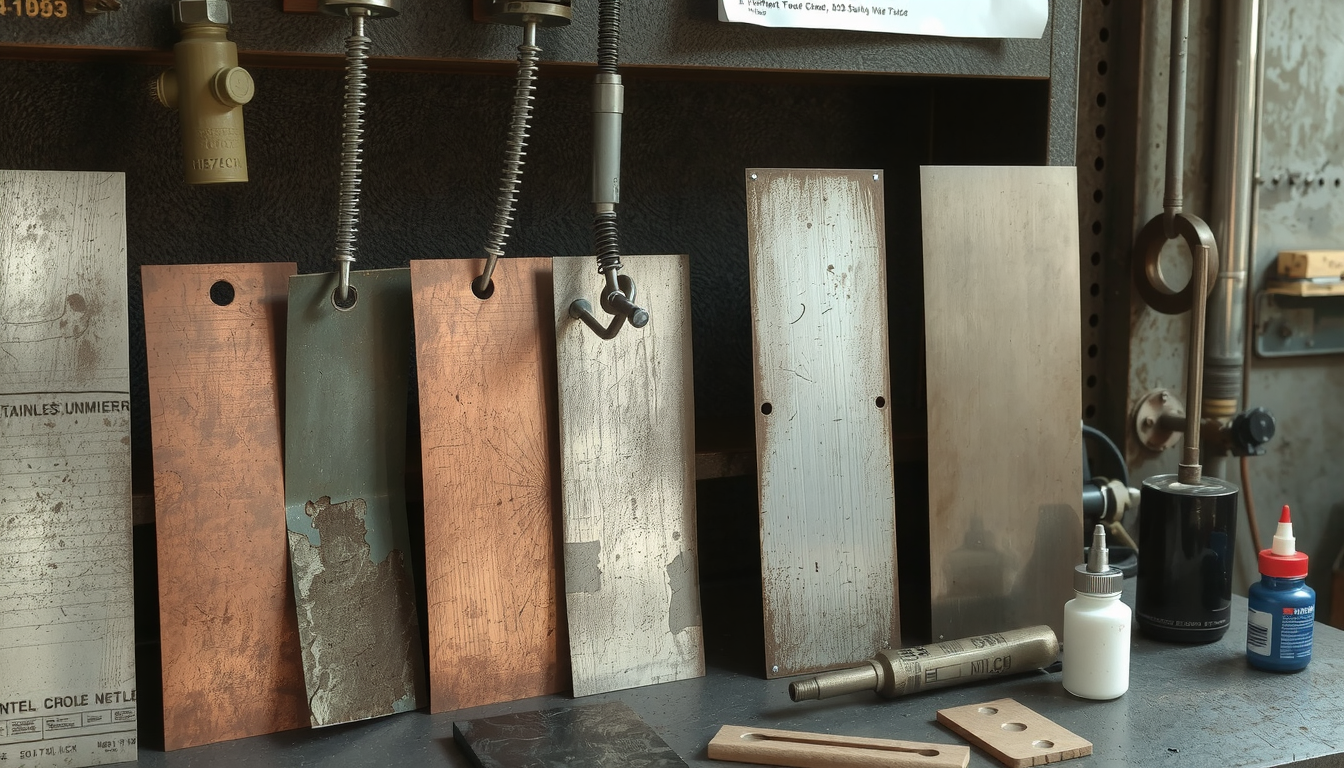
Not every metal is the same thing. Here are a few tips from the pros for different types of sheet metal.
Brazing Steel Sheet Metal:
This is the most common and straightforward type. Use a standard bronze or brass-based filler rod with a general-purpose white flux. In learning, the main skill to practice is heat control.
Brazing Galvanized Steel:
A most urgent and paramount safety warning must be given. The coating of zinc on galvanized steel is detrimental to your health. You should grind off this zinc coating from the job area and the metal surrounding the joint before you start heating. Zinc when heated makes toxic fumes that are very dangerous to inhale. Always work in a well ventilated area and use a respirator.
Brazing Aluminum:
This one is a toughie and so it requires special materials. You need an aluminum-only filler rod and a special aluminum flux for brazing. Aluminum does not give away any sign of warning before it gets molten. For this reason, you must control the heat very carefully. There are a lot of handy guides on brazing nonferrous metals that depict this process.
Brazing Copper/Brass:
These types of metals are typically very easy to braze. They quickly pick up heat and so you work faster. When you are fastening copper to copper, often you can just use a phosphor-copper rod and not bother with flux. Thus it is much easier.
Troubleshooting Common Brazing Problems
Having braze practices can be a source to some problems as well. Here is a simple table that shows how to solve the most common issues when you braze sheet metal.
| Problem | Probable Cause(s) | Lösung |
|---|---|---|
| Filler metal balls up, won’t flow. | 1. Base metal not hot enough. 2. Dirty or oxidized metal. 3. Incorrect or insufficient flux. |
1. Heat the base metal more, not the rod. 2. Stop and re-clean the joint area until it is bright. 3. Apply fresh, correct flux to the joint. |
| Sheet metal warps or burns through. | 1. Too much heat in one spot. 2. Torch flame is too close. |
1. Keep the torch moving in a wide, circular pattern. 2. Pull the torch back to create a softer, larger flame. |
| Brazed joint is brittle or cracks. | 1. Part was cooled too quickly. 2. Wrong filler rod for the base metal. |
1. Let the part cool down slowly in the air. Avoid quenching in water. 2. Check that your rod is compatible with your base metals. |
Critical Safety Protocols for Brazing
Safety should always be the first thought. When you follow the rules, brazing is safe, but it becomes perilous when the rules are ignored.
Ventilation is Paramount: Ventilation is vital for your safety. You should always make sure that the area is well ventilated. There are harmful fumes from the flux and metal coatings that can harm you. You can do this by opening the garage door or using a fan. Sometimes for some materials, a fume extractor or a respirator is necessary.
Fire Prevention: It is very important that your workspace is clear of anything that can catch fire. This includes paper, rags, and all kinds of flammable liquids. Work on a fireproof surface like a steel table or on top of fire bricks. Keep a fire extinguisher close by at all times.
Personal Protective Equipment (PPE): Never braze without the right gear. It is necessary to wear leather gloves, full-coverage clothing made of natural fibers, and shaded safety glasses. For a full breakdown of safety rules, you can review comprehensive Brazing Safe Work Procedures from safety institutions.
When to Call the Professionals
Though it is beneficial to collect skills like how to braze sheet metal at home, some jobs are best left to pros. Assignments that demand structural strength, high-pressure systems, and mass production require people with certified skills.
In fact, such projects would be more viable when you hire professional Blechfertigung services that have the right machinery and quality control to deliver perfect results. In situations where the highest level of precision and reliability is required, employing a full-service metalworking expert like Mekalit would be the best choice. They are equipped with the skills to do jobs beyond what is expected in a home workshop.
FAQ: Your Sheet Metal Brazing Questions Answered
Can you braze sheet metal with a propane torch?
Yes, but it is challenging. A standard propane torch does not get as hot as MAPP gas or oxy-acetylene. This makes it very slow to heat the metal to the correct temperature. For anything but the smallest and thinnest pieces, you will struggle to get enough heat into the part before it spreads and causes warping.
What is the strongest brazing rod for steel sheet metal?
For high-strength joints on steel, a bronze or nickel-silver brazing rod is a great choice. These rods create a bond that is very strong. They can withstand vibration and stress well. They are often used in frame repairs and other structural applications.
How do you know when you’ve used enough filler metal?
A properly brazed joint should have a smooth, neat fillet. The filler metal should look like it was pulled cleanly into the seam. You do not want to see large lumps or blobs of filler sitting on top of the joint. The goal is to use just enough rod to allow capillary action to fill the gap completely.
Can I braze painted or rusty sheet metal?
Absolutely not. Brazing requires a perfectly clean surface. Any paint, rust, oil, or dirt will prevent the filler metal from bonding to the base metal. You must completely remove all contamination with a grinder, wire brush, or sander before you even think about applying flux or heat.
What is the main difference in technique when you braze thin sheet metal versus thick metal?
Heat control is the biggest difference. With thin sheet metal, you need to use a “softer” flame and keep the torch moving constantly. This spreads the heat out to prevent burning through. With thick metal, you need to use a more focused, intense flame for a longer time. This gets the entire mass of the metal up to brazing temperature.
Schlussfolgerung
You now have a complete roadmap for how to braze sheet metal. We have covered the core principles: the importance of a clean and tight joint, the right way to heat the metal, and the technique of letting the hot part melt the filler rod. This method creates strong, reliable joints on thin materials.
Remember that practice is the key to mastery. Start with some scrap pieces of metal to get a feel for the process. With each attempt, you will build confidence and skill. Soon, you will be able to use brazing for all kinds of creative and practical projects.
