



Introduction: From Daunting Task to Doable Skill
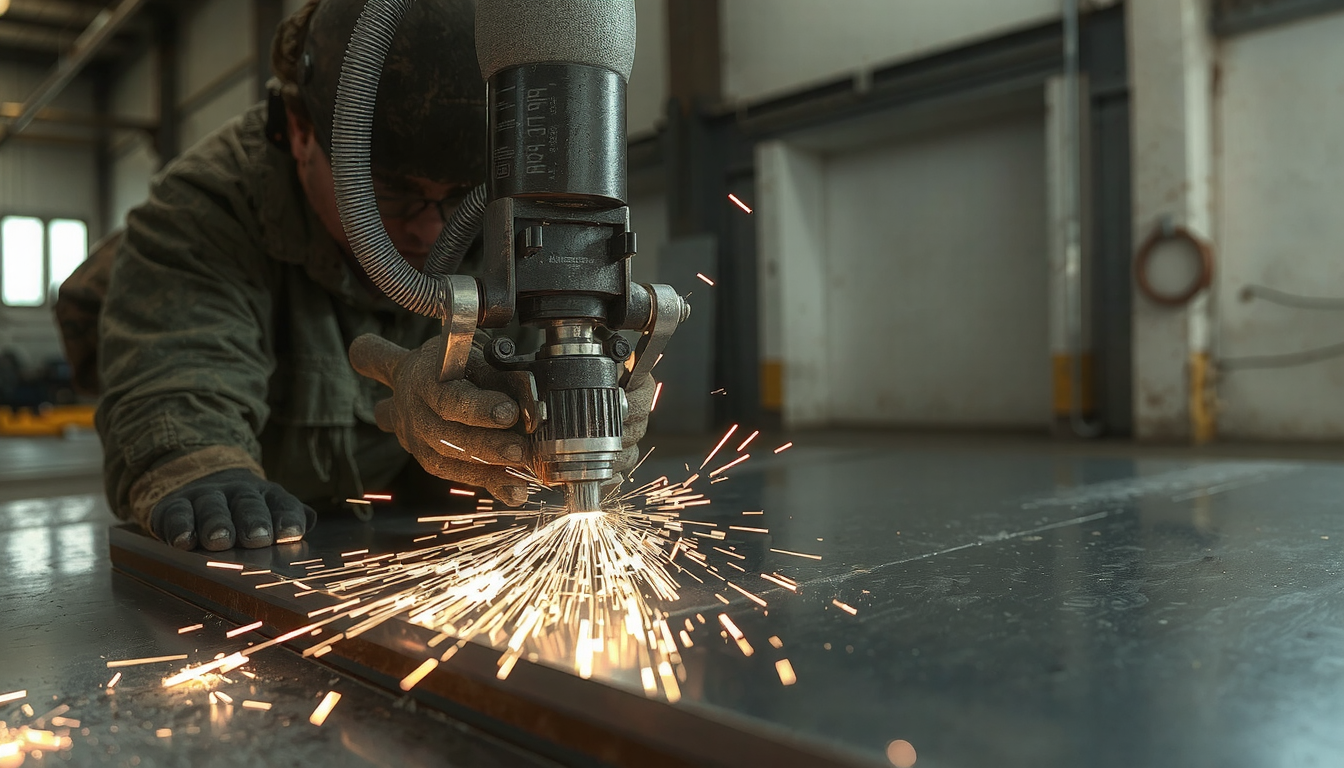
At first, cutting metal may be difficult. The material is very tough. The tools can look complicated. But with the right knowledge, it can be a skill anyone can learn.
This guide is here to help you. We will show you the proper ways to make cuts in thin sheet metal safely and cleanly. We will take you through everything from hand tools to electric ones. By the end, you will feel ready to begin your next project with confidence.
Initial Things First: Preparation and Safety
Before you make a single cut, you need to prepare. Good preparation keeps you safe. It helps you make a better cut. Taking a few minutes to get ready makes a big difference. You should not miss these crucial first steps.
Your Safety-First Checklist (PPE)
Your safety is the most important concern in any project. Metal edges are really sharp. Some tools can develop sparks or give off dust. Thus, the right Personal Protective Equipment (PPE) is a must.
- Heavy-duty gloves: Use cut-resistant gloves to protect your hands from sharp edges.
- Safety glasses or goggles: You must have them. They protect your eyes from flying metal bits.
- Long-sleeved, non-flammable clothing: Wearing clothes made of cotton or wool material will protect your skin from sparks.
- Hearing protection: Power tools are very loud. Protect your hearing with earplugs or earmuffs.
- Respiratory mask: A mask can keep you from inhaling tiny metal dust particles.
Preparing Your Workspace and Metal
A clean and organized space is a safe space. Make sure your work area is well-lit and ventilated. Move things that might catch fire, such as paper or oily rags, away from the workbench.
It is also equally important to have knowledge about the metal you intend to cut. The thickness of sheet metals is referred to as “gauge.” A higher gauge number means the metal is thinner. For instance, 22-gauge steel is easier to cut than 16-gauge because it is thinner.
Next, clean the metal sheet. Use a cloth to wipe away any oil or dirt. This cleaning step helps you see the cut line more clearly.
Use a permanent marker or a metal scribe to draw the line for your cut. A visible, precise line is the primary route to a straight cut.
Finally, you must secure the metal. Use clamps to hold the sheet tightly to a workbench. This stops the metal from shifting or bending during cutting. A securely placed workpiece prevents dangerous slips and results in a much cleaner edge.
Which Tool is Right for You? A Decision-Making Guide
Choosing the right tool is very important for the success of any task. The “best” tool always depends on your project. Consider the type of cut you need, your budget, and the finish you are looking for. Learning how to cut thin sheet metal starts with your choice of tool.

This table is useful for the purpose of comparing the common tools and making a decision on the right one.
| Outil | Best For (Cut Type) | Metal Thickness | Cut Quality/Finish | Coût | Vitesse | Noise/Sparks |
|---|---|---|---|---|---|---|
| Tin Snips | Straight, Curves | Very Thin (<24ga) | Clean, some warp | $ | Lenteur | Faible |
| Hacksaw | Straight | Thin (16-22ga) | Some Burrs | $ | Lenteur | Faible |
| Angle Grinder | Straight, Fast | Thin & Medium | Rough, Many Sparks | $$ | Rapide | Haut |
| Jigsaw | Curves, Intricate | Thin (16-22ga) | Clean with good blade | $$ | Moyen | Moyen |
| Rotary Tool | Small, Detailed | Very Thin (<22ga) | Good, some burrs | $$ | Lenteur | Moyen |
| Nibbler | Straight, Curves | Thin (16-22ga) | Very Clean, no warp | $$$ | Moyen | Moyen |
The Manual Approach: How to Cut Thin Sheet Metal by Hand
Expensive power tools are not always necessary. In fact, many times hand tools work just great when it comes to small projects. They are cheap, quiet, and give you a lot of control. This makes them a great starting point for anyone learning how to cut thin sheet metal.
Using Tin Snips / Aviation Shears for Straight and Curved Cuts
Tin snips are like a heavy-duty pair of scissors for metal. They are also known as aviation shears. They are coded by color based on the direction they cut best. Red-handled snips cut left curves. Green-handled snips cut right curves. Yellow-handled snips cut straight.
Here is how to use them:
- Choose the appropriate snips for the cut. For a long, straight cut, use yellow snips.
- Make the initial cut starting from the metal sheet’s edge. Open the jaws of the snips as widely as you can.
- Use short, firm squeezes. Avoid closing the blades fully to the tip. This way, a small, jagged point will not form at the end of each squeeze.
- While you are cutting, one of the sides of the metal will curl up and away. Carefully guide that piece with your other hand. Wear gloves while doing this. This helps you see your line better and reduces strain on your cutting hand.
Using a Hacksaw for Thicker “Thin” Sheets
When tin snips are not strong enough, a hacksaw is a good choice. It works well on thicker sheets of thin metal, around 16 to 18 gauge.
Choosing the right blade is important. For metal, you need a blade with a high number of Teeth Per Inch (TPI). A blade with 24 to 32 TPI is ideal for cutting thin sheet metal.
Follow these steps for a clean cut:
- Securely clamp the sheet metal in a vise. The cut line should be very close to the edge of the vise jaws. This will help in reducing shaking and noise.
- Start the cut by making a small notch. Use slow, careful strokes to get the blade started on your line.
- Once the cut is started, use long, steady strokes. Apply light pressure as you push the saw forward. Lift slightly on the backstroke. Let the saw do the work.
Powering Through: How to Cut Thin Sheet Metal with Power Tools
When speed and power are what you need, power tools are the answer. They make quick work of long cuts. They can work on harder materials. But remember, more power means a greater need for safety.
Using an Angle Grinder for Fast, Straight Cuts

An angle grinder is a powerful tool for making fast, straight cuts. However, it creates a lot of sparks and noise.
A major safety warning: Angle grinders can kick back if they get stuck. Hold the tool with both hands and stand in a stable position. Always wear a full face shield, not just safety glasses.
For cutting metal, use a thin “cut-off disc,” not a thick grinding wheel.
Here is a step-by-step guide:
- Wear all your PPE, especially a face shield and gloves.
- Secure the metal sheet well with a clamp. Placing a piece of scrap wood underneath can help absorb vibrations.
- Start the grinder and let it get to full speed before it touches the metal.
- Gently bring the spinning disc to your cut line. Use the weight of the tool itself to cut. Do not press down hard. Simply guide it smoothly along the line. For more tips, review this guide on how to use an angle grinder to cut metal effectively.
Using a Jigsaw for Intricate and Curved Cuts
A jigsaw is the best power tool for cutting curves and complex shapes. The key is using the correct blade. You must use a blade made for cutting metal. These have very fine teeth (a high TPI).
Here is a pro tip for getting a perfectly clean cut in very thin metal: “Sandwich” the sheet metal between two thin pieces of scrap plywood or hardboard. Clamp all three layers together tightly. This supports the metal completely and keeps it from bending or shaking as you cut.
How to cut with a jigsaw:
- Install a metal-cutting blade. Set your jigsaw to a slow speed. If your tool has an “orbital” action, turn it off.
- Clamp your metal “sandwich” to a workbench so that the cut line is clear.
- Start the saw and guide it smoothly along your marked line. Let the blade do the cutting without you forcing the tool forward.
Using a Rotary Tool (Dremel) for Small, Detailed Work
For very small or detailed jobs, a rotary tool like a Dremel is perfect. It is great for cutting small holes, notches, or fancy shapes in very thin sheet metal.
You will need to use a reinforced cut-off wheel designed for metal. These small discs are strong but can break if you push too hard.
The best way to use a rotary tool is to make several light passes. Instead of trying to cut through the metal all at once, cut a little deeper with each pass. This gives you more control and leads to a cleaner result.
Advanced & Professional Cutting Solutions
Sometimes, a DIY project needs a level of precision that is hard to achieve at home. It is good to know about more advanced tools. You should also know when it might be best to hire a professional.
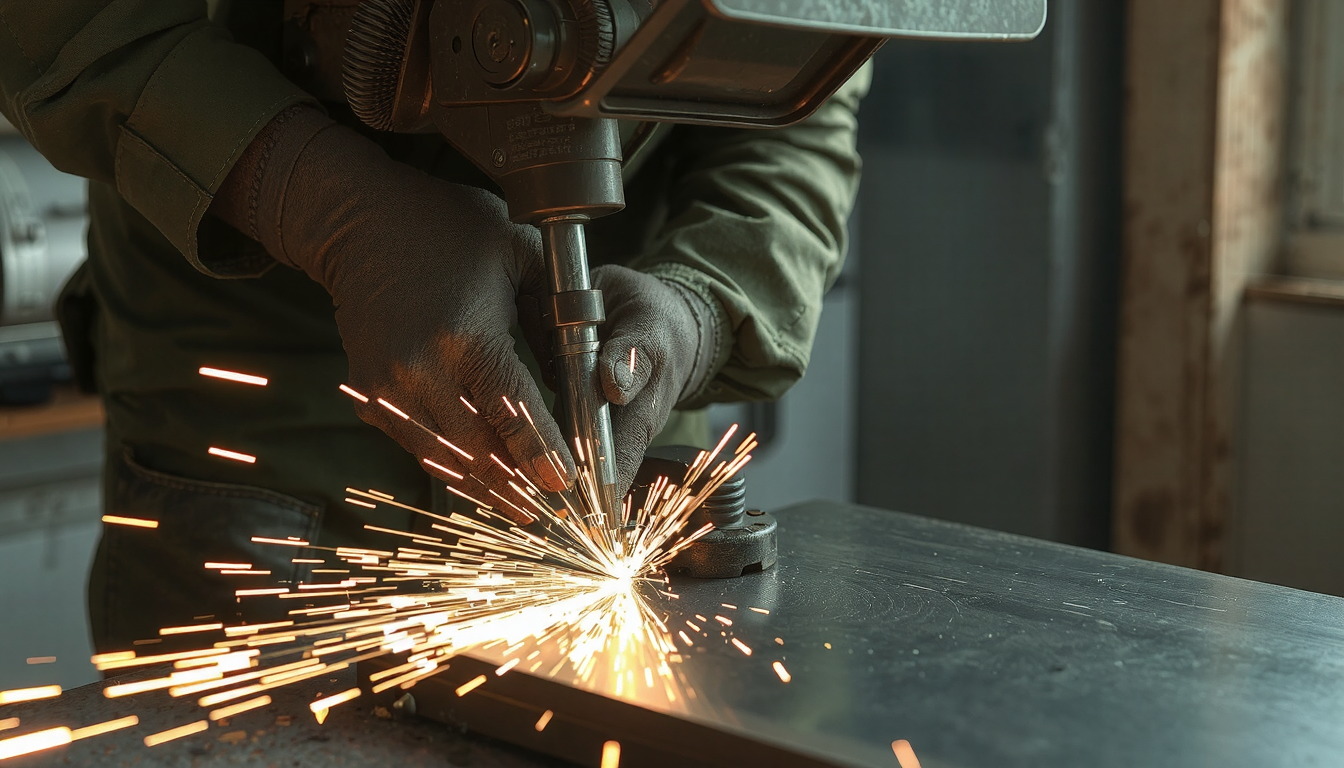
Specialized Tools: Nibblers and Shears
A nibbler is a special tool that cuts metal without bending it. It works by “punching” out tiny bits of metal. This creates a clean cut with no distortion. Nibblers are excellent for cutting corrugated metal or following tight curves.
For a workshop, a bench shear is a big step up from hand snips. It is a large, lever-operated tool that makes perfectly straight, clean cuts very quickly.
When to Call the Professionals: Laser, Plasma, and Waterjet Cutting
For the highest level of precision, professionals use advanced machines. These include laser cutters, plasma cutters, and waterjet cutters. These are some of the common industrial methods for cutting sheet metal.
These methods can create extremely complex designs with perfect accuracy. They are the best choice for projects that need many identical parts or parts with details too small for hand tools. If your project goes beyond simple cuts, professional fabrication de tôles services can deliver results you cannot get at home. For example, many complex parts also require turning and milling. Specialized Services de tournage CNC are needed for perfect results.
After the Cut: How to Deburr and Finish Edges
After you cut a piece of sheet metal, the edge will be very sharp. It will have small, rough bits of metal called burrs. Removing these burrs is called deburring. This final step is crucial for safety and for a professional-looking finish.
Tools for the Job
A few simple tools can make your metal edges smooth and safe.
- Flat file: Use a file for smoothing long, straight edges.
- Half-round file: This is good for smoothing curved edges and inside corners.
- Deburring tool: This is a special tool with a swiveling blade designed to quickly clean up edges.
- Sandpaper or Emery cloth: Use this for a final, very smooth finish.
To smooth an edge, hold the file or deburring tool at a 45-degree angle to the metal. Use smooth, even strokes along the edge. Always push the tool away from your body and wear gloves.
Conclusion: Cut with Confidence
You now have a clear guide on how to cut thin sheet metal. The main lesson is to match the right tool to your specific job. Consider if you need a straight or curved cut. Think about how thick the metal is and what kind of finish you want.
Most importantly, always put safety first. Wear your PPE. Prepare your workspace. Secure your material before you start.
We encourage you to grab a scrap piece of metal and practice. Try a few different tools to see how they feel. Soon, what once seemed like a daunting task will become just another valuable skill in your workshop. As you grow from simple cuts to more complex projects, exploring the world of professional manufacturing can be inspiring. For a look at what’s possible with advanced machinery and expertise, you can learn more at Mékalite.
Frequently Asked Questions (FAQ)
What is the absolute cheapest way to cut thin sheet metal?
For very thin metal, like 24 gauge or thinner, a good pair of utility scissors or a utility knife might work for short cuts. However, the best and cheapest dedicated tool is a pair of tin snips. They provide the control and leverage needed for a clean, safe cut on most DIY projects.
How can I cut a circle in the middle of a sheet of metal?
To cut a circle, you first need a starting point. Drill a “pilot” hole inside the circle, large enough for your saw blade to fit through. Then, use a jigsaw with a metal-cutting blade to carefully cut along your circular line. For smaller, standard-sized holes, a bi-metal hole saw attached to a drill is a faster and easier option.
Can I cut thin sheet metal with a Dremel?
Yes, you can. A Dremel or another brand of rotary tool is excellent for cutting thin sheet metal, especially for small, detailed, or intricate shapes. You must use a reinforced abrasive cut-off wheel. This method is not very efficient for long, straight cuts but offers great precision for detail work.
How do I stop thin sheet metal from bending or warping while I cut it?
The best way to prevent bending is to support the metal properly. Always clamp it securely to a workbench as close to the cut line as possible. For very thin sheets or when using a tool like a jigsaw that can cause vibration, use the “sandwich” technique. Clamp the sheet metal between two pieces of scrap plywood and cut through all three layers at once. This keeps the metal flat and results in a much cleaner cut.
What’s the best tool for clean, straight cuts in thin metal?
The answer depends on your budget and desired quality. For professional, perfectly straight, and distortion-free cuts, a bench-mounted shear is the top choice, but it’s expensive. For a DIYer, The Best Metal Cutting Tools often involve a power saw. An angle grinder or a circular saw with a metal-cutting blade, guided by a clamped straightedge, will produce excellent straight cuts. These cuts will have burrs, so you will need to finish the edge with a file.
