

If not protected properly, almost all types of sheet metal rust, including the most common ones, are capable of that. However, sheet metals differ in many ways. Fortunately, rust can be entirely prevented. For any project, it is essential to learn how to stop it. This comprises both home reparative and large industrial constructions.

Rust is another term for iron oxide. It is the reddish-brown, flaky stuff that is formed on some metals. To get rust, you need three things: iron, oxygen, and water. If you remove any single one of these, you will stop the rusting process altogether. The rust problem is very serious. A recent NACE International study finds that the total cost of rust globally is more than $2.5 trillion. This figure exemplifies the true worth of rust prevention.
In this guide, you will learn which types of sheet metals rust and what causes them to rust. More importantly, we will be suggesting practical, effective ways of both preventing and treating them. We will teach you features of metal parts that can last you a lifetime when well coated.
Learning Your Adversary: The Mechanism of Sheet Metal Rust
Rusting results from the natural chemical reaction which is oxidation. This is similar to a tiny battery being formed on the metal surface. The particular iron in the metal wants to get rid of a small particle which is called electron. That is what the oxygen present in the air wants too.
Water is the pathway that makes the movement of these particles possible. Meanwhile, iron, oxygen, and water get involved in a chemical reaction and form a new compound. This compound is known as hydrated iron(III) oxide and we can see it as rust. Because of this, we can conclude that sheet metal is more likely to rust in humid or wet conditions.
Some factors can also accelerate this process. Salt is a primary culprit in this case. You will find that in coastal air or on winter roads. Acids also support quicker rust formation. Acid rain contains these acids. The main point is that rust requires a certain mix.
- Iron (Fe): The primary ingredient that can be found in steel and other metals that have iron in them.
- Oxygen (O₂): It’s always there in the air we breathe.
- Water (H₂O): The assistant that can be rain, dew or just humidity in the air.
It is also important to understand the difference between rust and corrosion. Rust means specifically iron corrosion and its alloys such as steel. Corrosion in other metals like aluminum happens, but it does not rust. They do not have the harmful rust particles, they produce a different protective layer.
Not All Sheet Metal is the Same: Rust-Prone vs. Rust-Resistant Types
The answer to the question, “will sheet metal rust?” must and will be based on the material you choose. Your best and first weapon against rust is picking the right metal at the beginning. The awareness of these physical properties comes firsthand with the career of a professional fabrication de tôles employer.
We can break most sheet metals into two classes: ones that are prone to oxidation and those that have better resistance to that.
Ferrous Metals: The Usual Suspects

The main substance of these metals is iron. Which is what makes them rust easily.
- Carbon Steel (Mild Steel): This is the most common and low-cost type of sheet metal. It has a high strength-to-weight ratio and is easy to work with. It’s used in manufacturing everything from car bodies to building frames. However, the high iron content and no natural rust protection make it vulnerable. Uncoated carbon steel is prone to very fast rusting when it is in contact with moisture.
- Acier allié : This is steel that has been mixed with elements like manganese or nickel. They increase the strength or hardness of the steel. Alloys show slightly more rust resistance than basic carbon steel, yet still most of them are iron based. They will corrode without a protective coat.
- Cast Iron: Though it is not often found in sheet form, cast iron is known for heavy rusting. It is a very brittle material but has excellent heat retention. This is the reason why it is used in engine blocks and cookware. It requires care and effort to resist rust.
Rust-Resistant Metals: The Safer Picks
These are metals that lack iron or have some unique features to protect them from rust.
- Acier inoxydable : The “stainless” name comes from its high chromium content. The chromium reacts with oxygen to form a very thin, invisible, and strong layer of chromium oxide on the surface. This “passive layer” seals the iron in the steel from moisture and oxygen. This prevents sheet metal rust. However, under extreme conditions such as continuous salt or chlorine exposure, even stainless steel can rust.
- Galvanized Steel: This is carbon steel that is simply coated with a thin layer of zinc. The zinc serves as a barrier. It will corrode first and protect the underlying steel. That makes it a very effective and cheap way of converting a rust-prone metal into a rust-resistant one for many years.
- Aluminium : This metal does not have any iron in it, therefore, rusting is not an issue at all. But it oxidizes. When in contact with the air, it reacts quickly to form a hard, thin layer of aluminum oxide. Conversely, this layer is not like rust, it is stronger. It inhibits any further corrosion of the metal and makes it look like chalky white or dull gray.
- Copper & Brass: These are also iron-free and will not rust. They react with the environment over time, forming a greenish-blue layer called a patina. The patina is a type of corrosion but paradoxically it protects the metal underneath. Many people think it is beautiful.
Shielding Your Armor: A Comparison Guide to Rust Prevention Techniques
It is a well-known fact that prevention is always cheaper, better, and easier than fixing after the damage has been done. After you have selected the metal, the next thing you do is to choose how to protect it. Your decision depends on your project, budget, and environment.
There are various types of sheet whips rust and methods to keep them coated. The methods range from simple oils to advanced high-tech coatings. Some are permanent, and some will demand reapplication. Below we have compared some of the most common of those methods so that you can decide. Many projects are enhanced with a range of protective coatings. The choice of the right one is crucial.
| Méthode | How It Works | Meilleur pour | Durabilité | Coût | DIY-Friendliness |
|---|---|---|---|---|---|
| Painting/Powder Coating | Forms a physical barrier to seal metal from air and moisture. | General use, automotive, structural parts, aesthetics. | Medium to High | Low to Medium | High (Painting), Low (Powder Coat) |
| Galvanization | Gives the steel a zinc coating that undergoes sacrificial corrosion. | Outdoor structures, roofing, hardware, harsh environments. | Haut | Moyen | Low (Industrial Process) |
| Oiling/Waxing | A chemical film that displaces water from the metal surface temporarily. | Tools, parts in storage, preserving a naturally metallic look. | Faible | Very Low | Haut |
| Bluing/Black Oxide | A controlled magnetite rust that creates a protective surface layer. | Firearms, tools, machine parts where dimensions cannot change. | Moyen | Moyen | Moyen |
| VCI (Vapor Corrosion Inhibitor) | A chemical that disperses vapor to create a protective molecular layer. | Parts in shipping or long-term storage in enclosed spaces. | High (in storage) | Low to Medium | Haut |
From Raw Steel to Strong Part: A Detailed Protection Steps
Let’s take a common company scenario. You have purchased a sheet of raw, uncoated carbon steel for a plan. You notice mild surface rust that started to settle there quite earlier. What steps should you take to prepare it to prevent it from ever rusting again?
These steps are necessary. Our vast experience shows that over 90% of coating failures come from improper surface preparation. Please, do not skip them.

Step 1: Safety First
First, make sure you are in a well-ventilated area before you start. No open flames should be present in the working area. It’s mandatory to wear safety glasses to keep your eyes away from debris and chemicals. Nitrile gloves are also required. They prevent contact between your skin and the metal surface, as well as, oils from your hands.
Step 2: Surface Preparation – The Most Important Stage
Your goal is to remove all rust, scale, oil, and dirt so that you can start with a clean and dry surface.
- Mechanical Cleaning: You should start the process by removing any loose rust or mill scale. Mill scale (a bluish-gray coating that forms on steel) is a very specific type of rust that forms on new steel. Wire brushes or sandpaper of around 80-120 grit will do on light rust. Angle grinders with wire wheel brushes work well to clean larger areas or wet rust. The absolute best method is media blasting (sandblasting) if you can access it. This method creates a perfect primer texture for adhesion.
- Chemical Cleaning: After mechanical cleaning, the metal will still have oils and dust on it. So it becomes necessary to degrease it. You should clean the whole surface with a rag soaked in acetone or a wax and grease remover. You must use one rag to put it on and then use a clean different one to wipe it off. A common misunderstanding is using the same rag. That only spreads the grease more. For thin rust in difficult-to-reach pits, you can use a rust remover product that contains phosphoric acid. This changes the iron oxide into something else.
Step 3: Priming – Establishing the Link
Painting metal directly is a big no. Primer is built for two functions. It forms a chemical bond with the metal and coats it to provide a smooth surface for your paint.
You should apply the primer as soon as the surface is clean and degreased. Uncoated steel can get rust in just a few minutes in humid air. The ideal product to choose is a self-etching primer, which is particularly good for non-rusted steel. A small amount of acid present in it etches the surface and offers a really strong grip. If you want to be on the safe side, an epoxy primer is the best choice. i.e. the standard epoxy primer is a hard, non-porous barrier that is almost watertight.
Step 4: Applying the Topcoat – Your Last Shield
The last line of protection is the topcoat. It also determines the color and the finish. You are free to use high-quality enamel or urethane paints. These are easily available in spray cans for DIY projects.
The most important piece of advice will be to apply several thin coats instead of one thick coat. A thick coat takes a long time to dry. A long time means it can trap solvents for longer and be more prone to chipping or peeling. A light first coat is recommended to be applied. It should flash off (become tacky) according to what is stated in the instructions on the can. Then the second thin coat should be applied. Usually, two to three coats are enough for perfect protection. They are the methods we stand on. Many DIY enthusiasts have shared great experiences in such areas.
Special Cases: Preventing Sheet Metal Rust During Storage and After Welding
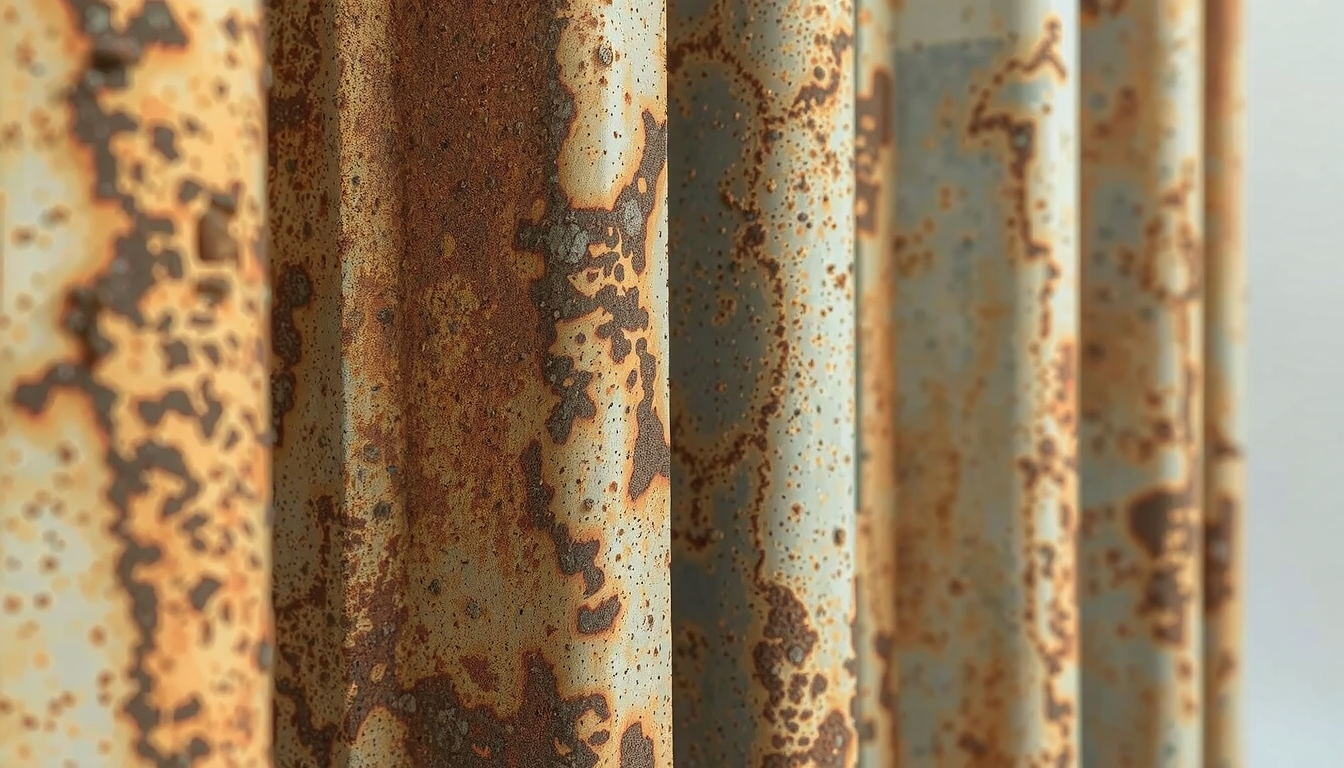
Normally, you should protect your metal, but there are two situations that really can create a big rust issue. These include the processes of storage and welding. If you know how to deal with them, you will save yourself a lot of time and effort.
Keeping Sheet Metals Rust-Free in Storage
One of the scenarios is gaining a stack of metals for a project that you will have in the future. Something that will really harm the metals in the storage is condensation. As the temperature varies from day to night, this moisture can come to the surface of metal. This causes the new sheet metal to rust suddenly.
Proper storage and handling is critical to prevent rust before a project even begins. The correct methods are:
- Store the metal indoors inside a dry, climate-controlled space if possible.
- Never stack the sheets flat on a concrete floor because concrete is the moisture holder.
- Place sheets in a vertical position, leaning against a wall or flat with wooden spacers just between each sheet. This makes air circulation possible and prevents trapping of moisture.
- When storing raw steel for the long term, coat it with a thin layer of oil. You might also use VCI (Vapor Corrosion Inhibitor) paper between the sheets.
Rust Prevention Around Welds
Welding poses a new difficulty for the prevention of sheet metal rusting. Because the molten heat of welding actually removes any protective paint that was previously there. This also includes galvanization or primer in the area around the weld. This area is known as the Heat Affected Zone (HAZ). It is now bare metal.
Because of the heat, the metal in the HAZ is chemically more active. It is extremely prone to rapid rusting. You must treat it immediately. High-quality fabrication processes consider this from the start. At Mékalite, we integrate post-processing treatments to ensure the longevity of every component.
- After welding, use a wire brush or chipping hammer to remove all slag.
- Grind the weld smooth if a flat finish is needed.
- Clean the weld and the surrounding area with a degreaser.
- Immediately apply a high-quality primer. A weld-through primer can be applied before welding. But post-weld priming with an etching or epoxy primer is best.
- Finish with your chosen top coat to completely seal the area.
The Final Word: Partnering with Professionals for Lasting Results
So, will sheet metal rust? The answer depends entirely on the type of metal and the steps you take to protect it. For iron-based metals like carbon steel, rust is inevitable without protection. However, you are now equipped with the knowledge to stop it.
The key takeaways are simple. First, choose the right material for your environment. Second, understand that surface preparation is the most important step for any coating. And third, select a protective system that matches your project’s needs.
For DIY projects, following these steps can give you excellent, long-lasting results. But for critical parts, complex assemblies, or projects that demand a perfect finish, partnering with a professional service is the best guarantee of quality. For projects that demand precision and a flawless, durable finish, exploring professional options like Services de tournage CNC and expert fabrication ensures your parts are protected from the start.
Frequently Asked Questions (FAQ)
1. How fast will bare sheet metal rust?
Bare steel sheet metal can show signs of surface rust in a matter of hours if the humidity is high or it’s exposed to rain. In a very dry, indoor environment, it might take weeks or months. The key factors are humidity and direct contact with water.
2. Can you paint directly over rust?
It is strongly not recommended. While some “rust converter” or “rust encapsulator” primers claim to work over rust, they are only effective on light, uniform surface rust. For a durable, long-lasting finish, you must always remove all loose, flaky rust. You must also clean the surface thoroughly before priming and painting. Painting over heavy rust will lead to premature failure of the coating.
3. Does galvanized sheet metal ever rust?
Yes, but it takes a long time. The zinc coating on galvanized steel is sacrificial. This means it corrodes away slowly to protect the steel underneath. In most environments, this can provide decades of protection. However, once the zinc is gone, the steel will rust. Deep scratches that go all the way through the zinc layer can also become small rust spots.
4. What’s the cheapest way to stop sheet metal from rusting?
The absolute cheapest short-term method is to keep the metal in a completely dry place. Then coat it in a thin layer of oil or wax. For a more permanent and cheap solution, thoroughly clean the metal with a wire brush and acetone. Then apply a few coats of a quality rust-inhibiting spray paint. This is a very effective and low-cost DIY option.
5. Will stainless steel sheet metal rust?
Generally, no. The chromium in stainless steel forms a protective, self-healing layer that prevents rust. However, in very harsh environments with high salt or chemical exposure, some lower grades of stainless steel can develop small spots of surface rust. This includes environments like on a boat in the ocean or near chlorine. Proper cleaning usually removes this and restores the protective layer.
