



Absolutely! You can now bond sheet metals in a strong way by using techniques that do not involve a welding machine. For many projects, knowing how to bond sheet metal without welding is not only a choice but also a better choice in many situations. The main methods can be divided into two categories namely; adhesives and fasteners. These techniques have their respective advantages. You can either avoid heat damage or join different metals. However, welding may be a remarkable art, these alternatives without welding are cost-effective, easily accessible, and give the creativity of the DIY fans, artists, and mechanics a new dive. To ensure a high standard sheet metal, professional fabricación de chapa metálica can be used for such difficult jobs. In this guide, we will describe in detail every method. We will guide you in the choice of the best one and we will provide step-by-step instructions for a perfect bond.
Principales conclusiones
- Glue Bonding: Newer adhesives like epoxy can form bonds that are equal to welds. They are the best choice for a neat surface and for joining different materials.
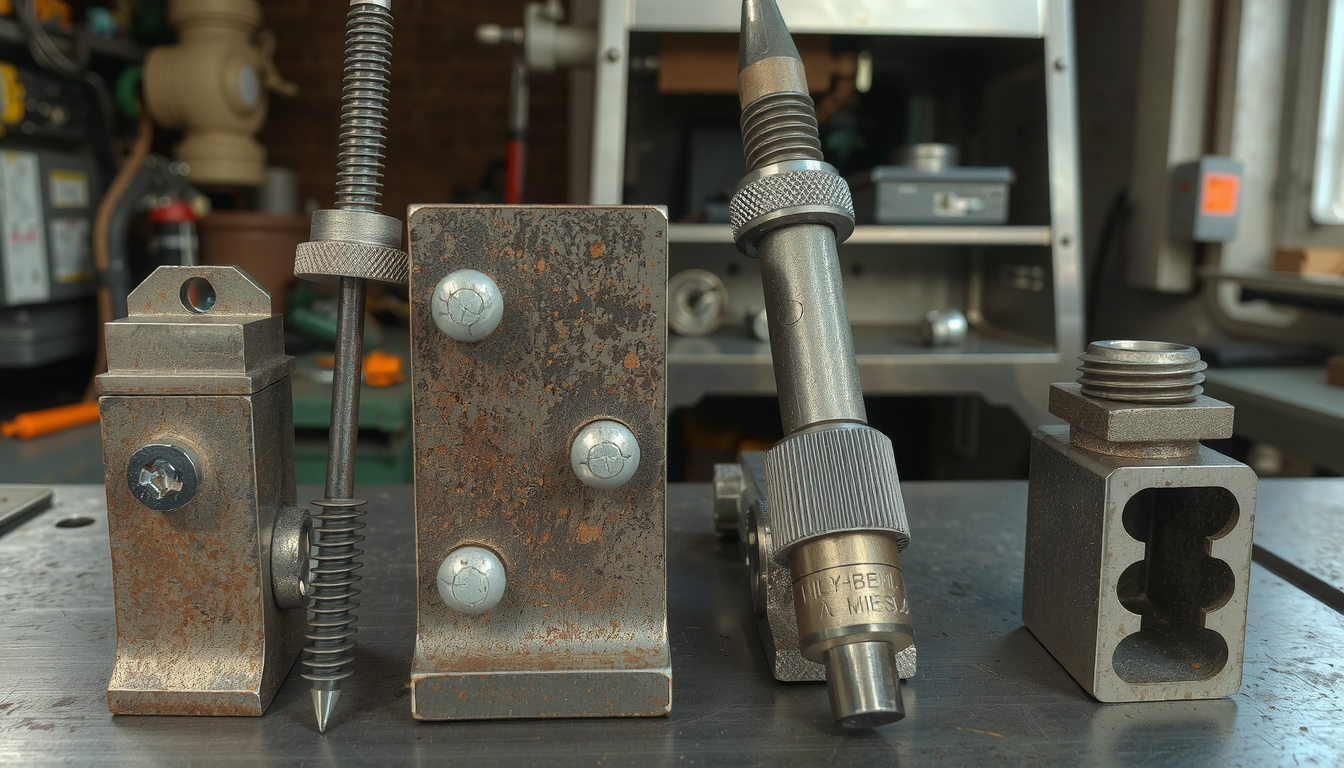
- Fasteners: Rivets, nuts, and bolts, the aged but trusted affirming for mechanical assembly. They make it strong and sometimes you may love it that way that you can take it apart after.
- Preparation is Key: For any technique, the metal surfaces first must be clean and prepared correctly.
- Choose the Right Method: The preferred method for joining your sheet metal depends on the needs of your project for strength, appearance, and whether it should be removable or not.
When and Why to Choose a No-Weld Solution
In many situations, connecting metal sheets without the use of welding is a smart move. Identifying the reasons will give you the confidence to choose the right technique. It’s not about whether you have a welding machine. Often, it’s about making a better fit.
Here are the top reasons to choose a no-weld solution:
- Avoid Heat Damage: Welding generates a lot of heat. It could end up warping thin metals, messing up paint or causing damage to plastic and electronic parts that are close by.
- No Special Gear or Skills Needed: The welding machine is expensive. Besides that, you shall need a lot of practice to get it done well. Conversely, no-weld techniques are remarkably user-friendly!
- Joining Different Materials: For instance, welding aluminum with steel isn’t as easy as it sounds. However, with a simple tool or glue, you can combine almost anything.
- Need for Reassembly: Using bolts and screws gives you an option of getting the items apart to fix or change them. Joints done by welding are forever.
- Aesthetic Consideration: Adhesives can create a perfectly smooth, hidden bond. With them, there will be no weld bead to remove or hide by grinding.
Method 1: Glue Bonding – The Modern “Liquid Weld”
Glue bonding is a reliable approach to metal joining. Forget simple craft glue. Modern structural glues are amazing materials. They give birth to very light but strong metal frameworks used in planes and cars.
Introduction to Structural Glues
The structural glue of today is far beyond being a simple adhesive. It creates far more than surface bonds; it creates load-bearing bonds. It is common practice in modern cars to use this type of glue together with spot welds. These additional bonds strengthen, eliminate rattles and eventually make the car lighter. In proper use, adhesives can make a joint as durable as welding because they share the strain on a greater area. Thus, they are not so concentrated on a single line. This is why they are suitable for bonding sheet metals without the need for welding.
Choosing Your Glue: A Breakdown of Types
Picking the appropriate glue is the magic that can turn a good joint into a great one. Different types have different strengths. The following is a simple breakdown to help you choose.
| Adhesive Type | Lo mejor para | Cure Time | Fuerza | Flexibilidad |
|---|---|---|---|---|
| Two-Part Epoxy | Strong, rigid bonds. Filling small gaps. | 5 mins to 24+ hrs | Very high | Bajo |
| Structural Acrylic | Auto body panels, high-impact jobs. | 15 mins to 1 hr | Alta | Medio |
| Polyurethane | Where dissimilar materials are used and in outdoor applications. | 1 hr to 24 hrs | Medium-High | Alta |
| High-Bond Tape | Trim, emblems, non-structural panels. | Instant | Medio | Alta |
The untouchable champions in the strength league are the two-part epoxies. Those are the fast ones, curing within 5 minutes that are used for minor repairs or the 24-hour curing time ones that are used for maximum bonding strength.
The structural acrylic is also known as a panel bonder. Auto repair shops make use of them. They are durable and handle impacts like a pro. They also perform well with wider gaps between the coupled panels.
Polyurethanes are more flexible. This is the main advantage of the poly when it comes to two materials that grow at different rates. For example, aluminum to plastic.
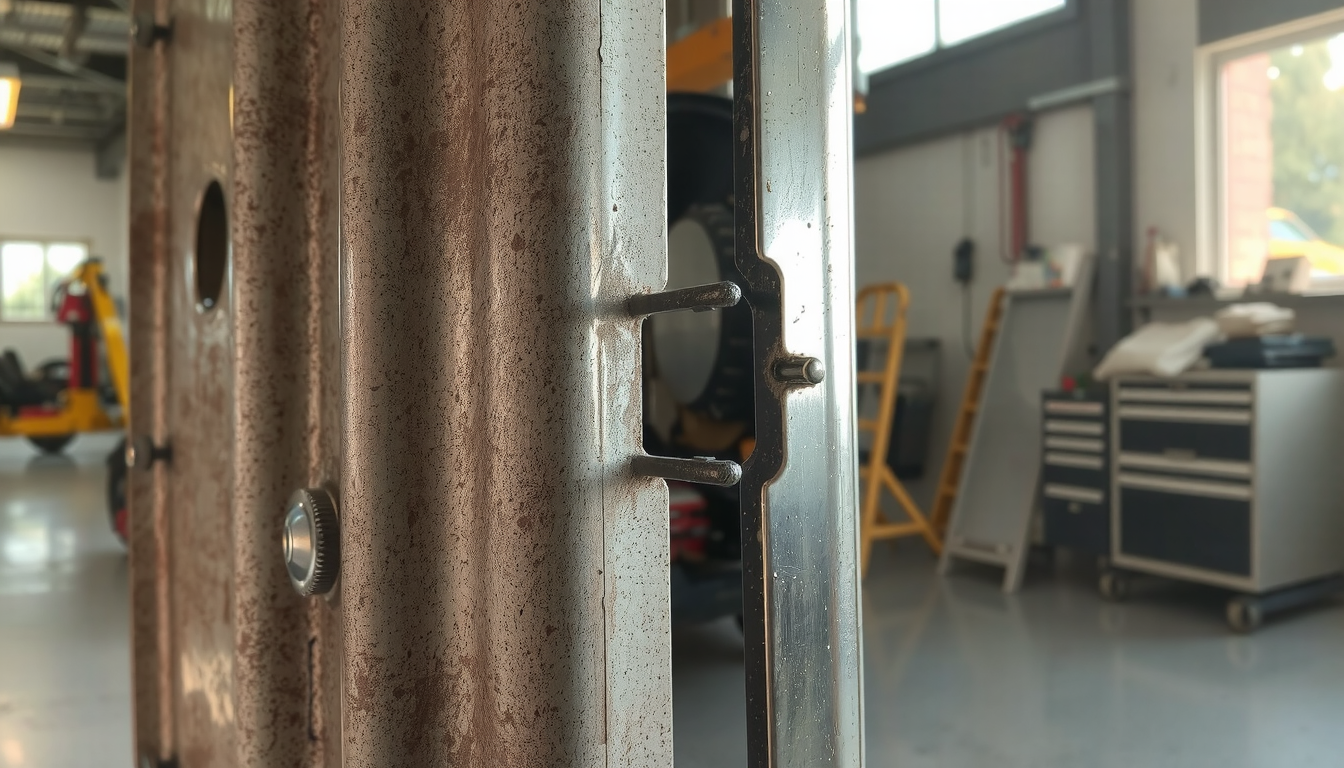
High-bond tape, such as 3M VHB tape, is double-sided foam tape. It is instant and it creates a clean bond for light-duty applications like trim or sign attachment.
Step-by-Step Guide to Glue Bonding
Achieving a strong bond using adhesive is all about taking the right steps. Rushing the process is the number one reason for failure, especially the prep work.
1. Surface Preparation is Everything
This step is the most crucial one. The glue needs to attach to the metal, not to dirt, oil, or paint.
To start with, cleaning the surface is done by soaking it with a grease remover like acetone or rubbing alcohol. Use a clean cloth and wipe in one direction only.
Next, you have to roughen the metal. Use a sandpaper that is 80-grit to do the job. Sand the bonding area to the point you can see tiny scratches. That’s what you are looking for the glue to catch onto. Scuffing the right way should give the surface a dull, cloudy look. This “mechanical key” is the essence of a strong hold. Finally, make a last cleaning to clear off any sanding dust from the surface.
2. Applying the Glue
If you are using a two-part glue, combine it well on some clean disposable surface like a piece of cardboard. Stir it smoothly, without whipping. If you whip it, air bubbles can get trapped and weaken the bond.
Apply a thin, even layer of glue to one of the surfaces. You don’t need a huge amount. A consistent bead is more important than a thick one.
3. Clamping and Curing
Align the two pieces of sheet metal and firmly press them together. Use clamps to hold the pieces in their respective positions while the glue cures. The clamping process’s main goal is to keep the parts from moving. Do not squeeze them so much that all the glue is pushed out. Use scrap wooden pieces under the clamps to distribute the pressure evenly.
Patience is all that is needed. The glue needs to be cured for the full time recommended on the manufacturer’s packaging. Do not rush it, even if it feels solid. Only after the full cure time is the full strength of the bond reached.
Method 2: Mechanical Fasteners – The Tried-and-True Connection

Mechanical fasteners are another great alternative for joining sheet metal without welding. The category consists of rivets, bolts, and screws. These are all known to form a solid physical lock between two metals.
Riveting: The Permanent Mechanical Bond
A pop rivet is among the best fasteners available. It allows you to join metal plates together even if you can reach just one side. This makes it a popular choice for all kinds of sheet metal work.
Rivet fasteners are excellent at creating a permanent joint that doesn’t get loose from vibration. This is important in places like race cars and planes where the rivets are used. For many jobs, this quick and easy method of joining metal is a breeze for anyone who cares to learn.
How to Install a Rivet (Step-by-Step):
1. Take the two metal sheets and bring them together. Then secure them by clamping them together so they can’t move.
2. Drill a hole through both sheets. The drill bit has to be the same size as the rivet. If the hole is too big the joint will be weak.
3. Insert the rivet into the hole.
4. Use a pop rivet gun to pull the stem (the long, thin part). The gun will pull the stem, which expands the back of the rivet. This locks the sheets together. The stem will then snap off with a “pop.”
Nuts and Bolts: The Removable Solution
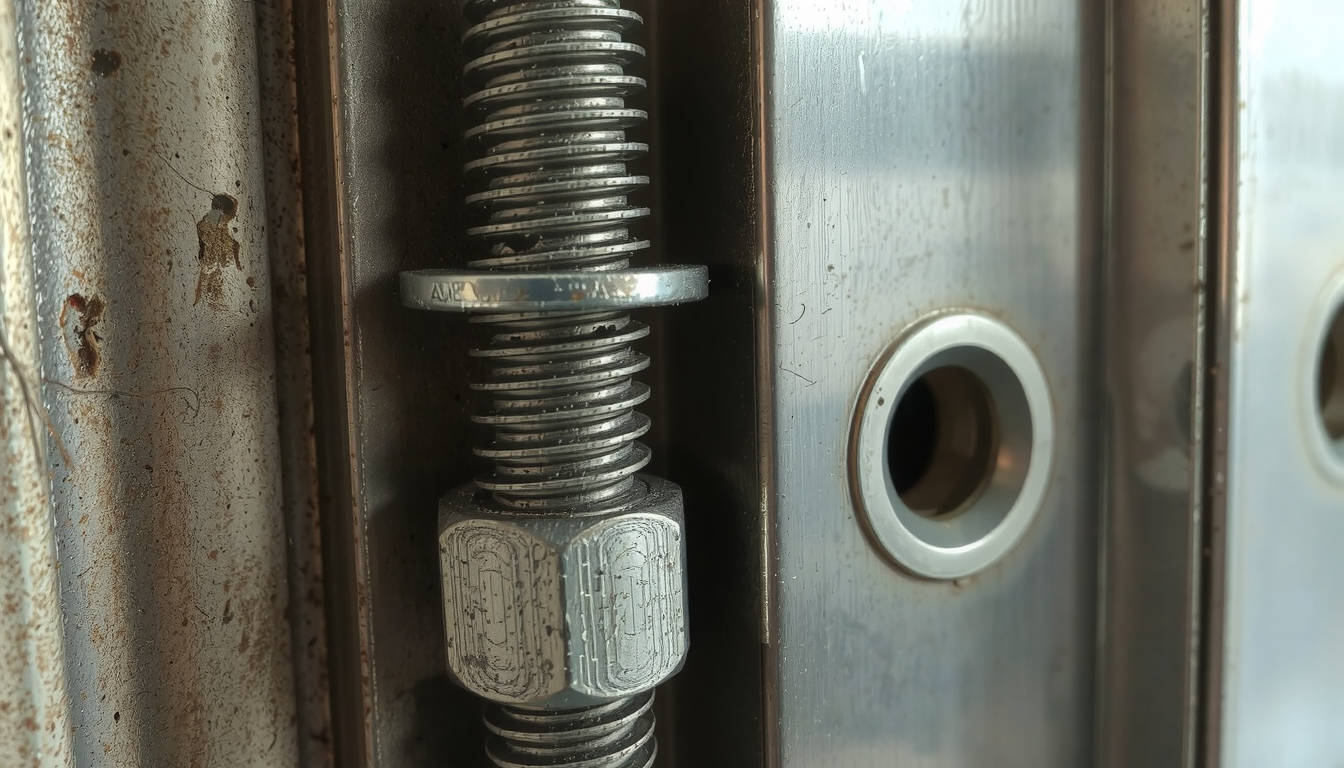
Using nuts and bolts is the most robust removable method for joining sheet metal. This is the best choice if you are planning to disassemble the construction for maintenance in the future.
This method works best for thicker sheet metals or when connecting a sheet of metal to a frame. For a part that is under a lot of stress, always prefer bolts.
A pro tip would be to add washers both under the bolt head and the nut. A flat washer will help to distribute the clamping force and protect the metal. A locking washer or a nylon-insert locknut is a good option for preventing the nut from getting loose from vibration.
When connecting high-precision parts, like those made by professional Servicios de torneado CNC, it is of paramount importance to select the correct grade and size of the bolt. This makes the joint as reliable and strong as the parts themselves.
Sheet Metal Screws: The Quick Fix
Sheet metal screws are made to cut their own threads into thin metal. They are quick and easy to use.
These screws are generally used for light-duty, non-structural applications. An example of this is attaching a thinner panel to a more-robust one or joining HVAC ductwork. Speed is their primary advantage.
Just be careful. Sheet metal screws can strip the hole if overtightened, especially in thin metal. They are not as strong as rivets or bolts and can loosen more easily with vibration.
Decision Matrix: Choosing the Right Method
With multiple options available, how do you find the most effective way to join sheet metal for your project? The “best” method is usually based on your specific needs. To help you find the best application, this chart contrasts the techniques across key criteria.
| Método | Fuerza | Vibration Resistance | Removable? | Herramientas necesarias | Aesthetics | Best For (Example) |
|---|---|---|---|---|---|---|
| Epoxy/Adhesive | Muy alta | Excelente | No | Spreader, Clamps | Hidden | Patching a car panel |
| Rivets | Alta | Excelente | No | Drill, Rivet Gun | Visible Head | Assembling a trailer frame |
| Bolts & Nuts | Muy alta | Good (with lock nuts) | Yes | Drill, Wrenches | Visible Head/Nut | Mounting a seat bracket |
| Sheet Metal Screws | Bajo | Pobre | Yes | Drill, Screwdriver | Visible Head | Attaching HVAC ducts |
In essence: For the best strength and an invisible finish, use structural glues. For a strong joint that you can take apart, use nuts and bolts. For a fast, strong, and permanent connection, use rivets.
Beyond the Basics: Other Notable Techniques
While glues and fasteners are the major methods for bonding sheet metals without welding, a few other techniques are worth learning.
Brazing and Soldering
Brazing and soldering are two processes where a filler metal is used to combine two pieces of metal. The filler metal used here has a lower melting point than the base metal, so the sheet metal itself does not melt. This is not welding, but it does use heat from a torch.
These methods are excellent for creating waterproof or airtight joints. They are commonly used in plumbing for connecting copper pipes. They are also used in electronics where delicate components are joined.
Mechanical Interlocking
This is a “cold-forming” process by which the metal is bent, folded, or stamped to lock together. The most common forms are hemming and clinching. A hem is when you fold the edge of a sheet over onto itself or another sheet. Clinching uses a special tool to punch and form the metal, creating a small button-like lock.
This method is commonly used to produce parts, such as appliance bodies and ductwork. While it is mostly done using specialized industrial machinery, it is a good idea to know how these strong, fastener-free joints are made. There are several other alternatives to welding such as brazing which have their unique advantages for various tasks.
Conclusion: Your Path to a Successful No-Weld Bond
Gaining the skill to bond sheet metal without welding is like entering a new universe of projects that you can do. You are no longer bound by expensive machines or by specialized expertise. Be it fabricating custom car parts or forming beautiful metal art, these methods show you how to make strong, lasting connections.
The key to success is simple: choose the right method for your specific project and pay close attention to surface preparation. Use the decision matrix in this guide to help you choose wisely. With a little practice, you’ll be joining sheet metal like a pro.
For projects that are beyond a DIY scope or need certified strength and precision, it’s always best to talk to experts. A professional fabrication company like MekaLite can use their industrial equipment and expertise to turn your concept into a reality.
Frequently Asked Questions (FAQ)
1. Can you really glue sheet metal together as strong as a weld?
Yes, in some cases, a structural glue bond can be as strong as or stronger than a weld. Glues spread the load over the entire bonded area, while a weld concentrates stress along a line. For joints with a large surface area (lap joints), glues excel. For a direct edge-to-edge joint (butt joint), welding is usually stronger.
2. What is the best method for joining thin aluminum sheet metal?
Riveting and glue bonding are both great for thin aluminum. Welding thin aluminum is very difficult and often causes warping. Rivets create a secure mechanical lock that won’t fail from heat. Glues, especially a flexible polyurethane or a panel bonder, create a strong, seamless bond that is also waterproof.
3. Do I need to remove paint before bonding sheet metal?
Yes, always. You must prepare the surface down to the bare, clean metal. Glues get their strength from a direct bond with the metal. If you bond to paint, the joint will only be as strong as the paint’s bond to the metal, which is often very weak.
4. How can I bond sheet metal for an outdoor project?
For outdoor projects, you need weather resistance. Stainless steel or galvanized nuts and bolts are an excellent choice. If using a glue, you must choose a marine-grade epoxy or a polyurethane. It should be specifically rated for UV exposure and water resistance. This will prevent the sun and rain from weakening the bond over time.
5. What’s the easiest way to bond sheet metal without welding for a beginner?
For a total beginner, the easiest methods are using a pop rivet gun or sheet metal screws. A rivet gun is simple to use and creates a very secure joint with just a few steps. For very light-duty tasks, self-tapping screws are even quicker, only requiring a drill. Using a two-part epoxy with a 5-minute cure time is also very simple and requires no special tools.
