



When you’re on a hunt for who sells sheet metal near me for a DIY project, the correct answer depends on your project. Do you need to buy a single metal sheet for a simple patch? Or do you have an extensive construction job and need many sheets? The choice of the source affects the price, available stock, and services provided.
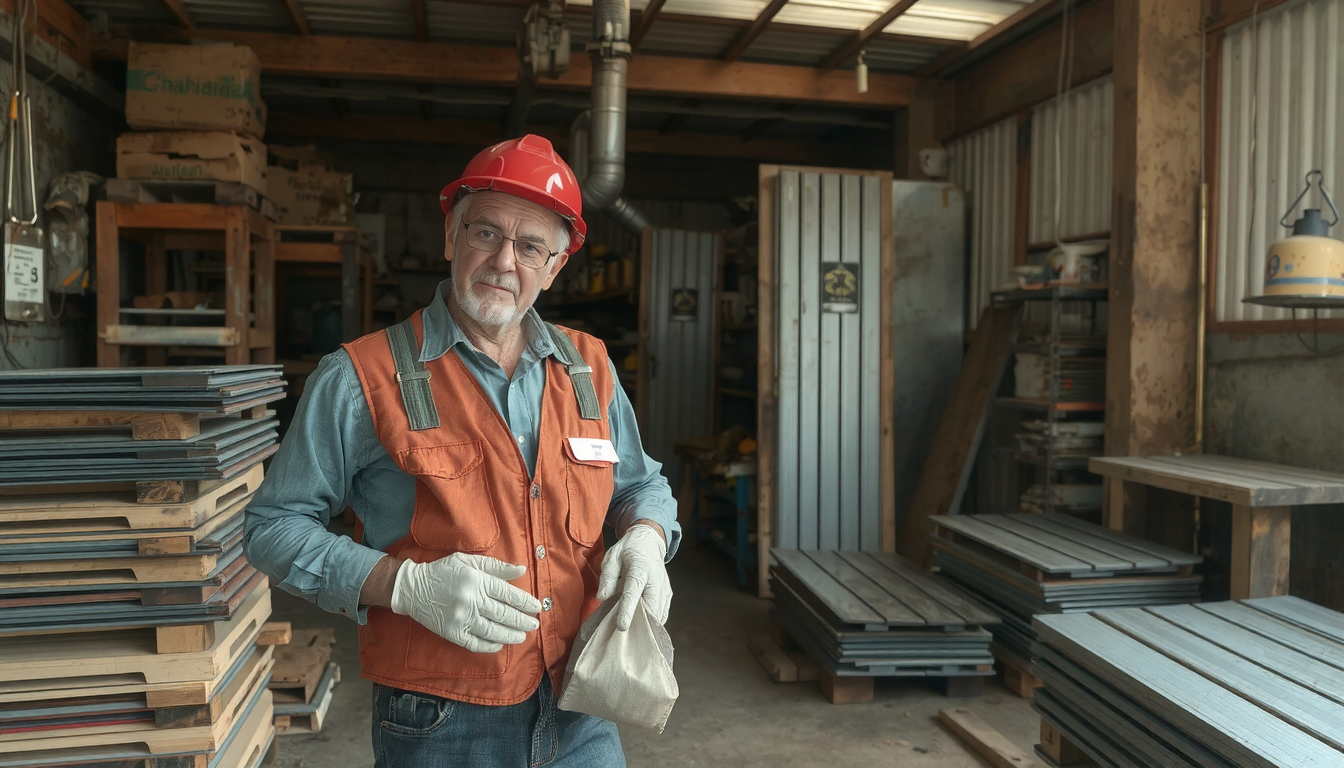
This guide will reveal the right types of suppliers to buy from. We will cover the main types of suppliers, including big-box stores and metal supermarkets. We also cover industrial distributors and custom fabricators. Finding the right local sheet metal supplier is the first step to a successful project.
The 4 Main Types of Local Sheet Metal Suppliers
Your search for a local sheet metal vendor will lead you to four main types of businesses. Each sells to a specific type of customer. When you are aware of their purpose, it becomes easier to select the fitting vendor. This saves you time and money.
1. Big-Box Home Improvement Stores
Stores like Home Depot and Lowe’s are a common first stop. These chain stores are easy to find and open to everyone.
These shops are best for very small jobs or quick fixes. They typically stock small, pre-cut sheets of common metals like aluminum and light-gauge steel. This makes them perfect for a hobbyist or for a quick patch.
The two main benefits are convenience and no minimum order size. However, the selection is very limited, and the price per square foot is generally much higher than at a specialized metal supplier. You will only find standard sizes.
2. Specialized Metal Supermarkets
For many people, the best answer to “who sells sheet metal near me” is a specialty store. These are a great middle-ground option for nearly all projects.
They serve both individuals and small businesses. These stores stock a huge variety of metals, including different types of steel, aluminum, stainless steel, and more. A key advantage is that they have no minimum order, so you can buy only what you need.
Most importantly, specialty suppliers like Metal Supermarkets offer cut-to-size services. Their staff is also very knowledgeable and can help you find the right material. Prices may be a bit higher than buying in bulk, but the service and selection are worth it.
3. Large Industrial Metal Distributors
These businesses are the wholesale giants of the metal industry. They supply metal to large manufacturing companies, construction firms, and fabrication shops.
If you need a significant amount of sheet metal, this is where you will find the best prices. They have a massive inventory. They can also provide material certifications, which are documents that prove the metal’s quality and origin.
The main drawback is that they have high minimum order requirements. You might have to buy a certain weight or a full bundle of sheets. Large distributors such as Alro Metals may also not be set up to sell to the general public.
4. Sheet Metal Fabrication Shops
Fabrication shops are businesses that build things from sheet metal by cutting, bending, and welding it. While their main business is making things, many shops will also sell raw material. This is a great choice if your project requires more than just a flat piece of metal. They can sell you the sheet and also perform the cutting or bending that you need.
The staff offers expert advice on how to build your project. The material cost could be somewhat higher if you are not also paying for a fabrication service. For projects that require turning a design into a real part, these experts specialize in fabricación de chapa metálica. They turn your concepts into finished parts.
Choosing the Right Supplier: A Comparison Table
To make your choice easier, here is a simple table that compares the different places that sell sheet metal. You can use it to quickly find the best type of supplier for your project.
| Supplier Type | Lo mejor para | Selection | Precios | Minimum Order | Services (e.g., Cutting) |
|---|---|---|---|---|---|
| Big-Box Store | Small DIY projects, quick repairs | Very Limited | Alta | Ninguno | Ninguno |
| Metal Supermarket | Hobbyists, small businesses, prototypes | Wide Variety | Moderado | Ninguno | Cut-to-size |
| Industrial Distributor | Large-scale projects, manufacturing | Very Large | Low (in bulk) | Alta | Sometimes (for bulk orders) |
| Fabrication Shop | Custom parts, projects needing cutting/bending | Varía | Moderado a alto | Usually None | Cutting, bending, welding |
Before You Buy: Key Sheet Metal Factors to Consider
Knowing where to go is only half the battle. You also need to be aware of what to ask for. Understanding certain facts about sheet metal can greatly help you buy the right material and avoid costly mistakes.
Common Types of Sheet Metal and Their Uses
Different metals are used for different jobs. The following are the most common ones you will encounter.
- Steel (Hot-Rolled & Cold-Rolled): Hot-rolled steel is cheaper and has a rough, scaly surface. Cold-rolled steel is smoother and has more exact dimensions. Steel is strong and is used for car parts, building frames, and machinery.
- Galvanized Steel: This is steel with a protective zinc coating. The zinc stops rust, which makes it great for outdoor uses, roofing, and HVAC ducts.
- Acero inoxidable: This metal resists rust and stains. Its clean look makes it perfect for kitchen counters, food equipment, medical tools, and modern building designs.
- Aluminio: Aluminum is very light and does not rust. It is used in airplanes, boats, road signs, and trailers. It is easy to cut and shape.
- Copper & Brass: These metals are known for their beautiful colors. Copper is reddish-brown, and brass is a golden yellow. They are often used for decorative art, roofing details, and electrical wiring.
Understanding Gauge, Thickness, and Dimensions
When purchasing sheet metal, you need to specify its thickness. This is done using a number called “gauge.”
The gauge system can be confusing. A smaller gauge number means a thicker and stronger sheet of metal, while a larger gauge number means a thinner sheet.
For instance, 16-gauge steel is thicker and heavier than 22-gauge steel. If you’re ever in doubt, it is best to tell the supplier the thickness you need in inches or millimeters. Always remember to provide the full dimensions: Length x Width x Thickness.
A Practical Checklist: What to Ask When You Call
Once you have found a potential local sheet metal supplier, it is time to contact them. Having a list of questions ready shows you are prepared and helps you get all the information you need. This checklist is what professionals use.
Your Pre-Purchase Checklist
Use these questions to make sure there are no surprises.
- Availability: “Do you have a [specific size, e.g., 4-foot by 8-foot] sheet of [specific material, e.g., 18-gauge cold-rolled steel] in stock?” Being specific saves time.
- Pricing: “How do you price this material? Is it per sheet, per pound, or per square foot?” Prices can vary, so this is a crucial question.
- Minimum Order: “Do you have a minimum order amount? This could be in dollars or quantity.” This helps you know if a supplier is right for your small project.
- Cutting Services: “Can you cut the material to my exact sizes? What is the charge for cutting?” Most places charge for cuts, so get the cost upfront.
- Cut Tolerance: “What is your cutting tolerance?” This means how exact the cut will be (e.g., plus or minus 1/16 of an inch). It is important for parts that need to fit perfectly.
- Remnants/Off-cuts: “Do you sell smaller leftover pieces, called remnants? Do you sell them at a discount?” This is a great way to save money on small projects.
- Pick-up & Delivery: “What are your hours for customer pick-up? Do you offer delivery? What is the cost?”
- Payment: “What types of payment do you accept?” Some smaller shops may not take credit cards.
Beyond Suppliers: When You Need Fabrication
Sometimes, your project requires more than a flat sheet of metal. You might need it bent into a specific shape, have holes punched in it, or have pieces welded together. This is where fabrication services come in.
Finding a place that both sells and shapes metal can save you a lot of hassle. Instead of buying material at one place and taking it to another, you can get everything done at once. As detailed by sheet metal fabricators in major hubs like Chicago, this process turns flat metal into complex 3D parts for any industry.
Comprehensive Machining Capabilities
For more complex projects, you may need parts that are not made from sheets, such as round rods, custom bolts, or other precision components.
Finding a one-stop shop with a full range of manufacturing tools is a huge advantage. Some advanced shops provide a full suite of manufacturing solutions. They can form sheets and do precision work like Servicios de torneado CNC for creating custom cylindrical parts. This ensures all your components fit together perfectly.
Putting It All Together: Your Next Steps
You now have the knowledge to confidently answer the question, “who sells sheet metal near me?” The process is simple.
First, identify your project’s needs. What metal do you need? What thickness? What size? Second, use our comparison table to choose the right type of supplier for your job. Third, use the pre-purchase checklist when you contact them. This will help you get clear and complete information. You are now ready to source your material like a pro.
For any project, from simple material sourcing to complex assemblies, partnering with an experienced team is key. At Mekalite, we pride ourselves on providing both high-quality materials and expert fabrication services to bring your vision to life.
Frequently Asked Questions (FAQ)
1. Can I buy just one small piece of sheet metal?
Yes, you absolutely can. Your best options are specialized Metal Supermarkets, as they have no minimum orders. You can also ask local fabrication shops if they have a “remnants” or “off-cuts” bin, which are leftover pieces from larger jobs sold at a discount. Big-box hardware stores also sell small, pre-cut sheets for hobbyists.
2. What’s the cheapest type of sheet metal?
In general, hot-rolled carbon steel is the most inexpensive sheet metal available. However, be aware that it has a rough, scaly surface and will rust quickly if not painted or coated. Metal prices change daily based on the market, so you should always ask for a current price quote from a supplier.
3. How is sheet metal thickness measured?
Sheet metal thickness is measured by “gauge.” The system is a bit unusual because a lower gauge number means a thicker piece of metal. For instance, 16-gauge steel is thicker and stronger than 22-gauge steel. If you are ever unsure, it is a good idea to specify the thickness you need in inches or millimeters to avoid confusion.
4. Do I need a special vehicle to pick up sheet metal?
It depends on the size of your order. A small piece can easily fit in a car. However, for full sheets (often 4-foot by 8-foot or 5-foot by 10-foot), you will need a truck or a large trailer. Sheet metal is heavy and has very sharp edges, so always wear heavy gloves and make sure you have strong straps to safely secure the material for transport.
5. What’s the difference between a supplier and a fabricator?
A supplier is a business that primarily sells raw materials, including full sheets, bars, and tubes of metal. A fabricator is a business that takes those raw materials and performs work on them—such as cutting, bending, and welding—to create a finished part or product. Many companies do both, but knowing the difference helps you find who sells sheet metal near me for your exact needs.
