



So, how much is sheet metal? It is a very simple answer: prices can be from $10 for a small, standard panel to more than $1,000 for large or specialized sheets. The extreme price fluctuations of such goods take us to the complexity in determining the price, which is influenced by various factors.
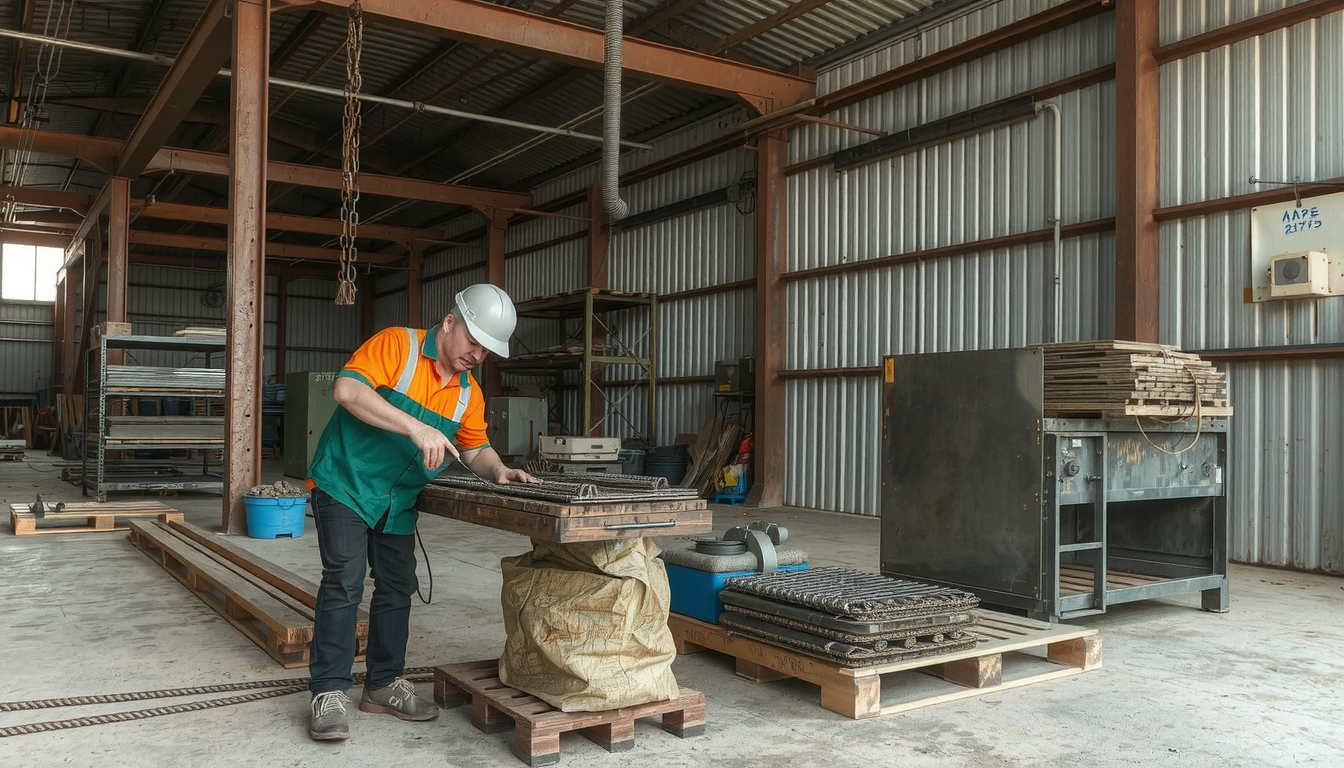
The cost of sheet metal is highly variable. You will find the material is more or less expensive depending on the type, thickness, as well as the size of the sheet and any particular finishes. The workload taken to fabricate your final part is another determinant. Therefore, budgeting for your project correctly requires you to learn the factors that affect the costs.
This guide presents a comprehensive analysis of the above-mentioned variables. We will identify the things that are responsible for the pricing. Furthermore, we will guide you in making an educated guess on what you will need for different projects. Getting to know these factors is the gateway to getting a firm cost from a provider to do a job, such as Mekalite.
The 7 Nail Factors That Decide Sheet Metal Cost
The phrase you often hear when people ask “how much does sheet metal cost?” is the phrase “It depends”. Several price factors come into play. They impact both the sheet metal as a raw material and to any work done to it. What are they? Let’s list them out.
1. Type of Material (The Major Driver)
The type of material you are going to select is the chief factor in determining your total cost. Like carbon steel, certain common metals are pocket-friendly. However, incredibly unique alloys or metals, such as copper are expensive. For instance, all the same family grades of metal come at different prices. A case in point, stainless steel grades 304, and 316 are priced quite differently thanks to their different components.
2. Thickness (Gauge)
The gauge evaluates the thickness of the sheet metal. To your reference, a lower gauge number means a sheet is thicker and heavier. Therefore, a thick sheet will need more raw materials which means it will cost a lot. For instance, a 10-gauge steel sheet is very thick compared to a 22-gauge sheet, and naturally, this means it adds more to the total cost. The alternative of using a chart can often eliminate the difficulties associated with this gauge system. You can take a look at the Sheet Metal Gauge – CableOrganizer for more clarity.
3. Sheet Size and Quantity
Sheet metal is commonly sold in standard sizes which are usually cheaper than custom sizes. Some common sizes available are 4 feet x 8 feet (4’x8′) or 5 feet x 10 feet (5’x10′). Ordering the sheets in these standard sizes instead of a custom-cut one is more economical. Bulk purchasing can give you an even lower price per sheet. For instance, price breaks on a larger quantity ordered.
4. Finish and Coatings
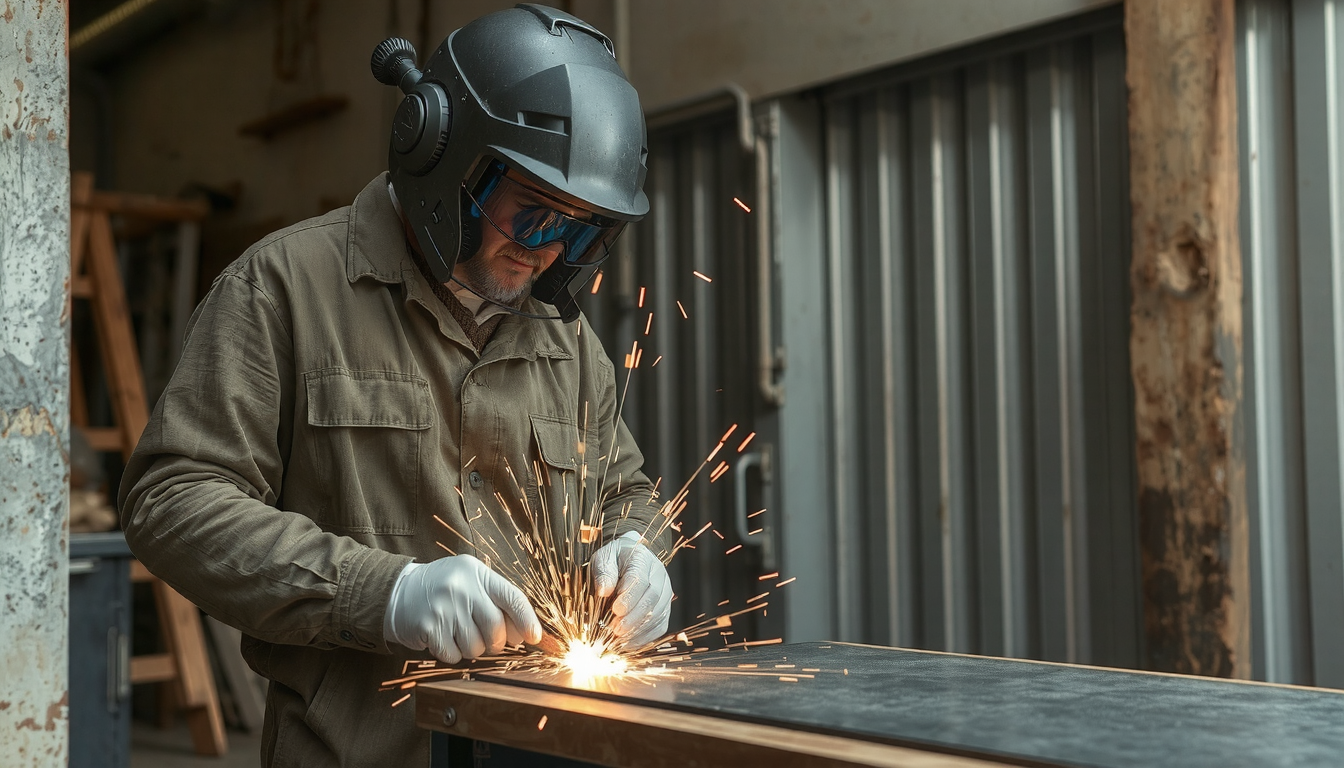
The least expensive option is the original mill finish sheet if you are looking for an unfinished product. Required physical appearance or the extra need for a functional coating will cost you more. Surface finishes, such as brushed or polished need extra processing. Galvanizing coatings, on the other hand, are also considered in the addition of the final price. Galvanizing is a zinc coating that prevents rust. Painting also increases costs.
5. Market Conditions
Metal prices experience fluctuations on a daily basis. They are commodities traded on a global market. Supply, demand, and world events can all affect prices. This means that the amount of “how much does sheet metal cost” can be different from one week to another.
6. Supplier and Location
The source from which you buy your metals makes a difference. The prices may vary from that of large national suppliers compared to local metal shops. Online stores will also have different prices. While local suppliers may have greater overhead expenses, they can save transportation costs significantly. They will offer a relatively small shipping quote than the online retailers, who observe zero base prices.
7. Fabrication and Complexity
The cost of the raw sheet is just the start. If you need that sheet cut, bent, welded, or assembled into a part, these services add to the cost. These services are a huge part of the total project cost. The more complex your part, the more it will cost to make.
Price Breakdown: How Much Does Sheet Metal Cost by Type?
To give you a better idea of what to expect, we’ve put together a table. It shows estimated prices for common sheet metal types. These prices reflect the cost of the raw material per square foot. They are based on current market estimates. As seen in applications like roofing, material costs like these form the basis of project pricing. This is noted in this Metal Roof Cost And Price Guide For 2025. Keep in mind that these are just estimates.
| Metal Type | Average Material Cost (per sq. ft.) | Common Uses | Pros & Cons |
|---|---|---|---|
| Carbon Steel | $1.50 – $4.00 | Automotive panels, structural parts, enclosures | Pro: Strong, affordable. Con: Prone to rust without coating. |
| Stainless Steel | $4.00 – $12.00 | Kitchen appliances, medical equipment, architectural trim | Pro: Corrosion resistant, aesthetic. Con: More expensive, harder to machine. |
| Aluminum | $3.50 – $8.00 | Aircraft, marine applications, signage, roofing | Pro: Lightweight, corrosion resistant. Con: Less strong than steel. |
| Copper | $13.00 – $25.00+ | Roofing, plumbing, decorative elements | Pro: Excellent conductor, beautiful patina. Con: Very expensive, soft. |
| Brass | $10.00 – $20.00 | Musical instruments, decorative hardware, plumbing fittings | Pro: Low friction, corrosion resistant. Con: Expensive, heavy. |
In comparing the costs which these materials base on, you can easily see the price differentials. However, for any project, the final cost should include a lot more, such as fabrication. We will cover that right away. Knowing these costs serves as a foundation to you as you plan the outlay of your sheet metal project.
Beyond the Sheet: Factoring in Fabrication & Finishing Costs
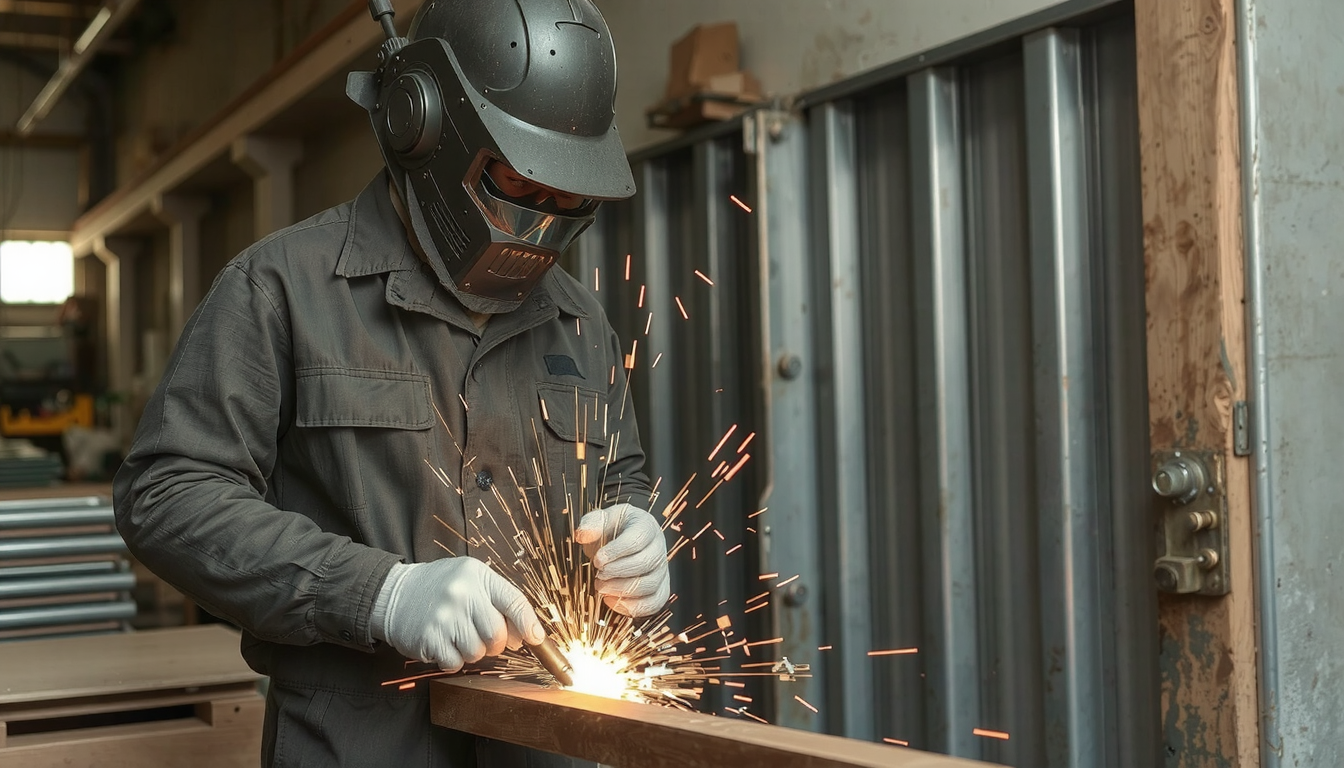
Understanding the raw material price is only half the battle. The true cost of your project comes from turning a flat sheet of metal into a finished part. From our experience as a fabrication shop, we know something important. These services often make up the bulk of the final invoice. Here is a breakdown of the common costs that come after you buy the sheet.
Laser Cutting / Waterjet Cutting
Cutting the sheet to your desired shape is the first step. The cost for laser or waterjet cutting is based on the time it takes the machine to do the job. This is affected by material thickness. Thicker is slower and costs more. The complexity of your design also matters. Simple, straight lines are very cheap. Intricate designs with many curves and small details will take longer. They increase the price.
Bending and Forming
If your part is not flat, it needs to be bent. Each bend adds cost. A machine operator must set up the press brake for each bend angle and location. A simple box with four bends is much cheaper than a complex chassis. A complex chassis might have a dozen bends at different angles. The more bends you have, the higher the labor and machine setup cost.
Welding and Assembly
Joining separate pieces of metal together is a labor-intensive process. Welding costs depend on the type of weld required. They also depend on the total length of the welds. A few small tack welds are quick and cheap. A long, continuous, and clean weld costs more. One that needs to be ground smooth afterward will add significant cost to your project. Assembly of multiple parts also adds to the labor time.
Finishing (Powder Coating, Anodizing, Painting)
After your part is cut and formed, it may need a finish. This could be for protection or for looks. Powder coating, painting, and anodizing are common finishing processes. Anodizing is for aluminum. Each adds another layer of cost for materials, labor, and machine time. The final finish is a key part of your project’s total cost.
For complex projects requiring multiple steps, a full-service provider can help. One specializing in sheet metal fabrication can manage the entire process. This goes from raw material sourcing to the finished product. While we focus on sheet metal here, related processes matter too. CNC lathe services are also a factor for projects involving machined components.
How to Estimate Your Sheet Metal Project Cost (Step-by-Step)
Estimating your total project cost can feel difficult. But you can create a good ballpark figure by breaking it down. Let’s walk through a simple example. We’ll fabricate a 24″ long x 12″ wide x 12″ high aluminum box from 16-gauge sheet metal.
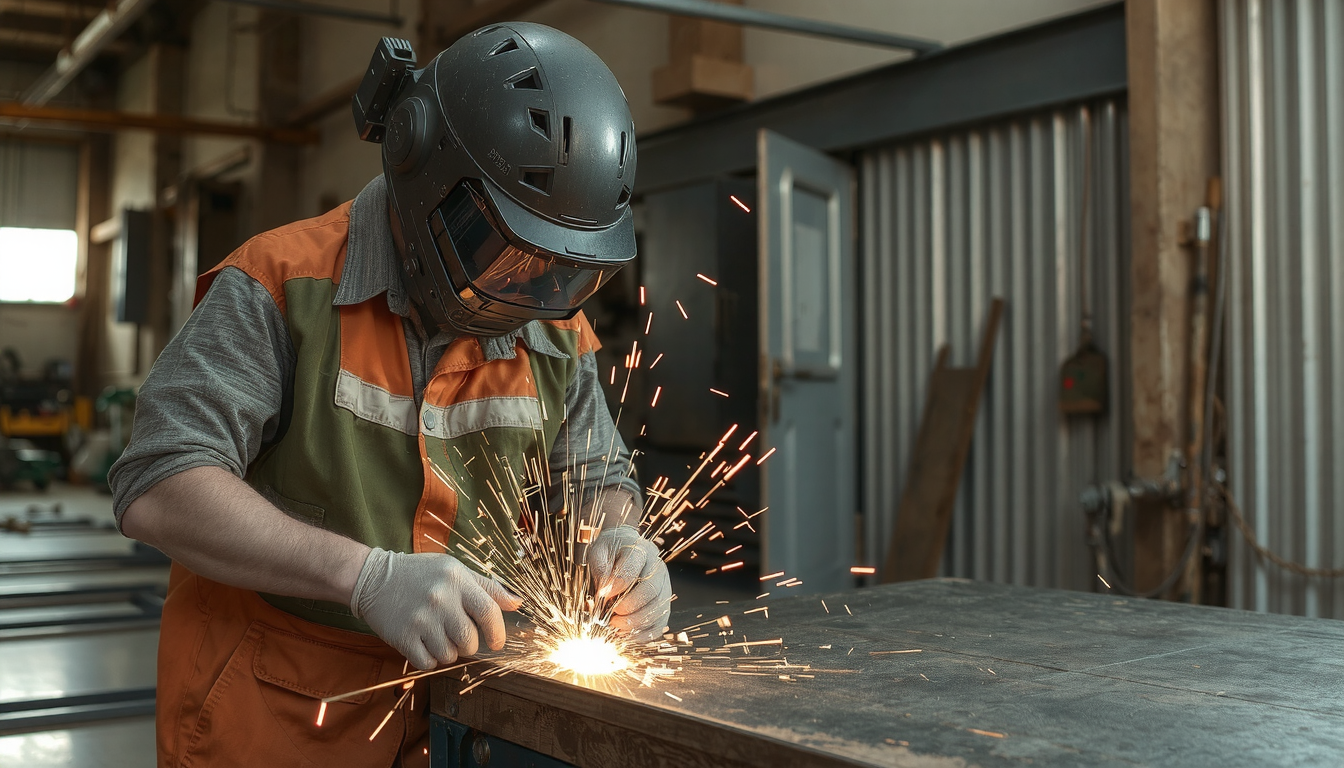
Step 1: Calculate Your Material Needs
First, figure out how much material you need. A box has six sides. We can “unfold” the box to see how it fits on a standard sheet. In this case, the parts could be laid out on a single 4’x8′ sheet. A smart layout minimizes waste and reduces your material needs.
Step 2: Estimate Raw Material Cost
Using our price table from earlier, 16-gauge aluminum might cost around $5.00 per square foot. A 4’x8′ sheet is 32 square feet. So, the raw material cost would be roughly 32 sq. ft. * $5.00/sq. ft. = $160. This gives you a baseline for your material.
Step 3: Add a Buffer for Waste
No process is perfect. You will have leftover material from cutting your parts out of the main sheet. These are called offcuts. It is also wise to plan for potential errors. We recommend adding a 10-15% buffer to your material cost. For our example, this adds about $16-$24.
Step 4: Factor in Estimated Fabrication Costs
This is the hardest part to estimate without a formal quote. However, you can use general numbers. Laser cutting might be billed at $50-$150 per hour. A simple job like this might only take 15 minutes of cut time. That’s $12-$38. Each bend might cost a few dollars. If the box needs welding, that adds more labor time. A rough guess for fabrication on this simple box could be $50 to $100.
Step 5: Don’t Forget Shipping and Handling
Finally, remember to account for getting the material to your door or shop. Freight costs for large, heavy sheets can be high. If you order from a local supplier, you might be able to pick it up yourself. This saves money. For our 4’x8′ aluminum sheet, shipping could add another $50-$100 or more. It depends on distance.
Pro Tips for Saving Money on Your Sheet Metal Purchase
Everyone wants to get the most for their money. With a few smart choices, you can significantly lower the cost of your sheet metal project. Here are our top tips for saving money.
- Design for Standard Sizes: Try to make your parts fit efficiently onto standard sheet sizes. Use sizes like 4’x8′ or 5’x10′. This reduces material waste. Avoiding custom-sized sheets also saves you from extra fees.
- Choose the Right Material for the Job: Do not over-spec your material. If your part will be painted and used indoors, affordable carbon steel is a great choice. You do not need to pay the premium for stainless steel. This is true if its anti-rust properties are not needed.
- Simplify Your Design: The biggest driver of fabrication cost is complexity. Reducing the number of bends helps. Use simple curves instead of complex ones. Minimizing welding will dramatically lower your price.
- Buy in Bulk (If Possible): If you know you will need a lot of material, buy it all at once. This works for large projects or multiple smaller ones. Suppliers almost always offer a lower price per sheet when you buy in larger quantities.
- Check for Offcuts or Remnants: Ask your local supplier if they sell offcuts. These are smaller, leftover pieces from larger jobs. They are often sold at a big discount. They are perfect for small brackets, plates, or art projects.
- Compare New vs. Scrap: For projects that are not structural, consider using scrap metal. You can find it at local recycling centers for a fraction of the cost of new material. Prices for scrap are much lower. This is shown by listings for Scrap Metal Prices in California. These highlight the potential savings.
