



Whether you are an architect, a handyman, or just someone who wants to fix a thing, using sheet metal screws is a very important skill that you should have. You can use this kind of screw to connect very thin metal to itself, or even to other materials like wood and plastic. This article will tell you the tips and procedures of doing it right.
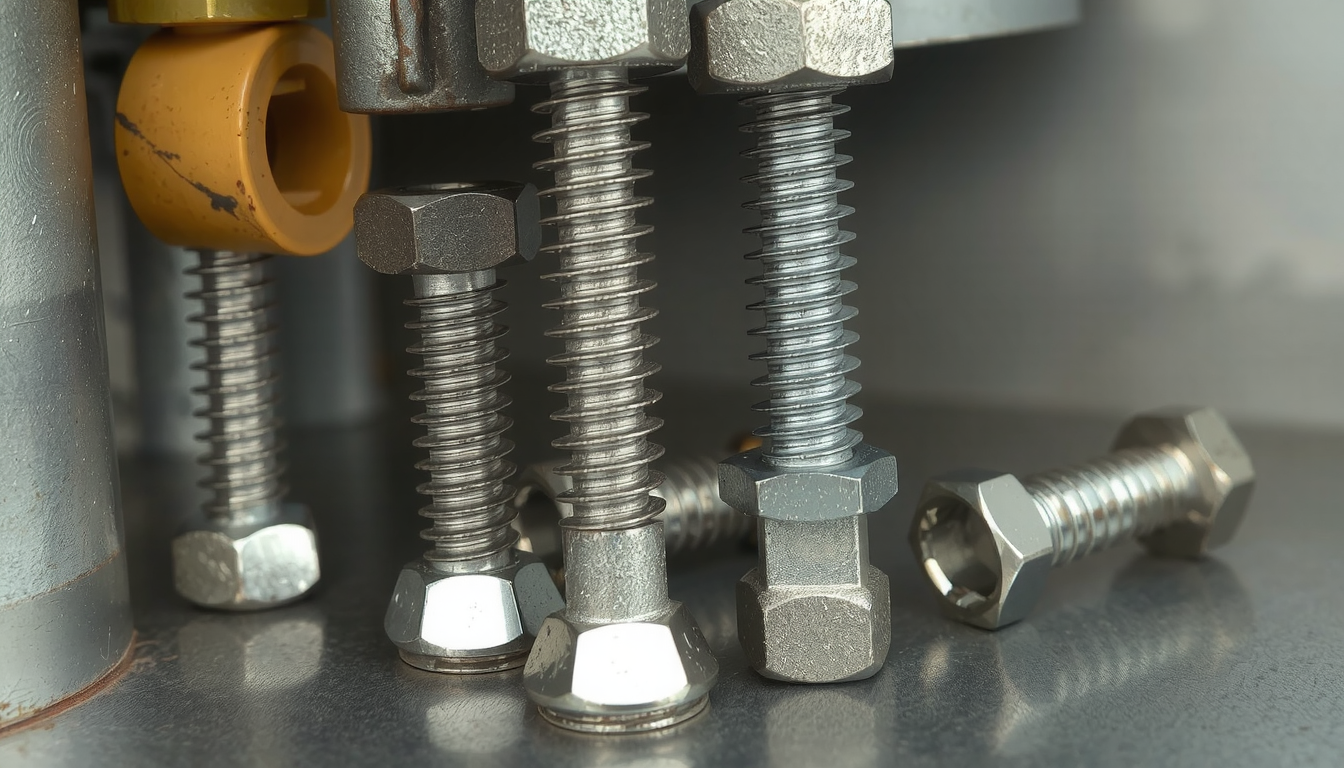
A sheet metal screw is a different type of fastener which is particularly made to screw into sheet metal. They come with a sharp thread pattern, as well as a sharp point. Because the screw can cut the metal and also form its own threads by driving it into the material, they do a good job. Because of that, the screws connect everything securely.
The basic procedure is straightforward. You only need three elements to carry it out. First of all, you will be selecting the right screw according to your specifications. Second, you will be preparing your materials correctly. Last, you will drive the screw for a solid hold.
In this guide, you will find everything that you need. We are going to cover such topics as selecting the right screw, using the right tools, and correcting common mistakes. As professionals in custom metalwork and sheet metal fabrication, we appreciate the fact that, to achieve a professional standard, the right fastener is paramount.
Realizing Your Fastener First: Sheet Metal Screw Insights
Though you might think of dealing with screws, having enough knowledge of fasteners will be beneficial. Understanding fasteners will help prevent confusion with the different kinds of screws. It will help you learn the reason for which you should choose a certain screw. Thus, you will have better results. As you learn how to use sheet metal screws, you should first know the tool itself.
What Is the Unique Feature of a Sheet Metal Screw?
Sheet metal screws are unique due to their characteristics. They feature deep and sharp threads throughout the entire shank. They also have sharp points.
The operation of these screws is done through a process called tapping. As you insert the screw into the metal, the sharp threads cut and form a matching track in the material. Hence, you get the perfect grip.
Self-Tapping and Self-Drilling Screws: Which One to Use?
Self-tapping and self-drilling screws are frequently mistaken. They perform different functions. Distinguishing them is critical in acquiring the skills to use sheet metal screws flexibly.
A self-tapping screw is the one that gets to form its threads. But this screw type typically must have a pre-drilled hole. This is known as a pilot hole. It is applicable to most materials but not to very thin metal sheets.
A self-drilling screw, on the other hand, is a different type. It has a unique shaped point that looks like a drill bit. This tip provides two functions: it drills a hole and also taps the threads at the same time. You do not need a pilot hole for these screws. They are more frequently known as Tek® screws.
The table is below, showing these differences:
| Feature | Self-Tapping Screw | Self-Drilling Screw |
|---|---|---|
| Point Type | Sharp, pointed tip | Fluted, drill-like tip |
| Pilot Hole | Usually required | Not required |
| Best For | Thinner gauge metal, metal-to-wood | Thicker gauge metal, metal-to-metal |
| Action | Taps threads | Drills hole AND taps threads |
A Complete Guide to Selecting the Right Sheet Metal Screw for Your Application
Choosing a screw is the most important task. This decision dictates the strength of your undertakings. This guide will assist you in developing the mentality of a pro. You can pick the ideal screw anytime.
Step 1: Think About the Materials You Are Fastening
Initially, analyze the connection that you will be making. The materials that you have will help you to choose the right screw.

In the case of metal-to-metal links, self-drilling screws are often the best option. They are fast and efficient. The screw’s drill point needs to be long enough to go through all layers of metal before its threads begin to engage.
If you deal with metal-to-wood or metal-to-plastic jobs, self-tapping screws are the right option. Their threads are specifically designed to grip well in the metal. In the same manner, they also hold tightly in the softer material. As experts point out, there are so many Types And Uses Of Sheet Meta Screws because they are the best choice for joining metal to many surfaces.
Step 2: Choose a Head Style That Performs Well and Fits Your Look
The screw head is a very important factor since it is responsible for both appearance and driving it. Below are the most common types:
- Pan/Round Head: This is a head for general purpose. The head is slightly rounded, and it has a flat bottom. It sits on top of the material.
- Flat Head (Countersunk): This head has a conical shape so it sits flush with the surface of the material. It creates a flat, smooth finish. To use it, you will first need to create a cone-shaped hole, which is known as a countersink.
- Hex Washer Head: This head comes with a built-in washer. The larger area provides better holding power. You can use a hex driver to apply a lot of force or torque. It is popular in roofing and HVAC work.
- Oval Head: This is a decorative head. It has a slightly rounded top like a pan head, but it is also countersunk. This gives a more refined look than a standard flat head.
As noted in this An Introduction To Sheet Metal Screws, the choice between a flat head and an oval head often depends on your needs. Would you prefer a flush surface or a more decorative look?
Step 3: Select the Approved Material and Coating
The material of the screw defines the location of its use. The right coating will protect the screw from rust.
- Zinc-Plated Steel: This is the standard, cheap option. It is meant for indoor usage in dry rooms. Zinc plating provides a certain degree of rust protection.
- Stainless Steel: These types of screws are resistant to rust. They are very suitable for outdoor tasks. They work well in areas that are moist, like bathrooms. They are also applied in food-making equipment.
- Ceramic Coated: This unique coating gives exceptional rust protection. It often supersedes standard zinc plating. These screws are of great value when used with treated lumber. The screws also find their applications in extreme outdoor conditions.
The Basic Kit: Assembling Your Gear
Preparation makes any work easier and safer. Before you embark on the journey of learning how to use sheet metal screws, you need to assemble all your tools. Use this checklist to ensure that you have the necessary items.
- [ ] Power Drill/Driver: A drill with a variable speed and an adjustable clutch is the best choice. The clutch prevents the screws from being overtightened.
- [ ] Correct Driver Bits: You have to get the appropriate bit that corresponds exactly to the screw’s head. This includes Phillips, square, hex, and other types.
- [ ] Safety Glasses: A pair of safety glasses is a must; they will protect your eyes from tiny pieces of metal.
- [ ] Work Gloves: A set of gloves will help protect your hands from sharp edges and burrs.
- [ ] Clamps (C-clamps or locking pliers): These are designed to fasten your materials together tightly. They also prevent them from moving while you work.
- [ ] Center Punch and Hammer: This device is used to make a dent on the surface. It prevents the drill bit or screw tip from walking or slipping.
- [ ] Drill Bits: You need these bits to make pilot holes when you use self-tapping screws.
- [ ] Measuring Tape & Marker: Use these two items to mark the exact place where you want to assemble the screw.
The Overall Guide: How to Use Sheet Metal Screws in 5 Steps
Now that you have the perfect screw and the most suitable tools, it is time to assemble them. Step through these 5 steps to get perfect results every time, just like a professional. Use them each time you fasten with sheet metal screws.
Step 1: Mark & Prepare Your Surface
Mark the exact position for the screw using a measurement tape and a marker. A good appearance for your work is largely dependent on accuracy.
Here is a pro-tip: Use a center punch and a hammer. Place the punch just above your mark, then use the hammer to make a small dent in the metal. This dent will guide the screw or drill bit, ensuring your hole is perfectly placed.
Step 2: The Pilot Hole Confusion – To Drill or Not to Drill?
Whether a pilot hole is necessary or not depends on the type of screw you are using.
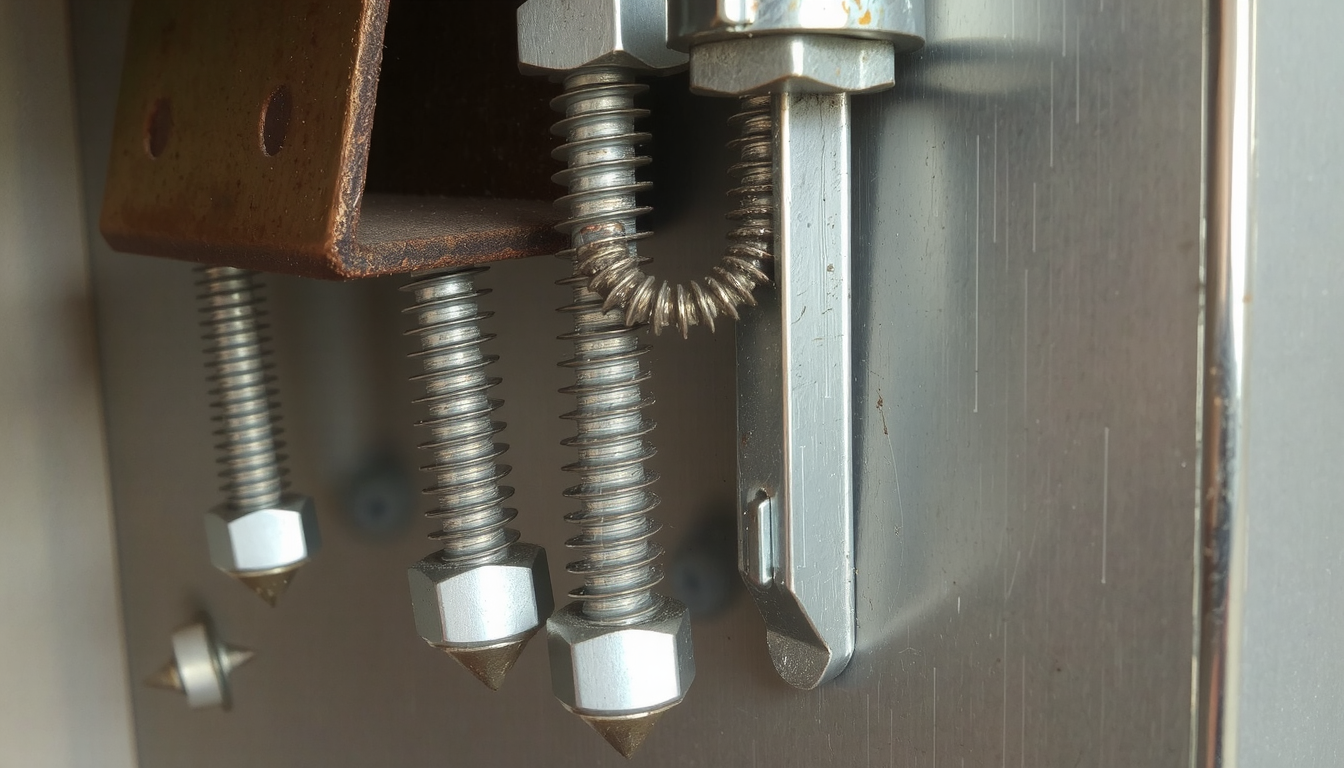
With self-drilling screws, you will not require a pilot hole. The unique tip of the screw will drill the hole for you. Therefore, you save time.
With self-tapping screws, the answer is different. The standard rule is to always drill a pilot hole. The only exception is very thin sheet metal, which is 24-gauge or thinner. Using a pilot hole makes the process of using sheet metal screws a smooth one.
The size of the pilot hole is an important factor. The hole should be a little bit smaller than the screw’s major diameter, which is the widest part of the threads. A good reference for this is a drill bit that matches the screw’s shank, which is the solid part of the screw without threads. This allows space for the threads to sink in firmly.
Step 3: Solidify Your Workpiece
Use clamps to fasten the two material pieces tightly. This is a critical step. The clamps will prevent the parts from separating or moving as you insert the screw. A firmly clamped workpiece will result in a much tighter and stronger joint.
Step 4: Fastening the Screw
This is where your skills count. The screw tip should be positioned in the dent made by your center punch or in the pilot hole.
Start the drill at a low speed and apply firm, consistent downward pressure. This is the crucial factor in making sure the screw starts straight. Starting too fast may cause the screw to wobble and go in at an angle.
As soon as the threads start digging into the metal, you can speed up the drill. Always keep the drill straight, at a 90-degree angle to the surface. If the screw sits at an angle, it becomes weaker and may even create a place for leaks.
Step 5: Perfecting the Tightness
As the head of the screw is about to touch the metal, you should slow down the drill again. This gives you more control over your work.
If your drill has an adjustable clutch, start with a low number and then progressively increase it if need be. Tighten the screw until the head is snug against the surface. If the screw has a rubber washer, it should be slightly compressed but should not bulge out from the side.
Listen to your drill. When the motor changes its sound and struggles, the screw is tight. Stop immediately. Going further will lead to stripping the threads you just made. It could also snap the screw head. As this A Step-by-Step Guide to Screwing Into Sheet Metal warns, overtightening is a common mistake that ruins the connection.
Troubleshooting Common Mistakes When Using Sheet Metal Screws
Even though you may be extra cautious, things may go wrong. What separates a beginner from a pro is the knowledge of fixing these frequent mistakes. Here are solutions to common problems.
Problem: The Screw Head is Stripped (Cam-Out)
This happens when the driver bit slips out of the screw head, damaging it. This is most common when the size of the bit is wrong, the bit is worn out, or you’re not applying enough downward pressure.
A solution is to place a wide rubber band over the head of the screw. Then, press the driver bit into it. The rubber can create the required grip to help back the screw out. If that fails, you may need a special tool called a screw extractor kit.
Problem: The Threads in the Metal are Stripped
This mostly arises when the screw is overtightened. The threads in the metal are stripped away, and the screw just spins without tightening.
A simple tactic is to use a new screw that is the next size larger in diameter. The larger screw will be able to cut new threads and hold securely. For a stronger repair, you might need to install a rivet nut (also known as a nutsert), which creates new, durable threads in the hole.
Problem: The Screw Broke During Installation
A screw can snap if you apply too much force. A pilot hole that is too small or a low-quality screw can also cause this.
If part of the screw’s shank is exposed, you can often use a set of locking pliers to grip it and twist it out. If the screw broke flush with the surface, you will have to drill it out carefully and then make another hole nearby.
Problem: The Metal is Dimpling or “Oil Canning”
This happens when you overtighten a screw in thin sheet metal. The metal around the screw head gets pulled and distorted, creating a dimple.
To fix it, simply back the screw out a little bit until the metal is flat again. To prevent this, always use a drill with a sensitive clutch. Start with the lowest clutch setting that gets the screw snug, and do not go tighter.
Advanced Considerations and Alternative Fastening
Sometimes a project requires more than a standard screw. For heavy-duty jobs or unique designs, you may need to look at other options.
Fastening into Thicker Metal or for High-Strength Needs
Sheet metal screws are great for thin materials, but for thick steel or structural parts that bear a heavy load, you may need a stronger solution. This often means using machine screws in a hole that has been threaded with a tap, or using a nut and bolt.
Some projects demand very specific fasteners. For these, professional solutions like complete sheet metal fabrication or custom fasteners are best. For highly precise parts, special processes like CNC lathe services are used to make components to exact measurements.
Alternatives to Screws for Thin Metal
In very thin metal, it can be hard to get enough threads to hold securely. In these cases, other fasteners might be better. Pop rivets are a fast and easy way to join thin sheets. Rivet nuts (nutserts) are also excellent, as they provide strong, reusable machine threads in a thin material.
A Note on Brand and Quality
Quality matters when it comes to fasteners. Spending a little more on screws from a good brand can save you a lot of frustration. Better screws are less likely to have their heads strip or break during installation.
At Mekalite, we rely on high-quality components for all our projects. We know that the fastener is just as critical as the material it’s holding together.
Frequently Asked Questions (FAQ)
Here are quick answers to some common questions about how to use sheet metal screws.
Can I reuse a sheet metal screw?
It is generally not a good idea, especially when fastening metal to metal. The screw creates a connection by forming threads. When you remove and re-insert it, the connection becomes weaker and is more likely to strip. In metal-to-wood jobs, it is sometimes okay to reuse a screw.
What’s the difference between a wood screw and a sheet metal screw?
Sheet metal screws have finer, sharper threads that cover the entire shank. This design helps them grip thin metal securely. Wood screws have coarser threads and often an unthreaded section of shank, designed to pull two pieces of wood together tightly.
How many threads need to engage in the metal for a strong hold?
For a secure connection, you should aim to have at least three full threads engaged in the base material. In very thin sheet metal, this might not be possible, which is why fasteners like rivet nuts are sometimes a better choice for those applications.
Can I use sheet metal screws in concrete or brick?
No, you should never use sheet metal screws in masonry like concrete or brick. They are not designed for it and will not hold. You must use special concrete screws (like Tapcons) or a system with a plastic anchor and a screw.
What drill speed should I use for sheet metal screws?
Always start slow. A slow speed gives you control and prevents the screw from slipping. For self-drilling screws, you can use a medium to high speed (around 1,500-2,500 RPM) once the tip starts to cut. For driving self-tapping screws into a pilot hole, a slower speed is better to avoid overheating the screw and stripping the threads.
