



Do you need to make a custom bracket for a project? Maybe you want to fix a metal panel on a car or equipment? Learning how to bend sheet metal opens many doors for DIY fans, artists, and builders. It’s a basic skill that seems harder than it really is.
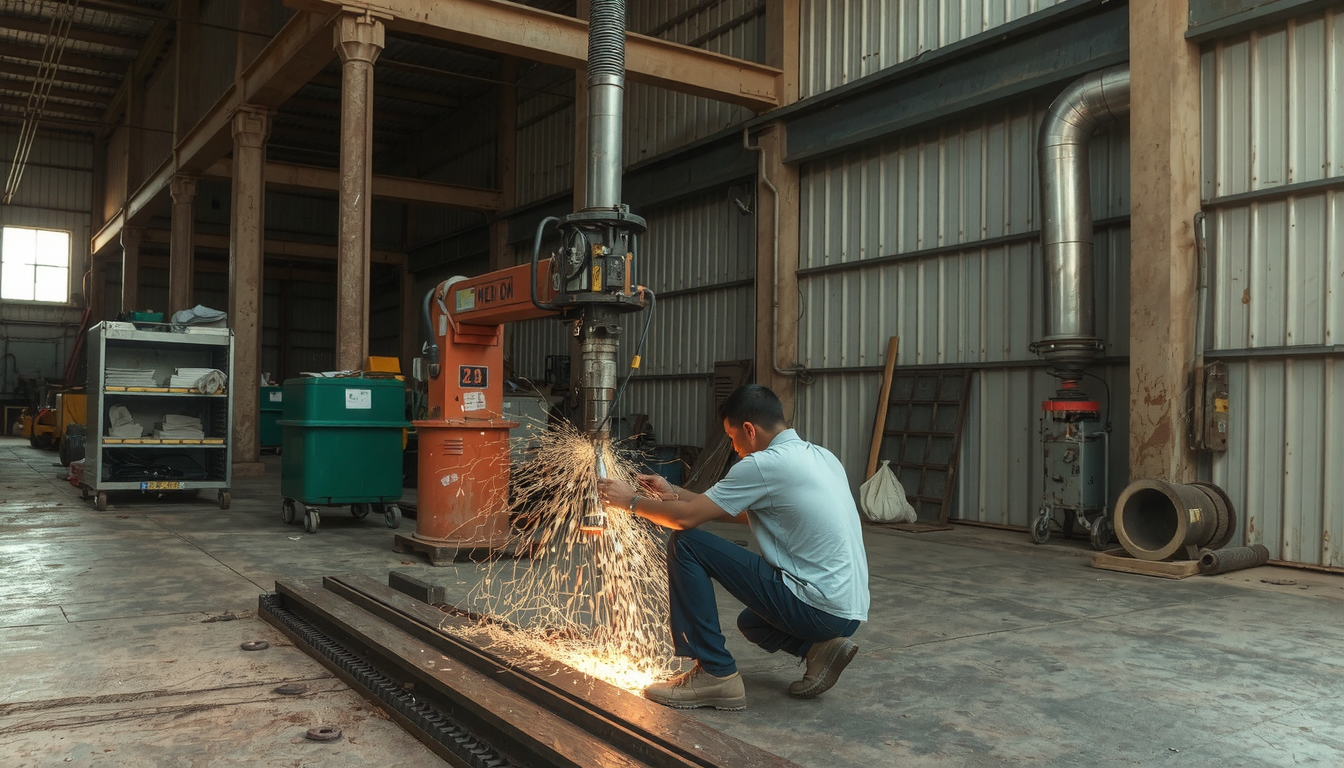
So, how do you bend sheet metal? Simply put, you apply force to metal until it bends past its “elastic limit.” This means you bend it so much that it can’t spring back to its flat shape. The result is a permanent new angle.
This guide covers everything you need to know. We’ll start with the most important part: safety. Then we’ll show simple DIY methods you can use in your garage. We’ll also explain the science behind good bends. Finally, we’ll review pro tools used in shops.
Before You Bend: Key Prep and Safety
Before making your first bend, proper prep is vital. Taking a few minutes to get ready prevents injuries. It also saves material and gives better results. Never rush this step. Safety must always come first when you bend sheet metal.
Safety First: Your Must-Do List
Working with metal means dealing with sharp edges and strong forces. Protect yourself by following this simple list every single time.
- Heavy-duty gloves: Always wear thick leather or cut-resistant Kevlar gloves. A freshly cut or bent piece of metal can be as sharp as a razor.
- Safety glasses or goggles: Metal can break or send small, sharp pieces flying. Protect your eyes at all costs.
- Secure your workpiece: Never hold a small piece of sheet metal by hand while trying to bend it. Always use clamps, a vise, or the machine itself to hold the metal tight.
- Be aware of sharp edges: The edge of your new bend will be sharp. Handle the finished part with care.
Understanding Your Material: Metal Types and Thickness
Not all metals bend the same way. Some are soft and easy to shape. Others are stiff and can crack. The thickness of the metal also matters a lot. In the industry, we measure thickness by “gauge.” A higher gauge number means a thinner, easier-to-bend sheet.
Knowing your material is the first step in learning how to bend sheet metal right. Aluminum is much softer than steel. This makes it easier to bend without cracking. Stainless steel is very strong and needs more force.
Here is a simple table comparing common metals:
| Материал | Ease of Bending | Стоимость | Общее использование |
|---|---|---|---|
| Aluminum (5052) | Легко | Средний | Brackets, enclosures, marine parts |
| Mild Steel (A36) | Средний | Низкий | General building, frames, supports |
| Stainless Steel (304) | Hard | Высокий | Kitchen equipment, medical devices, trim |
| Медь | Very Easy | Высокий | Roofing, plumbing, decorative items |
Marking Your Bend Line
A good bend starts with a good line. A crooked or fuzzy line will result in a crooked bend. You need a mark that is exact, thin, and easy to see.
For this, we use a few trusted tools. A metal scribe creates a very fine, permanent scratch on the surface. If you don’t want to scratch the metal, a fine-point permanent marker works well. To make sure your line is perfectly straight, always use a combination square or steel rule as a guide.
How to Bend Sheet Metal with Basic Tools: 3 Easy DIY Methods
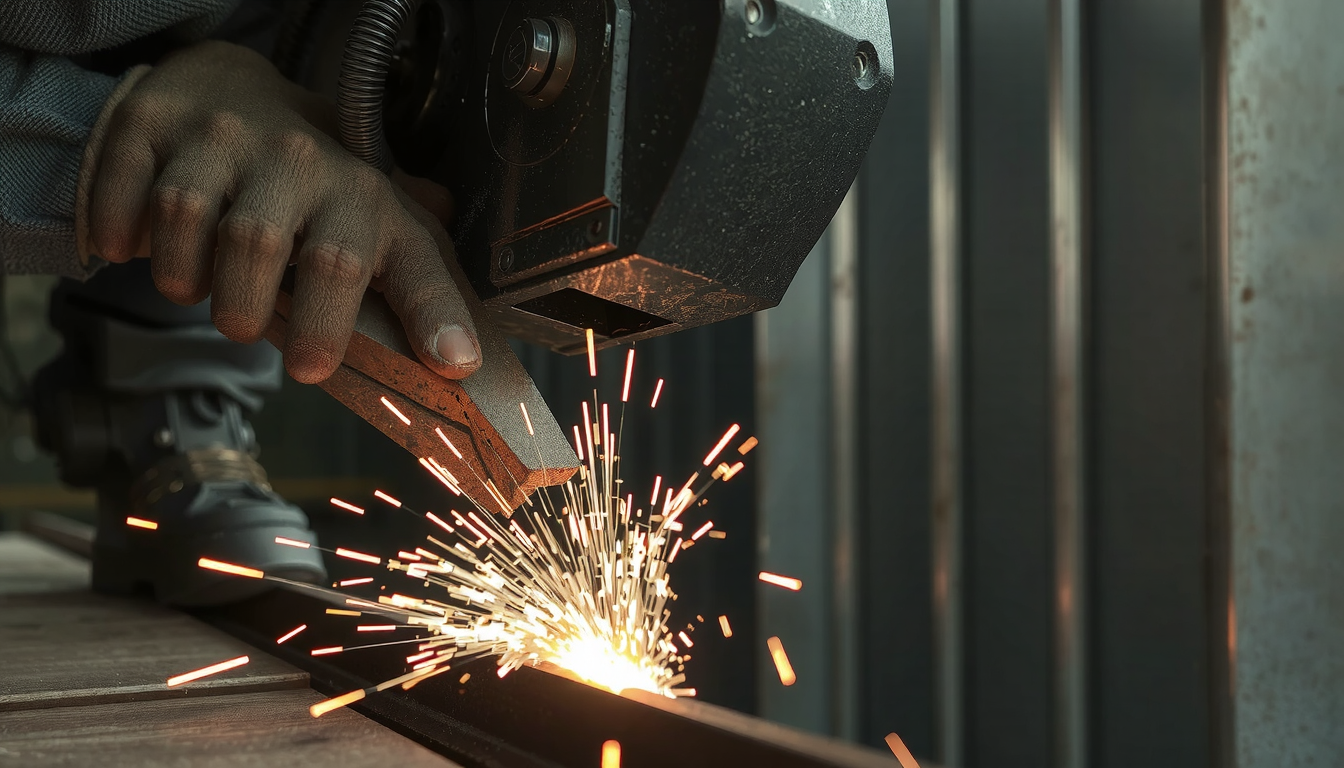
You don’t need expensive machines to start bending metal. Many projects can be done with tools you may already have in your workshop. These methods are perfect for making simple brackets, boxes, and repairs. They show that knowing how to bend sheet metal is a skill anyone can learn.
Method 1: The Vise and Wood Blocks
This is the classic garage method. It works great for making short, simple bends in thin to medium-gauge metal. The wood blocks protect the metal surface from being marked by the steel jaws of the vise.
- Mark Your Line: Use your scribe or marker to draw a clear bend line on your sheet metal.
- Make a Sandwich: Get two pieces of straight, sturdy hardwood. Place your sheet metal between them.
- Clamp Tightly: Place the “sandwich” in your bench vise. Carefully line up your bend line with the top edge of the wood blocks. Clamp it down as tightly as you can. Any movement will ruin the bend.
- Apply Even Pressure: Using your hands, apply slow and steady pressure to the part of the metal sticking out. Bend it to the desired angle. For a sharper corner, you can gently tap along the bend with a rubber mallet. We’ve found that using hardwood blocks prevents damaging the surface of softer metals like aluminum.
Method 2: The Angle Iron and Clamps
For longer bends, a vise might not be big enough. This is where two pieces of angle iron come in handy. This technique, often used on farms and in home workshops, is excellent for longer bends. It works like a simple, homemade metal brake.
- Create the “Brake”: Lay one piece of angle iron on a strong workbench. Place your sheet metal on top. Your bend line should be right along the edge of the angle iron.
- Clamp the Sandwich: Place the second piece of angle iron on top of the sheet metal, creating a sandwich. Be sure your clamps are very tight. Any slipping will ruin the bend. Use several C-clamps or F-clamps to secure the whole assembly to your workbench.
- Lift and Bend: Gently and evenly, lift the overhanging edge of the sheet metal. Use a long piece of wood to apply even pressure if the bend is very long. This method gives you a clean way to bend a metal sheet along its entire length.
Method 3: The Workbench Edge and Mallet
This is the simplest method and works best for very thin gauge metal, like tin or soft aluminum. It’s a quick way to create a simple fold.
First, you need a workbench with a sharp, sturdy, and straight edge. Clamp your sheet metal firmly to the top of the workbench. Your marked bend line should be exactly on the edge.
Next, take a rubber or plastic mallet. Start at one end and gently tap the overhanging metal downward. Work your way along the bend line, tapping evenly. Don’t try to make the full bend in one pass. Go back and forth until you reach your desired angle.
DIY Bending Problem Solving
Even with simple methods, things can go wrong. Here are some common problems and how to fix them.
| Problem | Possible Solution |
|---|---|
| Rounded or soft bend | The bend edge was not sharp enough. Use angle iron or sharpen the bend with a mallet and a block of hardwood. |
| Cracking at the bend | The bend radius was too tight for the material, or you bent parallel to the grain. Try a larger radius or bend across the grain. |
| Bend is not straight | The workpiece slipped during bending. Re-check your clamping and alignment. Make sure clamps are very tight and evenly spaced. |
| Tool marks on the metal | You used a steel hammer or clamped directly with steel jaws. Use a rubber mallet and wood or plastic blocks to protect the surface. |
The Science Behind a Perfect Bend: Key Ideas Explained
Following steps is one thing. Understanding why they work is another. Knowing a little about the science of metal forming will help you solve problems and get much better results. It turns the task of how to bend sheet metal from guesswork into a process you can predict.
Bend Radius: Why You Can’t Get a Perfect Sharp Corner
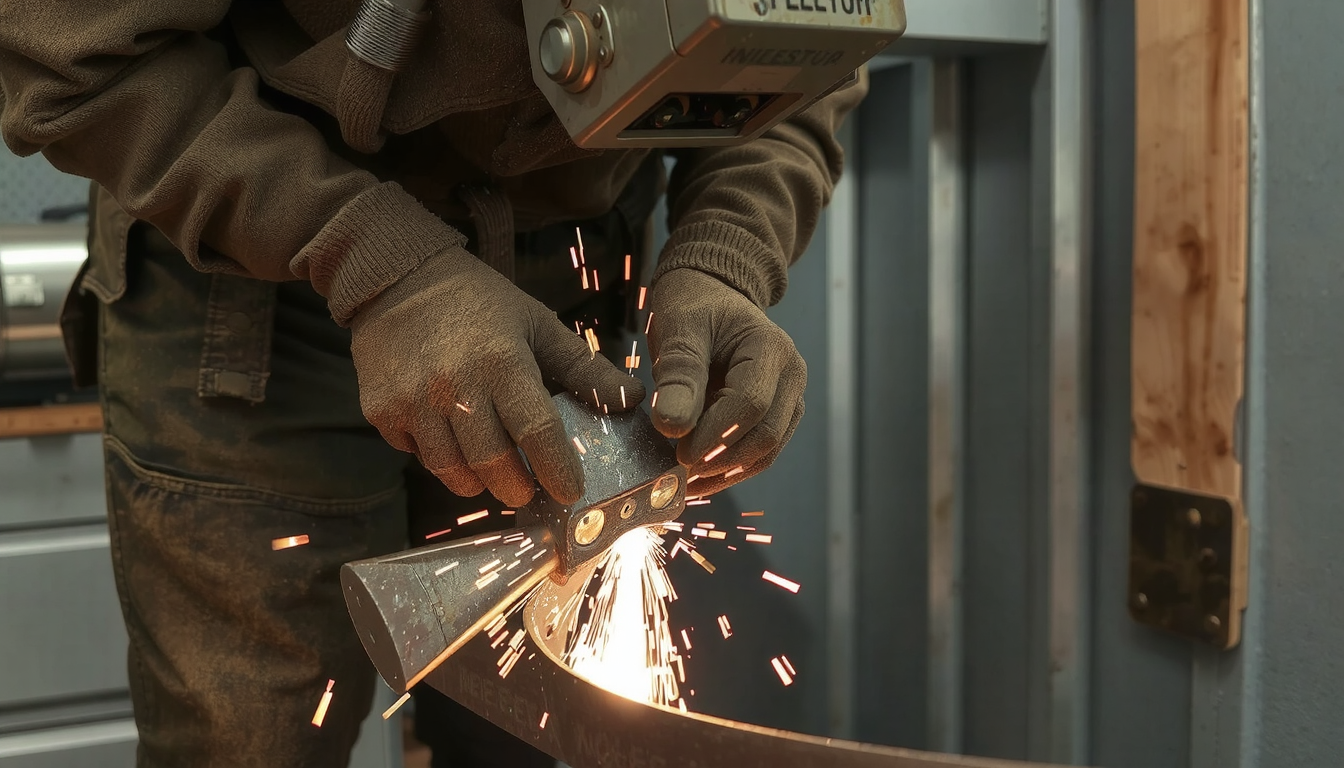
Every time you bend sheet metal, the inside corner is not perfectly sharp. It has a curve, which we call the bend radius. The outer surface of the metal stretches. The inner surface compresses. If you try to make this radius too small, the metal on the outside can stretch too much and crack.
As a rule, the minimum bend radius depends on the material’s thickness and type. For example, for soft aluminum, the minimum radius might be equal to the material’s thickness (a 1T radius). For some high-strength steels, it could be 3 times the thickness (a 3T radius) to avoid any cracking.
Springback: The Metal’s Memory
Have you ever bent a plastic ruler and watched it snap back to straight? Metal does the same thing, just on a smaller scale. This effect is called springback. It’s the tendency of a bent piece to return slightly toward its original shape after the bending force is removed.
The solution is simple: you must over-bend the material. If you need a perfect 90-degree angle, you might have to bend the part to 92 or 93 degrees. The exact amount of over-bending needed depends on the material, its thickness, and the bend radius. This takes some trial and error. But it’s a key step for accurate bending.
Bend Allowance and K-Factor: Planning for Precision
When you design a part that will be bent, you need to know how long the flat piece of metal should be. When you bend metal, the material stretches. This means the final length of your part won’t just be the sum of its flat sections.
Bend allowance и K-factor are terms used to calculate this stretch. They help designers create a perfectly accurate flat pattern. For most DIY work, you don’t need to do these complex math problems. But it’s good to know they exist. The physics of sheet metal bending involves complex stress and strain calculations. But understanding the basics can greatly improve your results.
An Overview of Professional Bending Methods
While DIY methods are great for one-off projects, professional shops use powerful and precise machines for speed and accuracy. Knowing these methods helps you understand what’s possible. It also helps you know when you might need a pro.
Press Brakes: The Industry Standard
The most common machine for bending sheet metal is the press brake. It works by clamping the metal sheet between a matching punch and die. The punch presses the sheet into the die, creating a clean, precise bend.
Press brakes are among the most common types of metal bending equipment in professional shops. They can perform several types of bends, including:
- Air Bending: The punch presses the sheet into the V-die but doesn’t touch the bottom. The final angle is controlled by how deep the punch goes.
- Bottoming: The punch presses the sheet so it fully conforms to the shape of the die, reducing springback.
- Coining: This method uses extreme force to stamp the material, creating a very precise angle with almost no springback.
Folding Machines (Box and Pan Brakes)
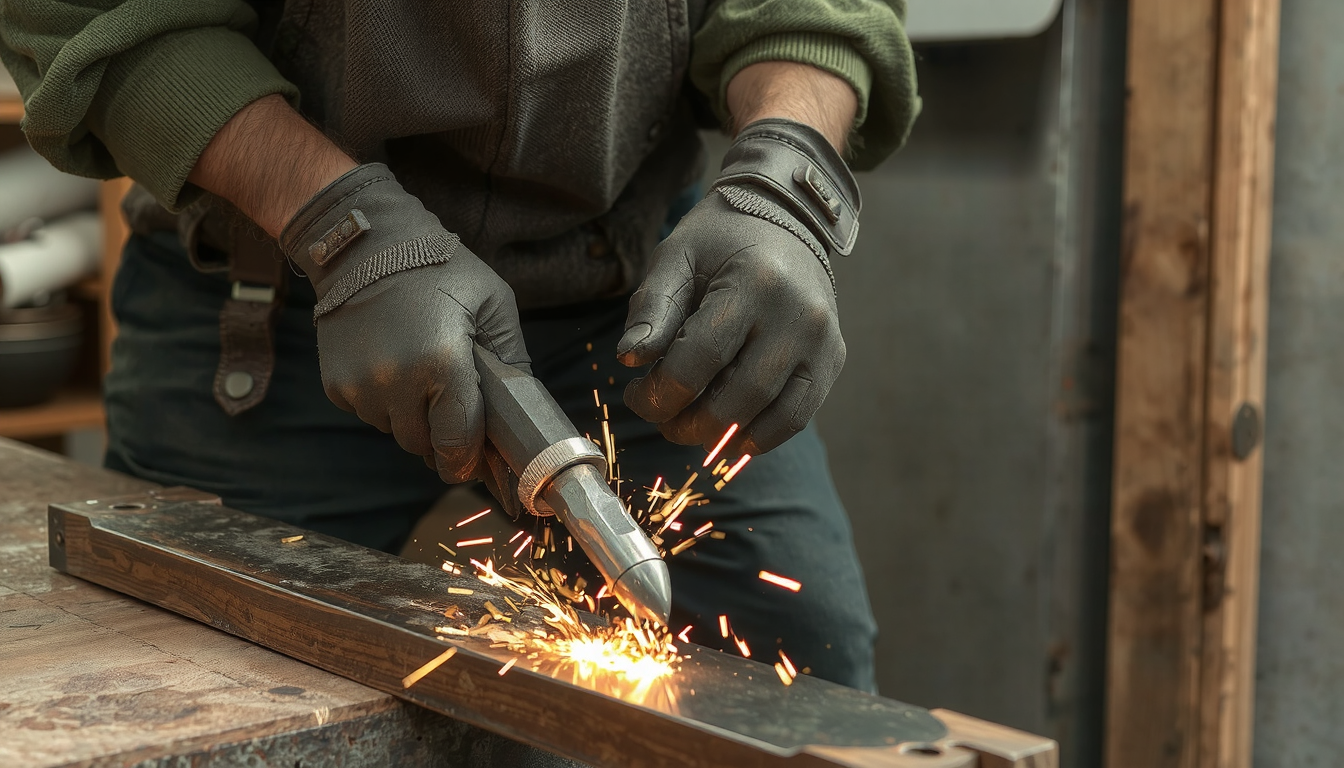
A folding machine, often called a box and pan brake, works differently. Instead of a punch and die, it uses a clamping beam to hold the material down. Then, a folding beam pivots up to bend the overhanging material. These are perfect for making boxes, pans, and other enclosures. You can adjust finger-like blocks on the clamping beam to make bends close to each other.
Rolling
When you need to create large, gradual curves, cylinders, or cones, you don’t use a brake. Instead, you use a set of rollers. A sheet of metal is fed through three or more rollers. These apply pressure to curve the material. This process is used to make things like tanks, pipes, and curved building panels. It’s a key process for shaping metal without sharp angles.
DIY vs. Pro: When to Hire an Expert
You can accomplish a lot with DIY methods. But there are times when it makes more sense to hire a professional. Knowing when to make that call can save you time, money, and frustration.
A Quick Decision Guide
Use this table to help you decide if your project is a good fit for DIY or if it’s time to call in an expert.
| Фактор | Stick with DIY if… | Hire a Pro if… |
|---|---|---|
| Precision/Tolerance | Low precision is acceptable (e.g., a simple garden bracket). | Tight tolerances are required for parts to fit together perfectly. |
| Material Thickness | You’re using thin material (under 16 gauge or 1.5mm). | You need to bend thick plate metal (over 1/8″ or 3mm). |
| Сложность | The part has one or two simple 90-degree bends. | The part has multiple complex bends, tight radii, or unusual angles. |
| Объем | You only need one or two parts. | You need a production run of many identical parts. |
The Benefits of Professional Sheet Metal Work
When you work with a professional shop, you get more than just a bent piece of metal. You get access to expertise, consistency, and advanced machinery. This ensures a perfect result every time.
For projects demanding precision and repeatability, professional производство листового металла is the most reliable path. Experts can advise on the best material and design for your needs. This prevents costly mistakes.
Beyond Bending: Complete Solutions
Sometimes, a project requires more than just bending. A complex assembly might need custom-machined parts to be integrated with the bent parts. In these cases, a full-service shop that offers processes like Услуги токарного станка с ЧПУ can be invaluable. Good providers like Mekalite can handle the entire manufacturing process. They work from design review to the finished, assembled product. This ensures everything fits and works together seamlessly.
Conclusion: Bending Metal with Confidence
Learning how to bend sheet metal is a skill that empowers you to create, repair, and build. It’s a cornerstone of metalworking. We’ve covered the entire journey, from basic safety checks to the high-tech machines that power modern industry.
Remember the key takeaways. Always start with safety. Choose the right method for your project, whether it’s a simple DIY technique or a professional service. Understanding the basics of bend radius and springback will help you improve your results and solve any issues. With a little practice, you’ll be bending sheet metal with confidence and precision.
Frequently Asked Questions (FAQ) about Bending Sheet Metal
What is the easiest type of sheet metal to bend by hand?
Generally, thin-gauge aluminum (like 5052 or 3003) is the easiest to bend. This is due to its high ductility and softness. It can be formed into shapes with less force and a lower risk of cracking. Thin copper sheets are also very malleable and easy to work with by hand.
How do you get a sharp 90-degree bend in sheet metal?
Getting a perfectly sharp, zero-radius corner is physically impossible. Every bend has an internal radius. To get the sharpest possible bend, use a brake with a sharp-nosed punch. For DIY methods, you can sharpen the bend by tapping along the corner with a mallet against a hard edge after the initial bend. Always remember to over-bend slightly to compensate for springback.
Can you bend sheet metal against the grain?
It’s always best to bend perpendicular (across) the metal’s grain direction. Metal is formed in rolling mills. This creates a directional grain structure, similar to wood. Bending parallel to this grain greatly increases the risk of cracking. This is especially true with less ductile materials or when making tight bends.
Do I need to heat sheet metal to bend it?
For most common sheet metal gauges used in DIY and general work (typically under 1/8 inch or 3mm), all bending is done cold. Hot bending is a specialized process reserved for very thick plates or specific alloys that are brittle at room temperature. For almost any project you’ll encounter, cold bending is the standard and correct method.
What is a sheet metal brake?
A sheet metal brake is a machine specifically designed to create clean, straight, and precise bends in sheet metal. They range from small, manual benchtop models, often called box and pan brakes, to massive, computer-controlled (CNC) hydraulic press brakes used in industrial factories. They all work by securely clamping the metal and using a tool to create the bend.
