

Drilling sheet metal can be really hard. You probably would want a drill bit that produces a clean, round hole. But to your fear oftentimes the end result is a jagged, triangular hole. Sometimes the metal, in addition to that, bends or warps. This is the reality of DIY projects.

This user manual will definitely assist you in overcoming these difficulties. We will take you through all necessary steps. You will discover how to select the correct drill bit. You will also gain the knowledge of industry secrets. We want to help you drill sheet metal accurately and with perfect holes always.
Primordial Steps: Safety and Toolkit
First, we need to deal with our workspace and tools. There is no doubt that proper preparation is the key to both safety and success. Spending a few minutes to organize prevents mistakes and accidents.
Mandatory Safety Equipment
Metalworking requires a lot of respect for the material. Sharp parts and shedding bits are real risks. Always wear the correct protective equipment.
- Safety Glasses: Protect your eyes from sharp metal pieces called swarf. This is the No.1 safety equipment.
- Heavy Duty Gloves: Cutting or drilling the sheet has very sharp edges. Always wear thick leather or cut-proof gloves to be safe.
- Decluttered Work Area: Do keep your working area clean and obstacle-free. Always clamp your metal sheet down before working. This will make it stable and prevent it from moving or spinning.
Your Sheet Metal Drilling Toolkit
Getting all your tools ready before could help make the work simple. Use this list to get everything together before you start your training on how to drill sheet metal.
- Power Drill (Corded or Cordless) or a Drill Press
- The Right Drill Bits (we cover this next)
- Center Punch and a Hammer
- Clamps (C-clamps or locking pliers work well)
- Cutting Fluid or a Multi-Purpose Oil
- Scrap Wood (for backing the metal)
- Deburring Tool (or a larger drill bit)
- Measuring Tape and a Permanent Marker
Selecting the Right Drill Bit: A Guide Through
Choosing a drill bit is literally a life-and-death decision. When sheet metal is involved, the choice of drill bit has the strongest impact on the outcome. We will assess the top options available to facilitate your choice.
Why Your Regular Bit is Useless
The standard twist drill bit is for wood or general use. It has a pointed tip and sharp cutting edges. On the thin metal, these can nevertheless hook the material rather than cut it. This kind of action can pull the blade through too fast and make the hole looks like a three-dimensional shape instead of just a round one. If the blade is too aggressive it can also cause the metal to bend or rip.
Drill Bits Designed for Sheet Metal
To get a good hole you need a drill bit made for the task. The type and material of the drill bit are crucial. The first step in learning how to drill sheet metal is to know your bits.
The following is the comparative view of the most popular drill bits used for this particular job.
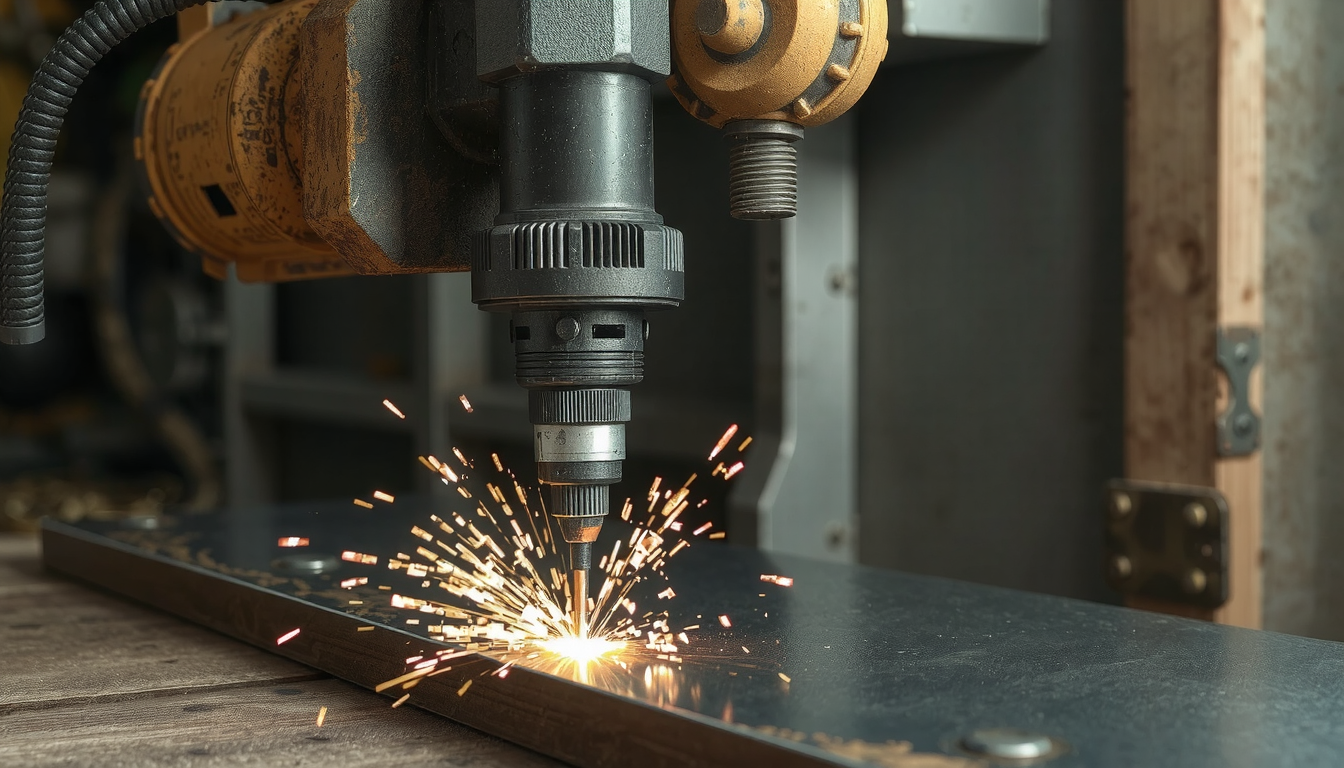
| Drill Bit Type | Лучшее для | Hole Quality | Плюсы | Cons |
|---|---|---|---|---|
| HSS Twist Drill | General, small holes (<1/4″) | Fair (with proper technique) | Cheap, easy to find | Can grab the metal, often makes triangular holes |
| Cobalt/Titanium Coated | Harder metals, long life | Хорошо | Lasts longer, handles heat better | Costs more than standard HSS |
| Step Drill Bit | Clean, burr-free holes of many sizes | Превосходно | Makes perfect round holes, deburrs as it goes | Expensive, limited to thin material |
| Hole Saw | Large diameter holes (>1/2″) | Хорошо | Best way to make very large holes | Needs a pilot bit, can be hard to control with a hand drill |
Our Recommendation for Most Projects
For most DIY and hobby projects, we think a step drill bit is the best buy. It solves the most common problems with drilling sheet metal. A step bit has a small tip and it gets wider in steps.
This construction permits it to yield a perfect hole without snagging the material. Each step also cleans the edge of the hole. As a result, some sharp burrs which might have been generated become shorter. These tools are usually quite expensive, but they are of good quality thus less frustration makes them worth it.
The 7 Steps: Getting it Right When Drilling
Now that you have your tools and the right drill bit. It is time to go down to drilling. Stick to these seven steps and get yourself drilling sheet metal professionally. Seeing this process through will enable you to make clean, precise holes.
Step 1: Mark the Spot
Lightly press measuring tape and mark exactly the center of your hole. A precise mark is the measurement for a correct hole. Act seriously. If you make a wrong mark, the material will be wasted, as a hole will be misplaced.
Step 2: Dimple with Center Punch
This is a play that a lot of people detest telling. The sharp point of the center punch should go right on your mark. A quick but slow-directed tap of the hammer to the punch should suffice. The point makes a small dent called a dimple in the metal. The dimple will guide the drill bit and stop it from “walking” or sliding across the surface.
Step 3: Secure Your Workpiece
Never hold the sheet metal by hands when you drill. The drill bit could grab the metal and cause it to spin like a blade injuring you hard. The best way to achieve this is with the “wood sandwich” method. Take your sheet metal and lay it between two pieces of scrap wood. Next step, use clamps to keep the whole sandwich tight on your workbench. This way the metal is fully supported and will not bend or rotate.
Step 4: Drill a Pilot Hole (For Larger Holes)
If your final hole is larger than 1/4 inch (about 6mm), you should start with a smaller pilot hole. A pilot hole of about 1/8 inch (3mm) creates a path for the larger bit to follow. This reduces the strain on the larger bit. It helps make sure the final hole is centered and round. If you are using a step bit, you can often skip this step.
Step 5: Emulsion!
Heat is the enemy of your drill bit. Too much heat will make the bit dull very quickly. To stop this, always use lubrication. A few drops of cutting fluid or even a multi-purpose oil will do the job. The fluid reduces heat from friction and helps the bit cut more smoothly. This gives you a cleaner hole and a longer-lasting bit.
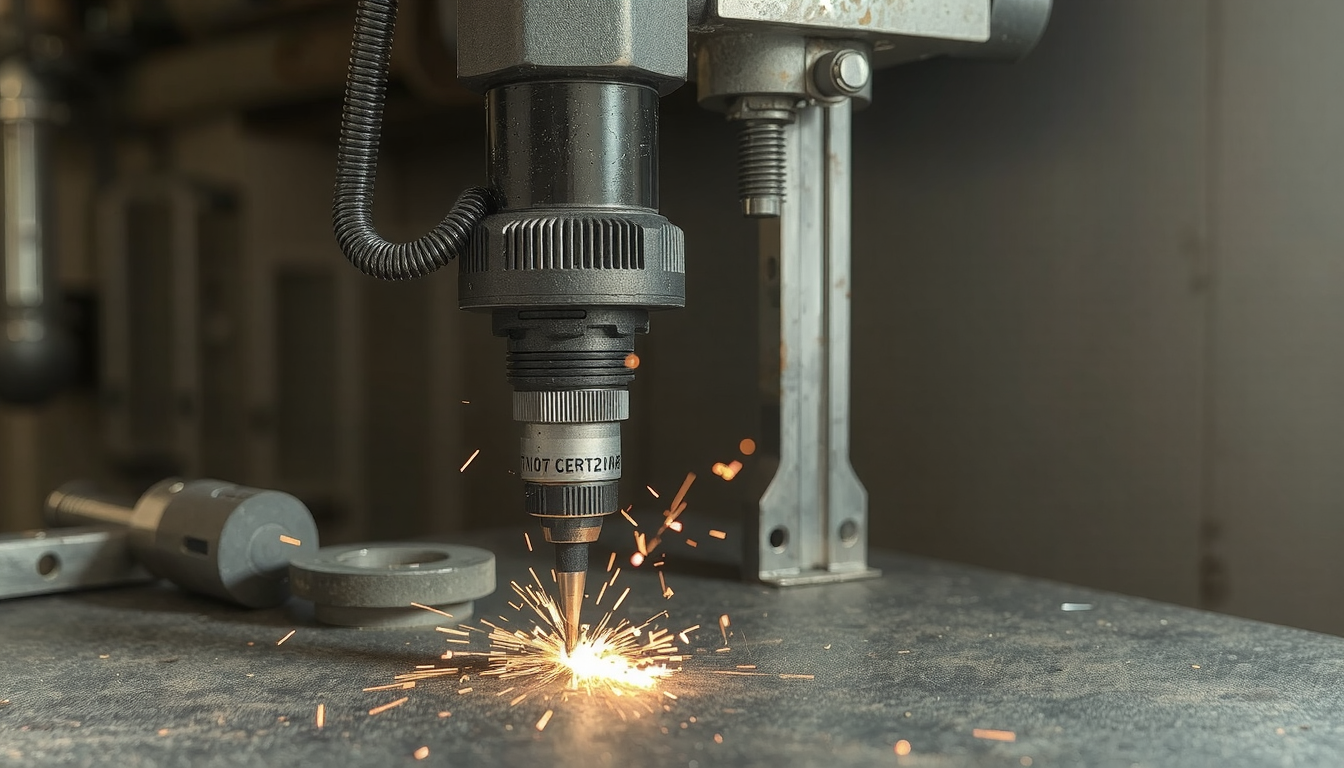
Step 6: Drill Slowly and Steadily
People often misconceive that fast is the best. When it is metal, the reverse is accurate. Set your drill to the lowest speed and let it work. High speeds usually generate excess heat thus damaging both the bit and the workpiece. According to timeless advice by pros in the trade in A Step-by-Step Guide to Drilling Holes in Metal, lower RPMs are best for metal.
Keep applying firm and steady pressure and the bit will take care of the work. A quality cut means you will produce long, continuous metal shavings. If you notice smoke or metal dust, then your speed is too fast or you are pushing too hard.
Step 7: Reduce Pressure When Breaking Through
When you feel the drill bit is about to penetrate the other side of the metal, lessen your pressure. This is the situation where a standard bit has the highest tendency to catch on the thin edge of the hole. By easing your pressure, you allow the bit to finish the cut nicely without tearing the metal. This minor change in technique results in a significant difference in hole quality.
Mastering the Process in Special Situations
From time to time you will meet challenges that need a different approach. Here are a few expert tricks for handling difficult jobs and mastering how to drill sheet metal under any assignment.
Replacing a Hole Saw with a Large Hole
What if you want a router hole, but you currently only have a twist drill? There is a vintage workshop trick for this. Most old-timers can attest, as personal experience validates, it works perfectly. After drilling your pilot hole, place a piece of a folded denim cloth over the hole. Then, drill through the cloth with your final-sized drill bit. The cloth cushions the bit and stops the sharp edges from digging in too fast. This technique is detailed by experienced makers who explain how to get a Drilling a round hole in sheet metal using this method. This tip is also endorsed by other resources that examine How to drill large holes in sheet metal.
Drilling Fragile, Thin Metal
For very flimsy or thin metal, the support is everything. The previously mentioned “wood sandwich” action is crucial. We practically insist you use a step drill bit for this task. Its cone shape is less likely to bend the thin material. This gives a much cleaner result than a twist drill.
Drilling through Hardened or Stainless Steel
Stainless steel and other hardened metals will require more rigorous conditions to drill holes in them. For those materials, you must use a cobalt drill bit of top quality. Make the slowest possible high-tech drill bit run and use a lot of cutting fluid. You might need to apply more force down than with mild steel. Patience is key. Drilling hardened metal is time-consuming.
Solving Common Drilling Mistakes
Even excellent preparation may not be able to stop everything from going wrong. Here is a short guide to fixing the most common mistakes that may come across you when you are learning to drill sheet metal.
Problem: The Hole Has a Fuzzy or Triangular Shape.
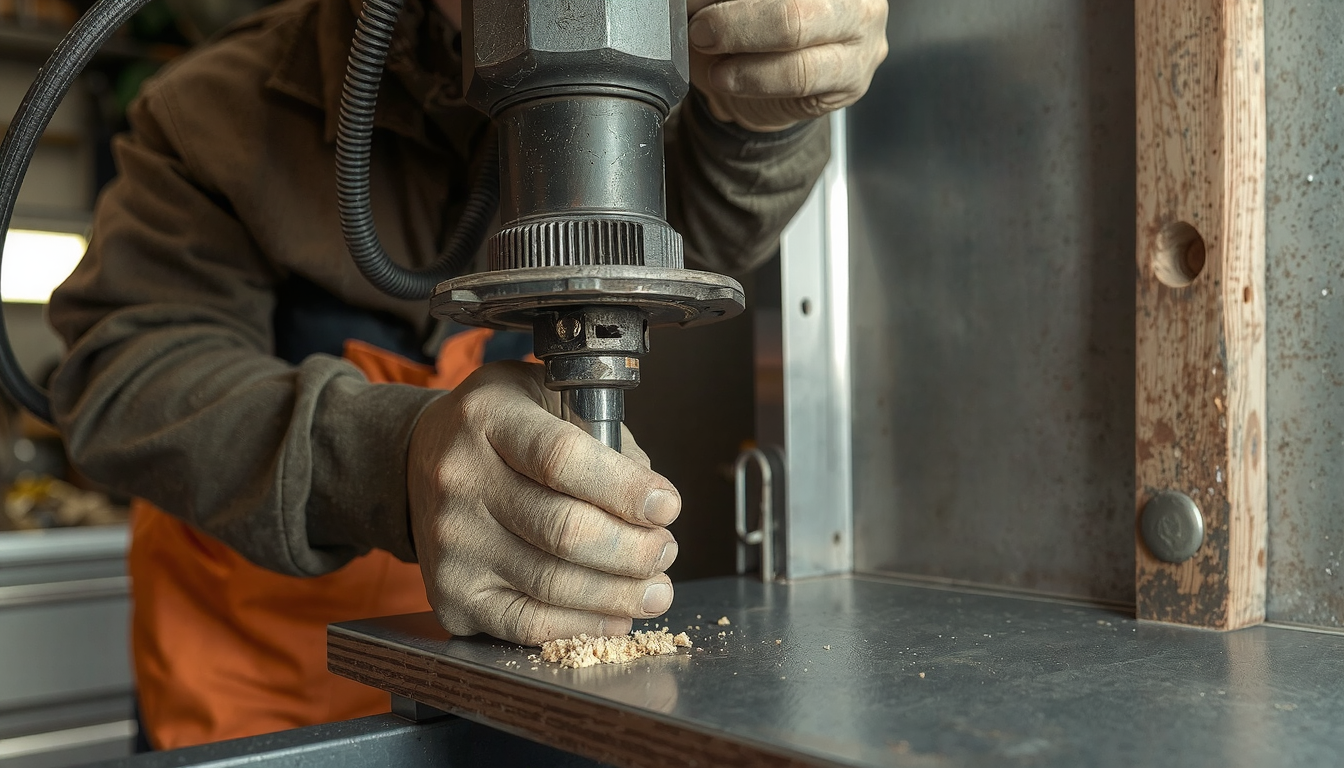
- Cause: The flutes (cutting edges) of your twist drill are grabbing the thin material as the bit breaks through the other side.
- Solution: The best fix is to use a step drill bit. If you only have a twist drill, use the “cloth trick” mentioned earlier. Or make sure the sheet is clamped very tightly in a “wood sandwich.”
Problem: The Drill Bit Wanders at the Start.
- Cause: The drill bit has no guide to keep it in place. The smooth, hard surface of the metal lets the bit slide around.
- Solution: Always use a center punch. Tapping a small dimple into the metal gives the drill bit a perfect starting point. This guarantees your hole will be exactly where you marked it.
Problem: The Sheet Metal Bends or Deforms.
- Cause: The workpiece is not supported well enough. The downward pressure of the drill is bending the thin metal.
- Solution: Use the “wood sandwich” method. Clamping the sheet metal securely between two flat pieces of scrap wood provides total support. This stops any bending or deforming.
Problem: The Drill Bit Gets Hot or Dulls Quickly.
- Cause: There are two likely causes. Your drill speed is too high, or you are not using any lubrication. Heat is the number one killer of drill bits.
- Solution: Lower your drill speed to the slowest setting. Always apply a few drops of cutting fluid or oil right onto the spot you are drilling. This reduces heat and friction.
The Final Touches & Knowing When to Call a Pro
You have drilled a perfect hole. Now there is just one last step to a professional finish. It is also important to know when a project is better left to the experts.
Deburring for a Clean, Safe Edge
After drilling, the edge of the hole will have a sharp, raised burr. This burr is dangerous and looks unprofessional. You need to remove it. You can use a special deburring tool. This is fast and effective. You can also use a countersink bit or even a larger drill bit. Just twist it a few times in the hole by hand to scrape the burr away.
For Complex or High-Volume Projects
A DIY setup is great for many tasks. However, for projects that need extreme precision, many holes, or complex shapes, it may not be enough. In these cases, using professional производство листового металла services ensures perfect results every time. For components that require detailed turning and boring, advanced processes like Услуги токарного станка с ЧПУ are often the best choice. To see a full range of industrial capabilities, you can visit Mekalite.
Conclusion: Drill with Confidence
You now have the knowledge to master how to drill sheet metal. The process is not difficult when you understand the core principles. Remember to put safety first.
By choosing the right bit, securing your work, using a slow speed with lubrication, and applying the proper technique, you can avoid frustration. You are ready to tackle your next project with confidence and achieve clean, professional results.
Frequently Asked Questions (FAQ)
What is the best drill speed for sheet metal?
Slower is almost always better. For most DIY projects, use the lowest speed setting on your drill. For steel, a speed under 750 RPM is a good target. For softer metals like aluminum, you can go a little faster. But slow and steady is still the best approach.
Can I drill sheet metal without a center punch?
We strongly advise against it. Without a center punch, your drill bit is very likely to “walk” across the surface. This will scratch your workpiece and result in an off-center hole. Using a center punch is a small, quick step that guarantees accuracy.
Do I really need cutting fluid?
Yes. Cutting fluid or oil is essential for drilling metal. It reduces heat buildup. This keeps your drill bit sharp for much longer. It also helps produce a cleaner, smoother hole by lubricating the cut and clearing away metal chips.
How do you stop sheet metal from spinning when drilling?
Never hold the sheet metal by hand. The only safe way to stop it from spinning is to clamp it securely. The “wood sandwich” technique—clamping the sheet between two pieces of scrap wood—is the safest and most effective method to prevent movement.
Can you use a wood drill bit on thin metal?
You should not. Wood bits, especially brad-point bits with a sharp center spur, are designed for wood fibers. They will not perform well on metal and can be damaged. A standard High-Speed Steel (HSS) metal bit is the minimum requirement. But a bit designed for metal, like a step bit, is far better.
